A live band can change the temperature of a room in seconds. The opening notes land, people recognize the song, and suddenly guests who were standing near the bar are heading toward the dance floor.
That energy is great. It also makes the band’s breaks more noticeable if they aren’t planned carefully.
Every live band needs downtime during a performance. Musicians need to rest, reset, and stay sharp for the next set. The goal isn’t to pretend breaks don’t exist. It’s to make them feel like a natural part of the event rather than a hard stop.
For weddings, corporate celebrations, fundraisers, and private parties, a little coordination can keep guests connected while the band steps offstage. Here’s how to plan it.
Start by treating the full event as one timeline
The band’s performance is only one part of the evening. Dinner, speeches, awards, dessert, introductions, vendor changes, and guest arrival all affect how the music should be scheduled.
Before finalizing performance times, map out the complete event timeline with the venue and other vendors. Then identify the moments when a band break makes the most sense.
For example, a break may fit naturally:
- After a high-energy dance set and before dinner service.
- During a planned meal course or buffet opening.
- While a host presents awards or welcomes guests.
- Before dessert, a special announcement, or a formal activity.
- Near the end of the evening, when guests are already transitioning toward departure.
The exact timing depends on the event, venue, band, and schedule. Ask the band how their sets and breaks are structured, then compare that information with the rest of your timeline. A break that works beautifully during dinner may feel awkward in the middle of a packed dance-floor stretch.
Have a plan for the music between sets
Silence is what makes a break feel like a break. A prepared playlist can keep the room’s atmosphere moving without competing with the live performance.
The best background music usually supports the event rather than trying to recreate the band’s entire show. Choose familiar, upbeat songs at a comfortable volume. You want guests to keep talking, grabbing a drink, and staying in the room—not wonder whether the next performance has already started.
Build the playlist around the event’s mood
A wedding reception might call for a mix of recognizable dance, pop, rock, and throwback songs. A company celebration may benefit from music that feels lively but still allows conversation. A fundraiser or community event may need a broader mix that works for guests with different musical preferences.
Keep the transitions simple and avoid abrupt changes in volume. If you’re using a venue playlist, a DJ, or another music provider, confirm who controls it and who is responsible for starting the next track.
Don’t assume the band provides every between-set service. Some bands may offer guidance, while others may expect the planner, venue, DJ, or designated host to manage the music. Confirm the arrangement directly instead of building your timeline around an assumption.
Use announcements with purpose
Announcements can help guests understand what’s happening next, especially at a wedding or corporate event. They can also make a band break feel intentional.
A host, planner, venue representative, or emcee might use the transition to share useful information such as:
- When dinner, dessert, or a bar service change begins.
- Where guests should go for an activity or group photo.
- When the next band set is expected to begin.
- Where to find transportation, restrooms, coat check, or event materials.
- When a company award, toast, or closing message will take place.
Keep announcements brief and easy to hear. A long speech can drain the room just as quickly as an unplanned pause. If the event includes several formal remarks, group them into one well-timed section instead of scattering them across every break.
Coordinate with the venue and other vendors
Band breaks affect more than the musicians. They can also be the easiest time for the venue team to move through the room, clear plates, refresh food stations, or handle a quick production adjustment.
Share the entertainment timeline with the venue, caterer, planner, photographer, videographer, and any host or emcee involved in the event. Everyone should know which moments are flexible and which are fixed.
That coordination matters during a wedding, where a photographer may need guests gathered for a group photo, or during a corporate event, where awards and presentations need to begin at a specific time. It also helps prevent a common problem: one vendor assuming the band is about to start while another is still making an announcement.
Ask the venue about practical requirements ahead of time, including access, staging, sound policies, and any restrictions that could affect setup or performance timing. Requirements vary from room to room, so the venue and entertainment provider should confirm the details together.
Protect the dance floor without forcing it
A band break doesn’t automatically mean everyone leaves the dance floor. Some guests will grab a drink or take a breather, while others will keep moving if the background music supports the moment.
The key is to avoid making guests feel as if they need to choose between dancing and waiting. Keep the playlist at a reasonable level, leave enough open space for people to move, and make sure the next live set starts on time whenever possible.
It also helps to schedule formal activities before the room reaches peak dance-floor energy. Asking guests to stop dancing for a long presentation can be harder than using an earlier transition. If a speech must happen during the reception, keep it focused and give guests a clear signal about what comes next.
There’s no need to manufacture nonstop action. A well-timed pause can give people a chance to talk, eat, and recharge. The goal is a comfortable rhythm, not an event that feels like it’s afraid of a quiet minute.

Ask the band these break-planning questions
When you’re evaluating live entertainment, ask practical questions about the spaces between sets—not just the songs during them.
- How long are your typical sets and breaks?
- How many performance blocks usually work best for this type of event?
- Can the schedule include dinner, speeches, awards, or other planned activities?
- Who is responsible for background music during breaks?
- Who will communicate timing changes during the event?
- How much flexibility is possible if dinner or another activity runs late?
- What does the venue need to know about access, sound, and setup?
Exact answers depend on the band, venue, event format, and agreement. Getting them in writing or including them in the shared event timeline can prevent confusion later.
Think of the night as a series of chapters
The strongest event timelines usually have a sense of progression. Guests arrive and settle in. The room warms up. The live music becomes a central part of the night. There may be a meal, toast, presentation, or activity. Then the music returns with the room ready for another lift.
That structure gives each band set a job. An early set might help guests relax and start moving. A later set can feel more celebratory once formal activities are finished. A final set may provide the big communal sing-along moment people remember on the way home.
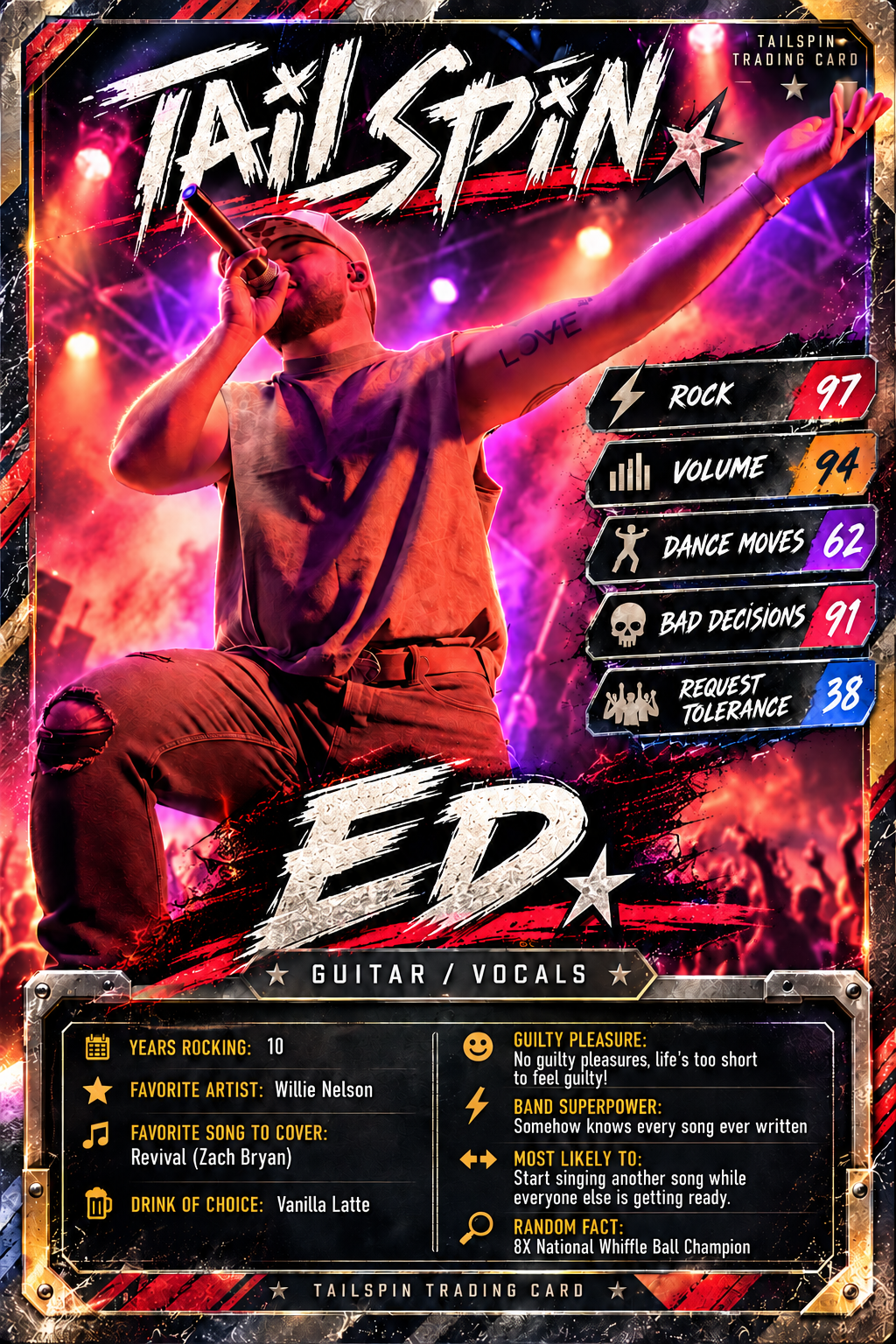
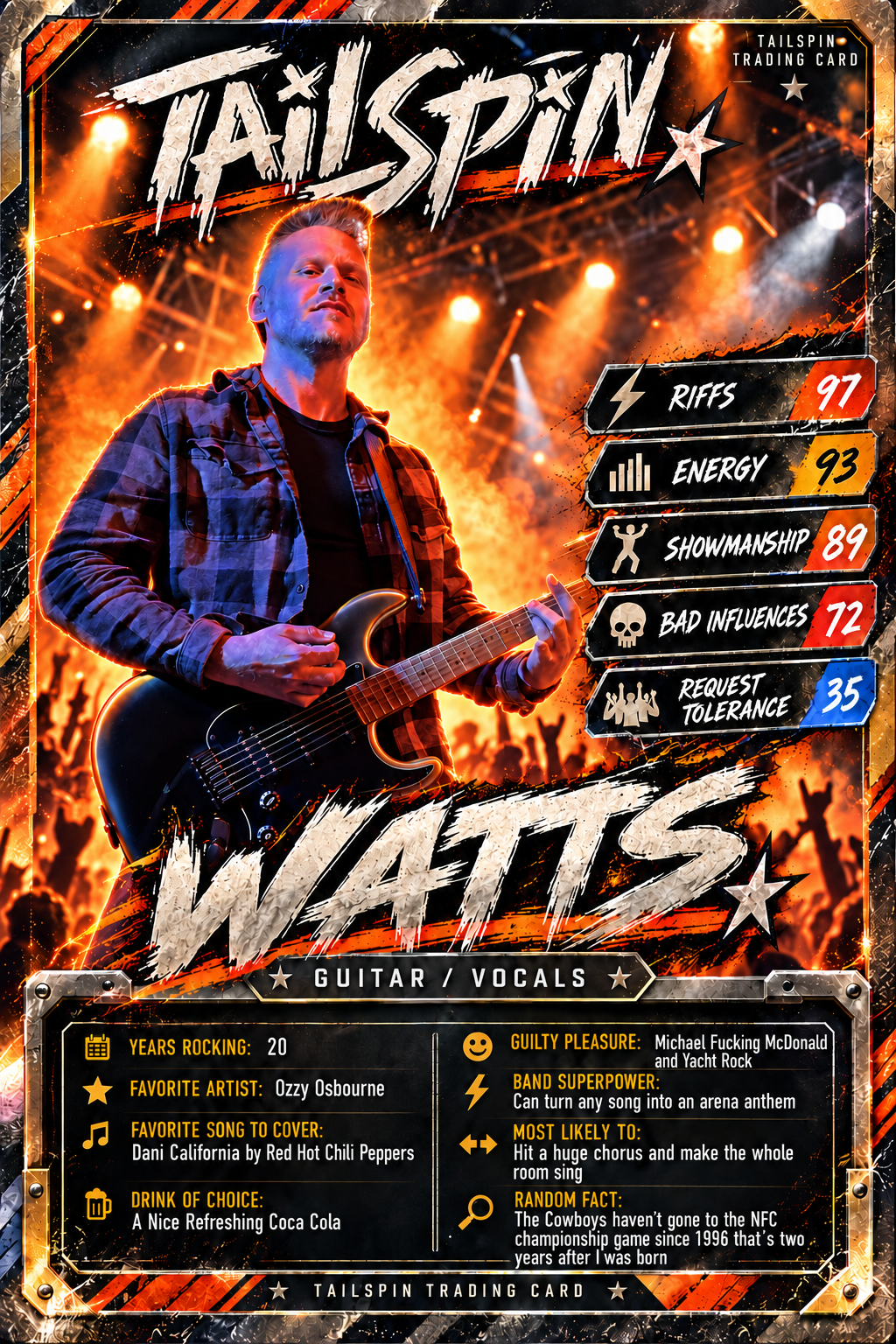
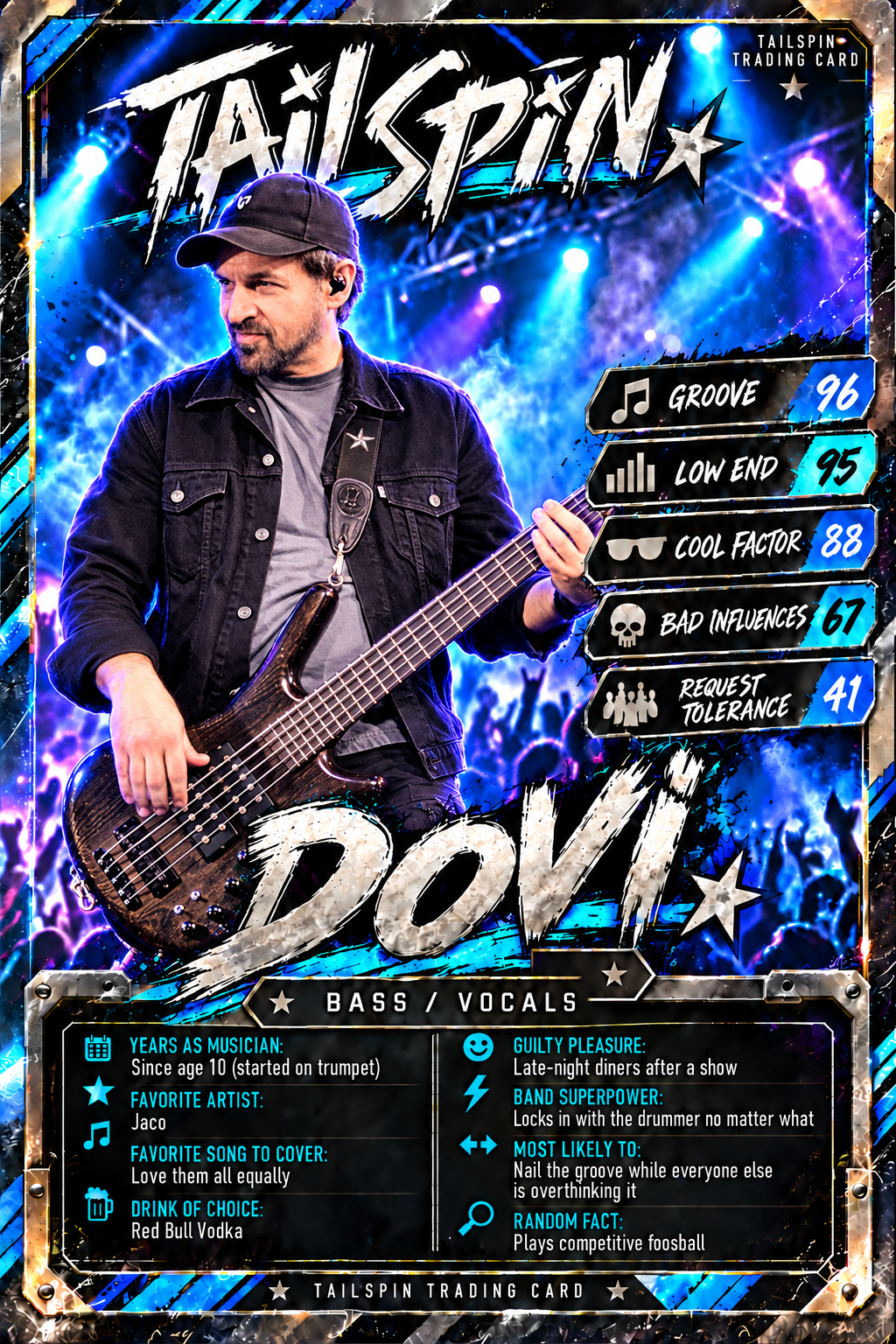
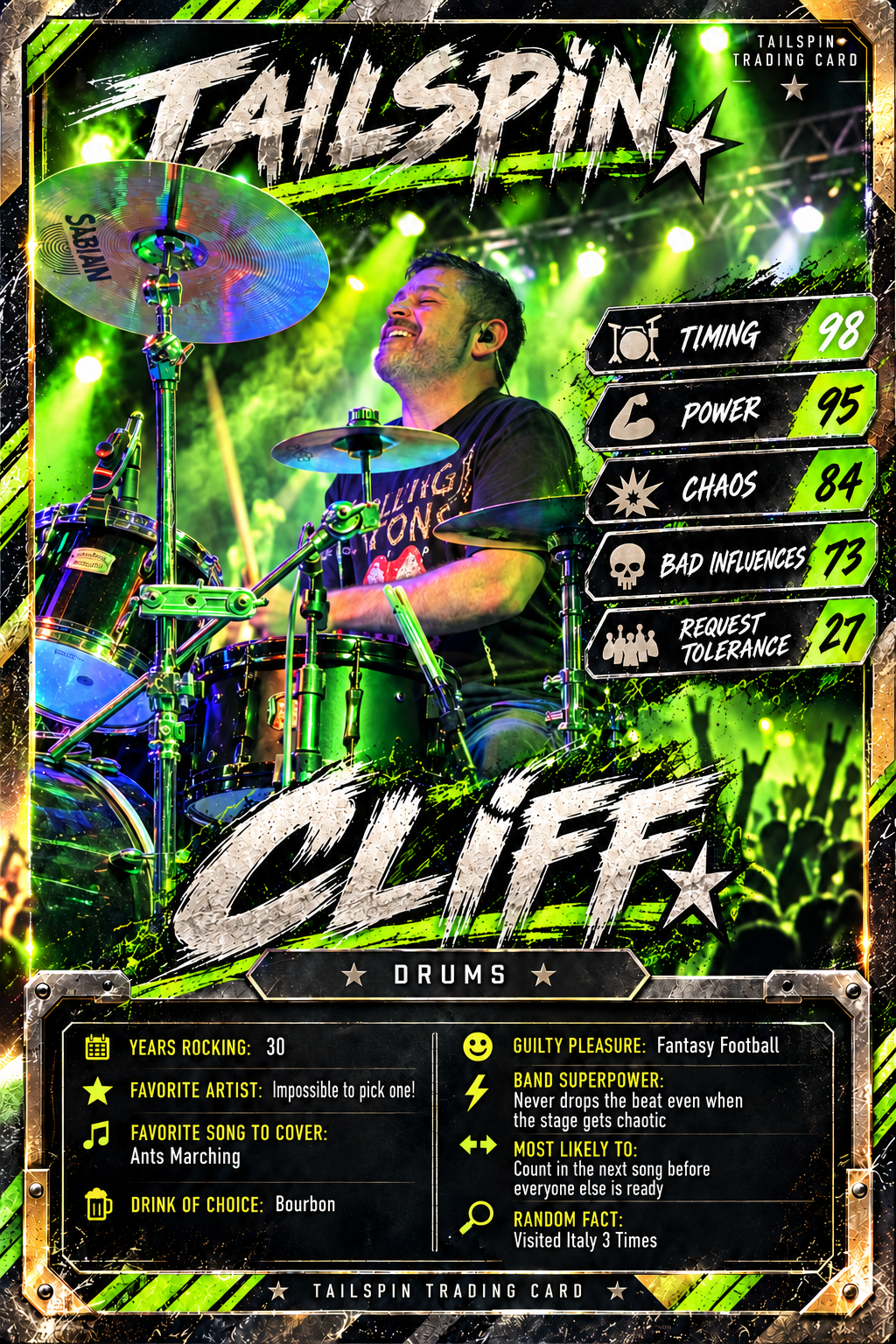
Tailspin brings hits from the 2000s, 2010s, and today to weddings, corporate parties, bars, nightclubs, and special events throughout the Philadelphia area, the Jersey Shore, and the Delaware Beaches. With creative mashups, smooth transitions, and concert-style production, the live sets are designed to feel connected rather than like a stack of unrelated songs.
That live energy works best when the rest of the event has room to support it. Plan the breaks, communicate with the team, and let the music have its moments without asking it to carry every minute of the night.
Make the handoff feel intentional
Guests don’t need a complicated production plan. They need to know what’s happening and feel that the event is still moving forward.
Choose the music between sets, assign responsibility for announcements, coordinate the timeline with the venue, and confirm the band’s expectations before the event. Those small decisions can turn a quiet pause into a useful reset—and make it easier for everyone to enjoy the next killer set.
Planning a wedding, corporate celebration, or private event? Tell Tailspin about your event and entertainment needs, and let’s talk through the kind of night you’re putting together.