There’s a specific moment at a live show when the audience stops being an audience. The opening notes land, someone recognizes the song, and suddenly a whole room is singing before the first verse is over.
That kind of response isn’t accidental. The best live sing-alongs usually combine familiar music with smart arranging, clear musical cues, and enough energy to make joining in feel natural. You don’t need to be the person who knows every lyric. You just need to recognize the hook and feel the room leaning into it.
That’s a big part of why music from the 2000s, 2010s, and today works so well in live settings. These songs are still close enough to everyday listening that guests can connect quickly, whether they’re at a Philadelphia bar, a Jersey Shore night out, a wedding, or a special event.
Familiarity gets people started
A sing-along begins with recognition. If guests know the melody, chorus, or even a distinctive opening sound, they can participate without needing an invitation.
That doesn’t mean every song has to be a massive hit. A song can work because it reminds people of a particular era, a road trip, a favorite party, or the music they played with friends. The strongest live sets often balance songs that nearly everyone knows with a few choices that give different parts of the crowd their own moment.
For an event planner or venue manager, this is one reason it helps to think about the audience before choosing entertainment. Consider the guests’ age range, the setting, and the kind of night you want to create. A college-age nightclub crowd, a mixed-generation wedding, and a company celebration may all enjoy energetic music, but they may connect with different eras and styles.
The chorus has to be easy to enter
Not every memorable song makes a great group sing-along. The most effective choices tend to have a chorus that arrives clearly, repeats naturally, and gives people a simple phrase or melody to grab onto.
There’s a reason audiences often sing the biggest hook rather than every word of every verse. A good chorus creates an obvious entry point. Once a few people start, everyone else can follow without feeling like they’re auditioning for anything.
Live performers can make that entry point even stronger by shaping the arrangement around it. They might leave a little space before the chorus, build intensity through the verse, or let the crowd carry part of a familiar line. Those choices give guests a musical signal: this is your part.
Energy comes from the arrangement, not just the volume
A loud room isn’t automatically an exciting room. Sing-along energy comes from contrast, timing, and momentum.
A band might begin a song with a leaner texture, then open it up when the chorus arrives. It might stretch a final hook, use a rhythmic stop, or shift the dynamics so the audience can hear itself singing. These moments create shape. Without them, one song can blur into the next, no matter how recognizable the material is.
That’s also where creative mashups and smooth transitions can help. When two familiar songs share a compatible rhythm, mood, or hook, moving between them can keep people engaged without interrupting the feeling of the set. The goal isn’t to cram in as many songs as possible. It’s to make the next moment feel like a natural reason to keep listening.
Song order changes the way a crowd responds
A strong sing-along set is more than a list of popular titles. Sequence matters.
- Open with a clear invitation. An early song with an instantly recognizable hook can help guests settle into the experience.
- Build gradually. Give the room time to warm up instead of spending every peak moment in the first few minutes.
- Vary the feel. Switching between tempos and styles keeps the set from becoming tiring while preserving momentum.
- Use familiar songs as anchors. A well-known chorus can reconnect the room after a less familiar selection.
- Save room for a big shared moment. The final stretch should feel intentional rather than like the band simply ran out of songs.
This applies whether you’re watching a band at a nightclub or planning entertainment for an event. A room doesn’t need nonstop speed to stay engaged. It needs movement, contrast, and a sense that each song has a reason to be there.
Stage presence makes participation feel comfortable
People are more likely to sing and dance when the performers make the room feel welcoming. That can happen through confident playing, visible enjoyment, simple crowd cues, and an arrangement that leaves space for audience participation.
Good stage presence doesn’t require constant talking or forced interaction. Sometimes it’s as simple as a band locking into a groove, turning toward the crowd at the right moment, or allowing a chorus to breathe instead of rushing through it.
For guests, that creates permission to participate. For planners and venue teams, it’s worth evaluating alongside musical ability. Watch how a band handles transitions, quiet moments, and audience energy—not just how impressive the biggest section of a performance video sounds.

Production helps the song reach the whole room
Even a great arrangement needs a setting that supports it. Sound should be clear enough for guests to recognize the vocals and musical hooks without making conversation or participation uncomfortable. Lighting can reinforce the shape of a performance by drawing attention to entrances, transitions, and big chorus moments.
The right production depends on the venue and event. A compact bar, a wedding space, and a larger shore venue may have very different layouts and technical requirements. If you’re booking a band, ask practical questions about the room, access, sound limits, and the venue’s expectations before the event. The band and venue can then confirm what will work for that specific setup.
Why the 2000s and 2010s are strong sing-along territory
Music from the 2000s and 2010s sits in a useful middle ground. Many guests remember hearing it in high school, college, early adulthood, or during a period when they were first building their own playlists. Younger guests may know the same songs through streaming, social media, family members, or current reinterpretations.
That gives these eras unusual range at mixed-audience events. A familiar pop chorus can connect people who don’t share the same favorite artist. A rock-leaning anthem can bring a different group into the moment. Current songs can add freshness, while older favorites provide the reliable hooks that help a room sing together.
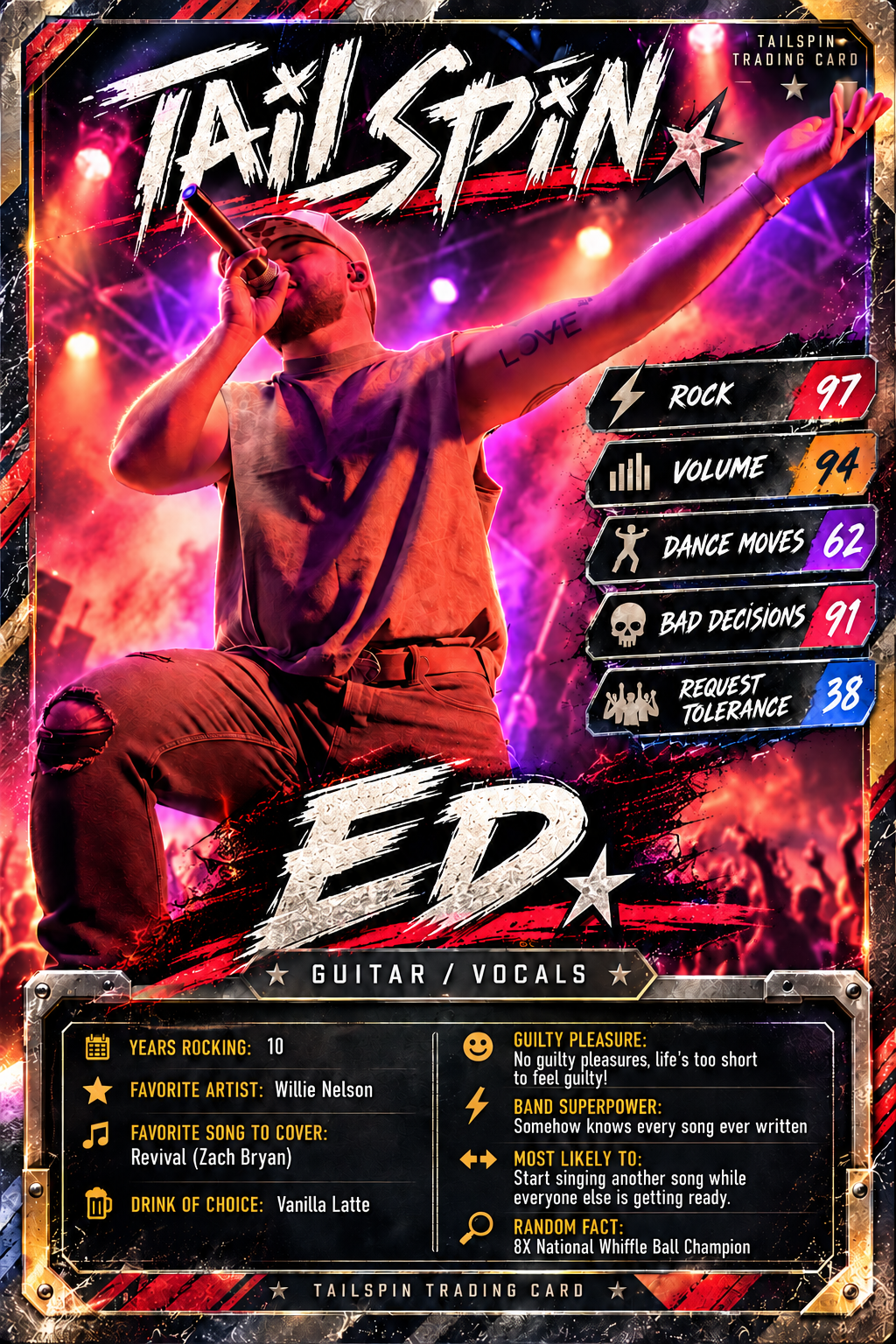
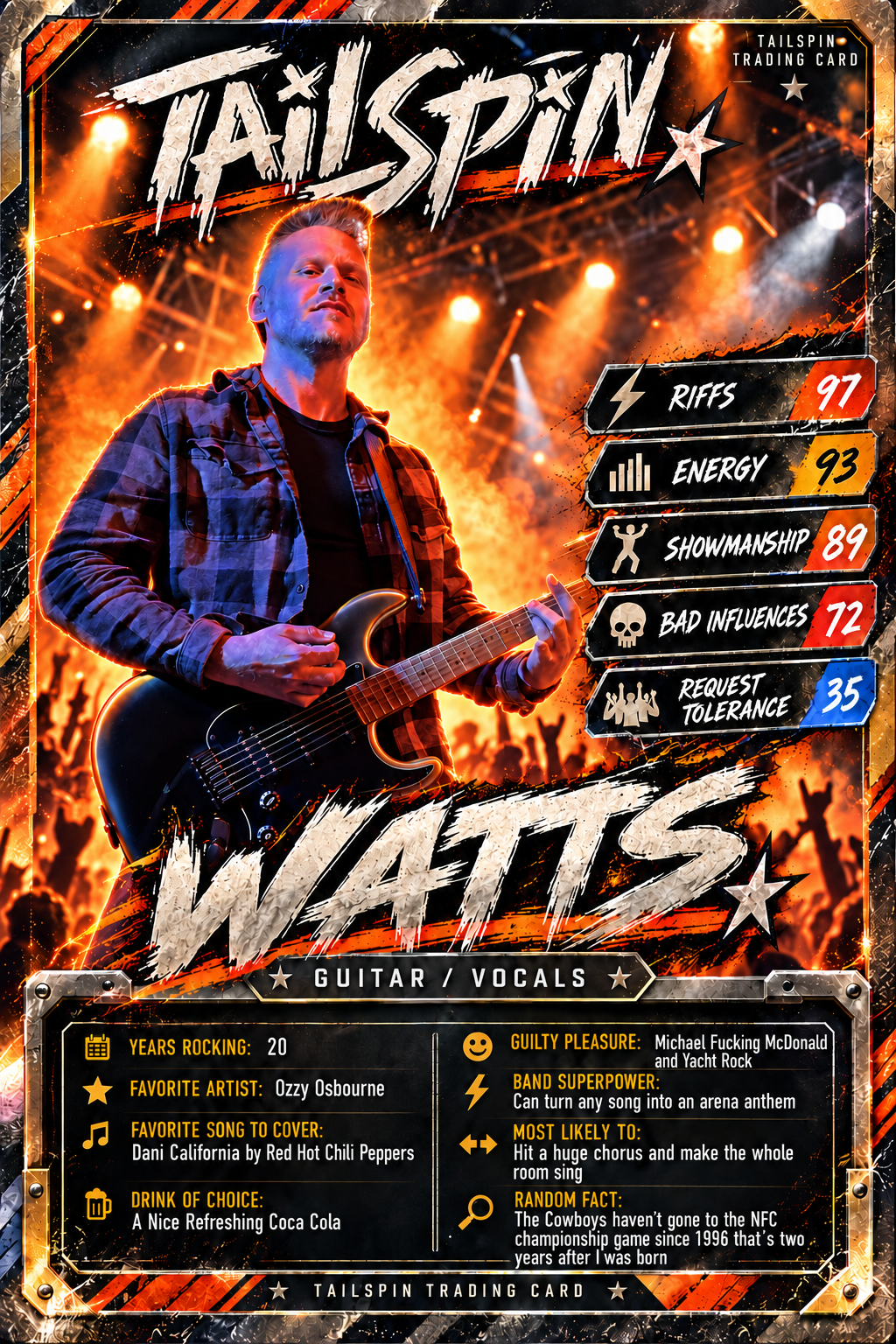
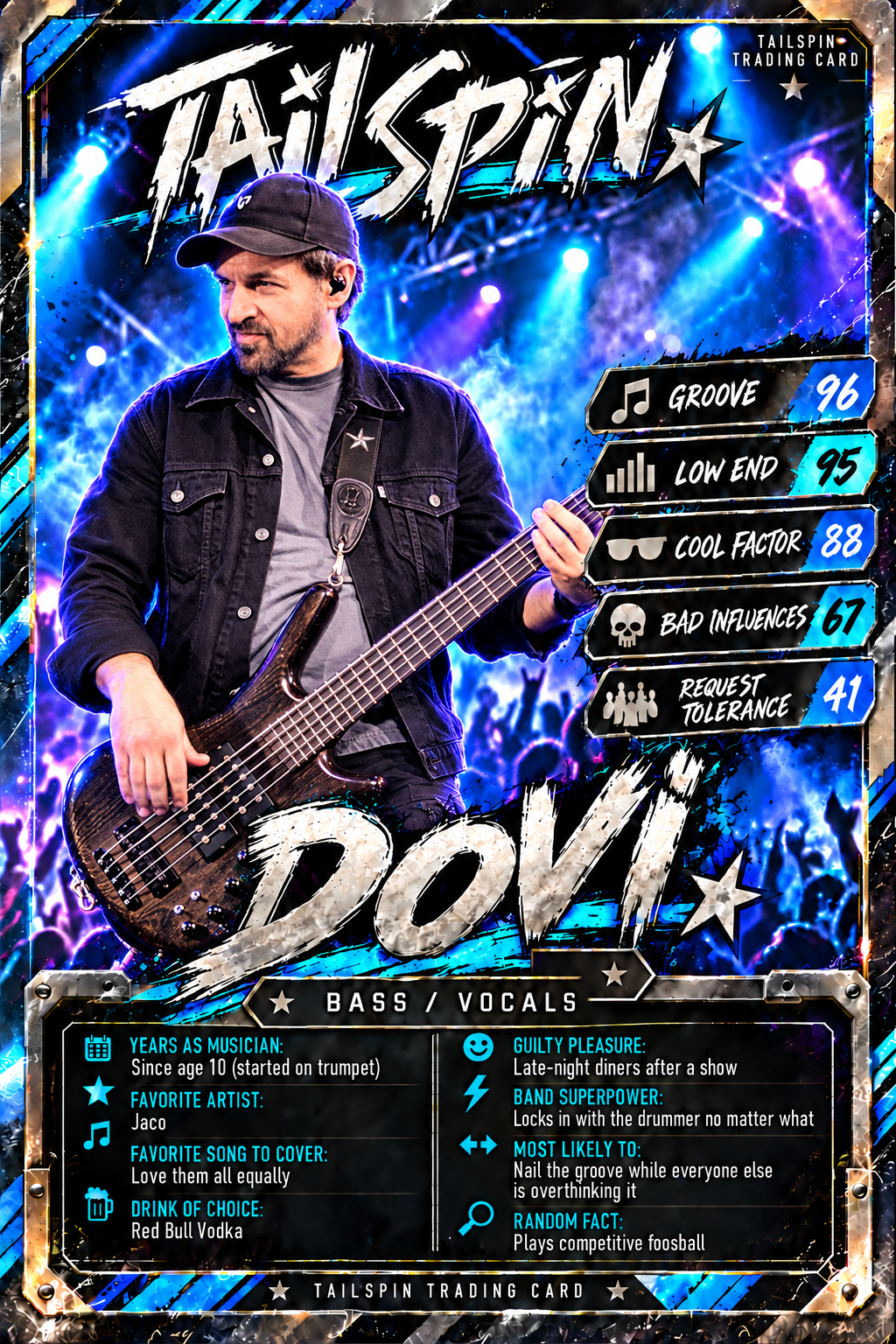
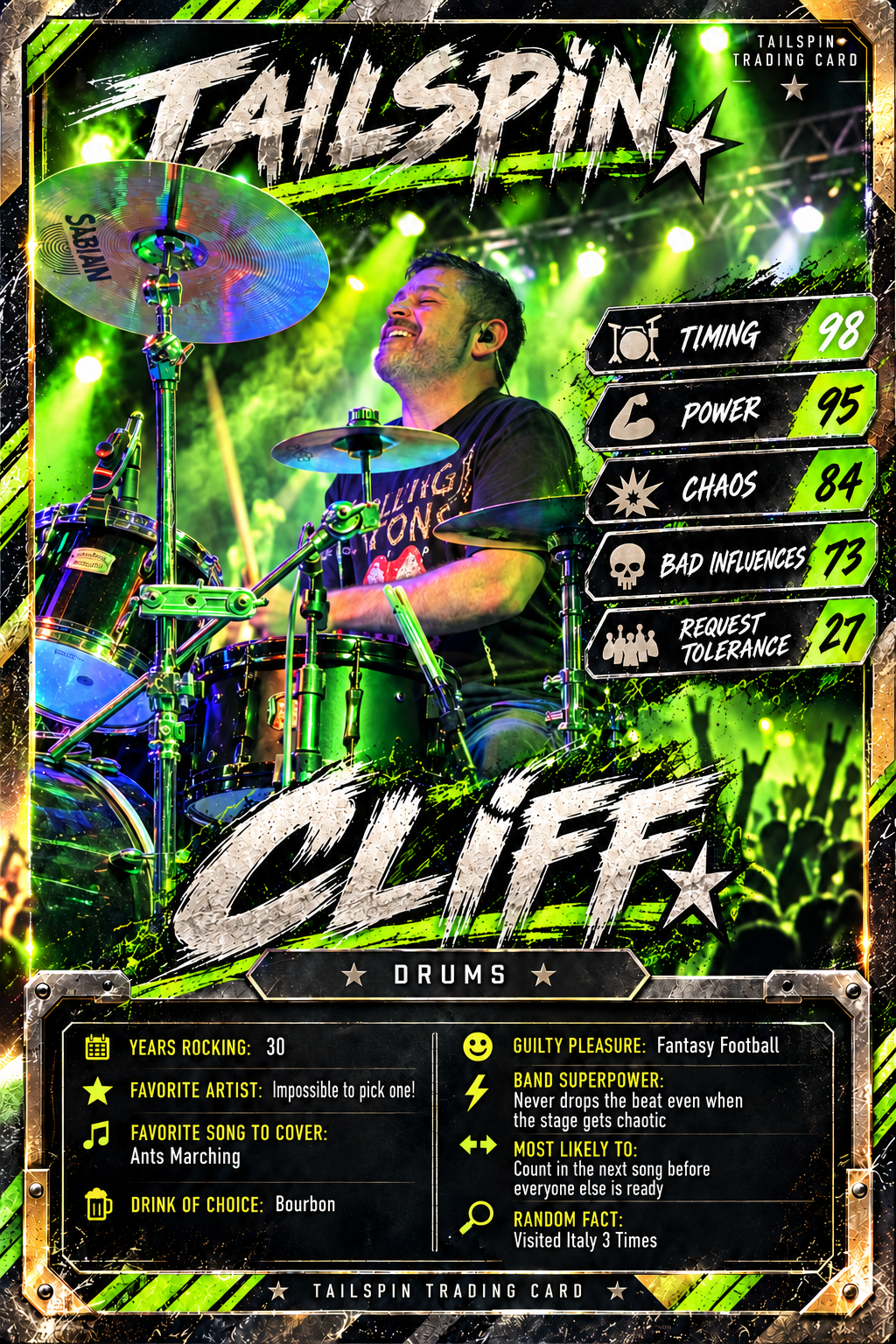
For a band, the challenge is choosing and arranging those songs with taste. For a listener, the fun is hearing a familiar favorite delivered with enough personality that it feels live rather than copied from a playlist. Tailspin brings that approach to Philadelphia-area events, Jersey Shore nightlife, and special occasions with high-energy performances, creative mashups, smooth transitions, and concert-style sound and lighting.
How to enjoy more of the shared moment
If you’re heading to a live show with friends, don’t over-plan the night. Pick a place where the music fits your group, arrive with enough time to get comfortable, and let the set surprise you a little. You may come for one favorite song and end up singing along to something you’d forgotten you knew.
If you’re choosing entertainment for an event, focus less on building a perfect personal playlist and more on creating a musical path through the evening. Think about who will be there, when you want dancing to begin, and how the band’s sound and presentation fit the room.
Ready to hear familiar favorites with a room full of people singing along? Check Tailspin’s upcoming shows and find a night to join us.