Corporate events work best when the entertainment feels like part of the occasion instead of a random interruption between dinner and dessert. A band that fits your company culture can help create the right atmosphere, whether you’re planning a holiday party, employee celebration, client gathering, conference reception, or company milestone.
That doesn’t mean every event needs the same kind of music. A relaxed team gathering may call for a different approach than a formal client event. The goal is to choose live entertainment that matches the room, the people in it, and the experience you want guests to have.
Start with the feeling you want to create
Before comparing bands, describe the atmosphere in plain language. Do you want guests to mingle comfortably? Dance after dinner? Celebrate a major achievement? Give employees a chance to relax outside the office? Help clients feel welcomed without making the event feel overly casual?
Those answers matter more than a vague request for “good music.” A high-energy cover band might be a strong choice for a company celebration where dancing is part of the plan. A lower-key musical setup may make more sense during networking, presentations, or a meal where conversation needs to remain easy.
Think of the event in sections rather than asking one band to create the same mood all night:
- Arrival and networking: Keep the volume comfortable enough for introductions and conversation.
- Dinner or presentations: Coordinate the music around speeches, awards, videos, and other planned moments.
- Celebration: Increase the energy when the formal program is finished and guests are ready to move.
- Closing: Leave enough time for a natural finish rather than cutting off the music in the middle of a moment.
Consider how your employees actually spend time together
Company culture isn’t just the language in a mission statement. It also shows up in how people socialize. Are teams used to casual happy hours and group outings, or is this one of the few times everyone gets together outside the workplace? Are employees spread across different age groups, departments, or locations?
These details can guide your entertainment choice. A band built around familiar music from the 2000s, 2010s, and today may give guests multiple points of connection without requiring everyone to share exactly the same taste. Recognizable choruses can bring people into the same moment, while a varied set can help the room feel inclusive without becoming musically unfocused.
You don’t need to make the event appeal to every possible listener in exactly the same way. You do want to avoid choosing entertainment based only on the preferences of the person booking it. Ask what your guests are likely to recognize, enjoy, and feel comfortable responding to.
Match the band’s energy to the event, not just the playlist
Two bands can perform familiar songs and create very different experiences. When you review a band, pay attention to the way the musicians move through a set, communicate with the crowd, and handle transitions between songs.
For a celebration, long pauses and abrupt changes can make it harder for guests to stay engaged. Creative mashups, medleys, and smooth transitions can help maintain momentum when the event shifts from conversation to dancing. That kind of flow is especially useful when you want the entertainment to feel like a cohesive show rather than a collection of unrelated tracks.
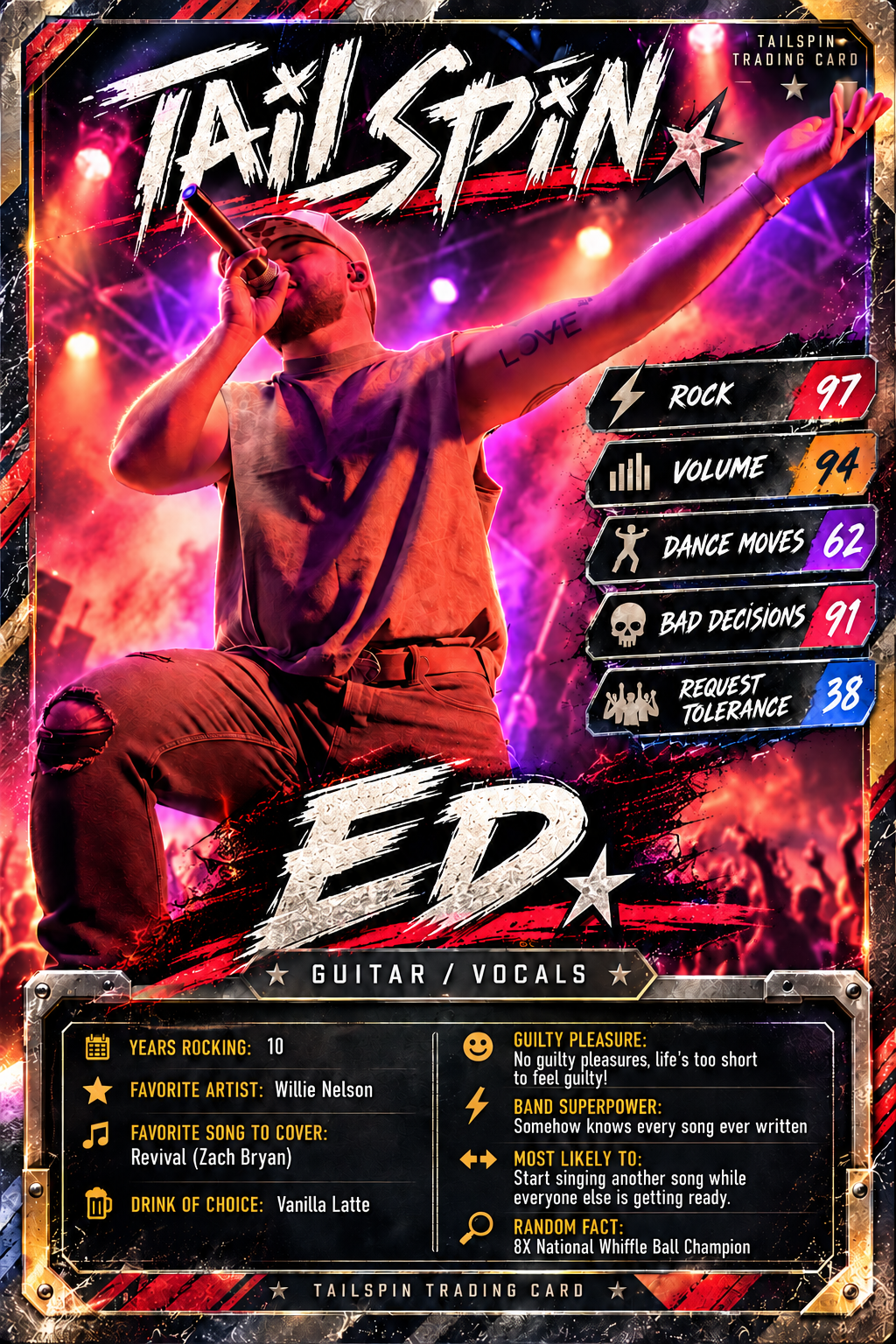
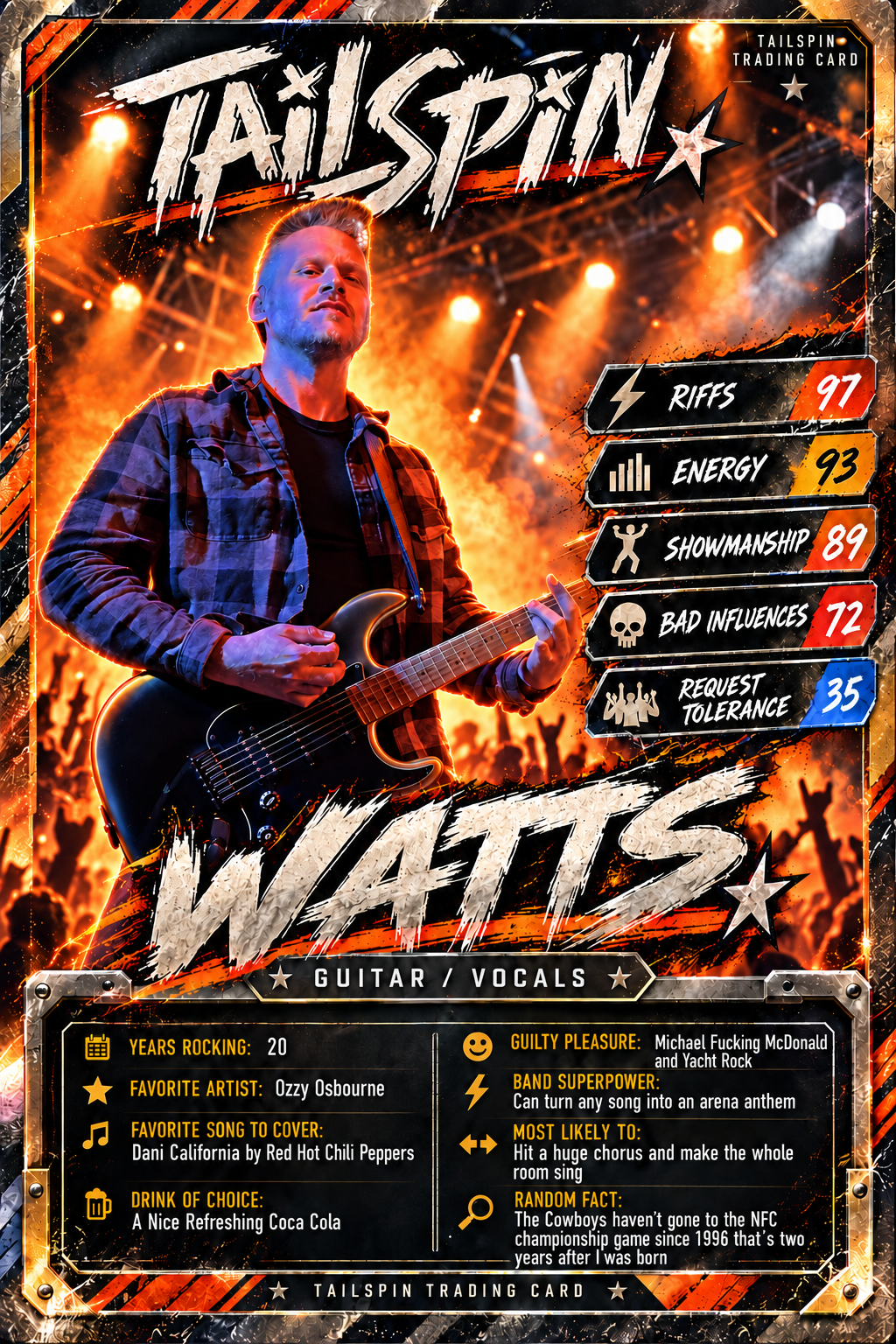
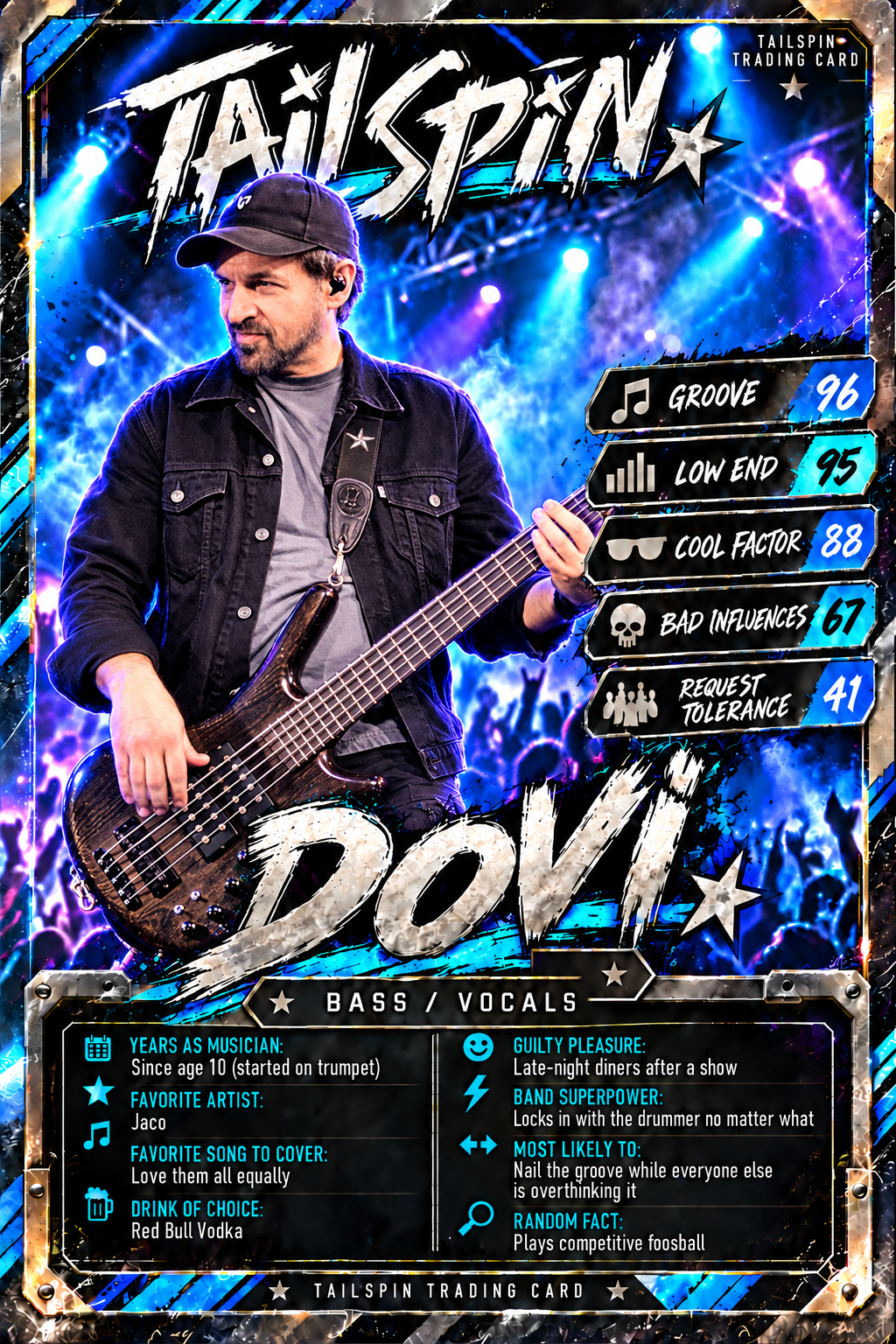
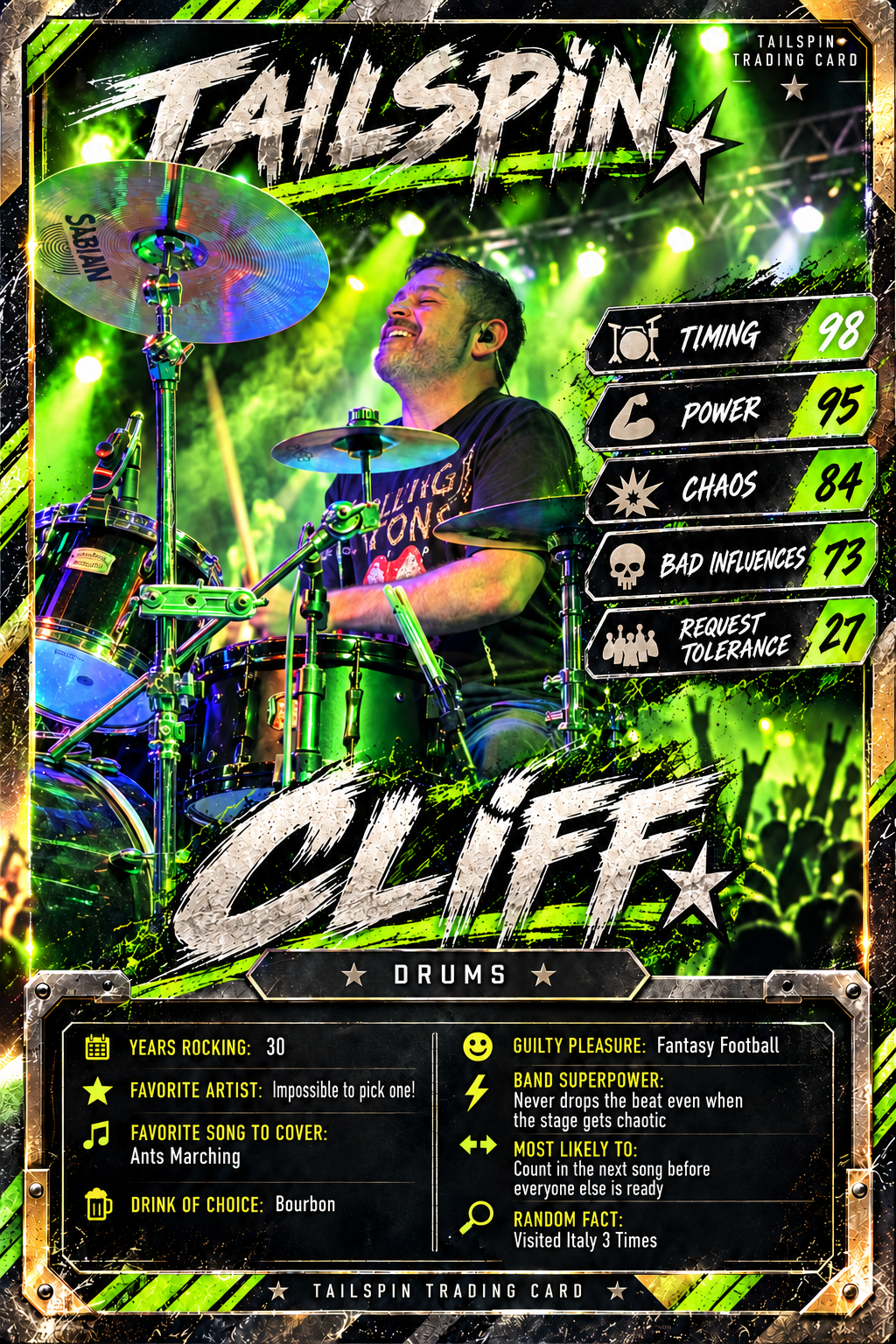
Tailspin brings a high-energy approach to corporate parties and special events, with hits from the 2000s, 2010s, and today, creative mashups, smooth song transitions, and concert-style sound and lighting. Whether that style fits your event depends on your audience, venue, schedule, and goals—but those are the details worth discussing before you book.
Think about the company’s level of formality
Professional doesn’t have to mean quiet or stiff. It means the entertainment is presented thoughtfully and works well with the rest of the event.
For a client appreciation event or conference reception, consider how the band’s presentation will fit the venue and the guest experience. A polished live show can bring energy to the room, while clear communication and good timing help protect the event’s professional tone. For an employee holiday party or milestone celebration, you may have more freedom to make the entertainment a central part of the night.
Share the event’s dress code, audience, schedule, and purpose with any band you’re considering. Those details help the musicians understand whether they’re supporting a formal gathering, leading a celebration, or doing both at different points in the evening.
Plan the volume and timing before event day
Volume is one of the easiest ways for live music to either support an event or work against it. The appropriate level depends on the room, the number of guests, the venue’s policies, and what’s happening at that moment. A dance set can be energetic without being the right backdrop for a keynote speaker.
Build a basic entertainment timeline with your venue and event team. Include:
- Guest arrival and networking
- Meal service or other hospitality moments
- Welcome remarks and presentations
- Awards, announcements, or videos
- When the band can load in and set up
- Sound check and any required quiet periods
- Performance blocks, breaks, and the final end time
Requirements vary by venue and band, so confirm the practical details directly. Ask about access, available space, sound restrictions, power, setup timing, and how the band will coordinate with the venue’s production team. If your event includes a planner, hotel staff, caterer, audiovisual provider, or emcee, make sure everyone is working from the same schedule.
Give the band useful information about your guests
A short event brief can make the planning conversation much more productive. Include the event type, date and location, expected guest count, age range if relevant, dress code, schedule, venue contact, and the role you want the band to play.
It also helps to explain what you don’t want. Maybe speeches need to remain easy to hear. Maybe the event is designed for dancing after a formal dinner. Maybe the company has a serious culture during work hours but enjoys a lively party once the program is over. Honest context is more useful than trying to guess the “right” answer.
You can also ask how the band approaches transitions, breaks, announcements, and changes to the schedule. No event timeline is completely immune to a delayed meal or a presentation that runs long. The important thing is to understand how those adjustments will be handled and who will communicate them.
Use the event goal as your final test
When you’re comparing entertainment options, return to one question: does this choice support what the event is supposed to accomplish?
If the goal is connection, the band should make it easier for people to share an experience. If the goal is appreciation, the music should contribute to a celebratory atmosphere without overshadowing the people being recognized. If the goal is client hospitality, the presentation should feel polished and appropriate for the room.
There’s no universal “best” band for every corporate gathering. The right fit depends on the audience, the venue, the event schedule, and the energy you want to create. A little planning upfront makes it much easier to choose entertainment that feels intentional rather than added at the last minute.
Make the music part of the plan
Corporate event entertainment is strongest when it’s considered alongside the room layout, program, guest experience, and company culture. Start with the atmosphere you want, share the practical details early, and choose a band whose style feels natural for your people.
Planning a company celebration or client event? Tell Tailspin about your event and entertainment needs, and let’s talk about whether our live show is a good fit.