Getting quotes from live bands should make planning easier. Instead, it can sometimes feel like you’ve been handed three menus written in completely different languages.
One band lists a single number. Another separates performance time, production, travel, and add-ons. A third sends a friendly paragraph with just enough information to make you wonder what you’re supposed to ask next.
The answer isn’t automatically to choose the lowest number. A useful comparison starts by making sure you’re comparing the same service, the same schedule, and the same production expectations. Here’s how to evaluate a live band booking budget without getting lost in the fine print.
Start with the complete event picture
A band can’t prepare a useful quote from “Saturday in June” alone. Before you request pricing, gather the details that may affect the performance:
- Event date and location
- Type of event, such as a wedding, corporate party, private celebration, or venue show
- Guest count and the general audience
- Guest arrival time and the desired performance window
- Whether you want one continuous set or multiple performance blocks
- Indoor or outdoor location
- Venue access, loading, parking, and setup restrictions
- Any planned speeches, dinner service, presentations, or other schedule interruptions
- What the venue already provides for sound, lighting, staging, and power
You don’t need every detail locked in before reaching out. You do need enough information for the band to understand the job. A quote based on a short evening set may not be comparable to one based on several hours of coverage, even if both proposals use the phrase “live music.”
Separate performance time from event coverage
Performance time is only one part of a band’s work. The musicians may also need time to load in, set up, sound check, wait through dinner or a presentation, and pack out afterward.
Ask each band to describe the expected schedule in plain language. How long is the band actually playing? When would setup happen? Are breaks built into the evening? What happens if the event timeline shifts?
This doesn’t mean every quote needs to use the same format. It means you should understand what the number represents. A lower quote may cover less playing time, a smaller production setup, or a different schedule. A higher quote may include services or logistics that another proposal leaves out.
Look closely at what “sound and lighting” means
Production can have a noticeable effect on the room. It also creates some of the biggest differences between live band quotes.
Ask what the band expects to provide and what the venue must provide. Useful questions include:
- Is the band providing the performance sound system?
- Is lighting included, and what kind of atmosphere is it intended to create?
- Are microphones for speeches or announcements included?
- Does the quote assume a stage, riser, or particular power arrangement?
- Are there venue rules about volume, setup access, or equipment placement?
- Will the band coordinate technical details directly with the venue, or should the planner handle that conversation?
Requirements vary by band, venue, and event size, so don’t assume one production setup fits every room. The goal is to identify responsibilities early, before the event schedule is printed and the loading dock becomes a last-minute mystery.
Ask about travel and other possible expenses
Location can affect a quote, particularly when an event is outside a band’s primary market or involves unusual access. Ask whether travel, parking, lodging, tolls, or additional transportation expenses are included or handled separately.
This is especially useful for events along the Jersey Shore, in nearby South Jersey, or at venues with complicated access. A beach event may be close on a map but less straightforward if equipment has to travel through seasonal traffic, limited parking, or a long path from the unloading area to the performance space.
You’re not looking for a surprise-free promise. You’re looking for a clear list of assumptions. If a quote depends on venue access, power, parking, or a specific schedule, write those conditions down and confirm them with the appropriate provider.
Compare the musical fit, not just the number
A live band is part of the event’s atmosphere, so the right comparison includes audience fit and musical direction.
Think about the people in the room. Do they want current pop and rock, throwback favorites, dance music, classic songs, or a broad mix? Are they likely to sing along, dance, listen from dinner tables, or move between all three? Does the band’s performance style suit a polished corporate gathering, a wedding reception, a private party, or a busy nightlife room?
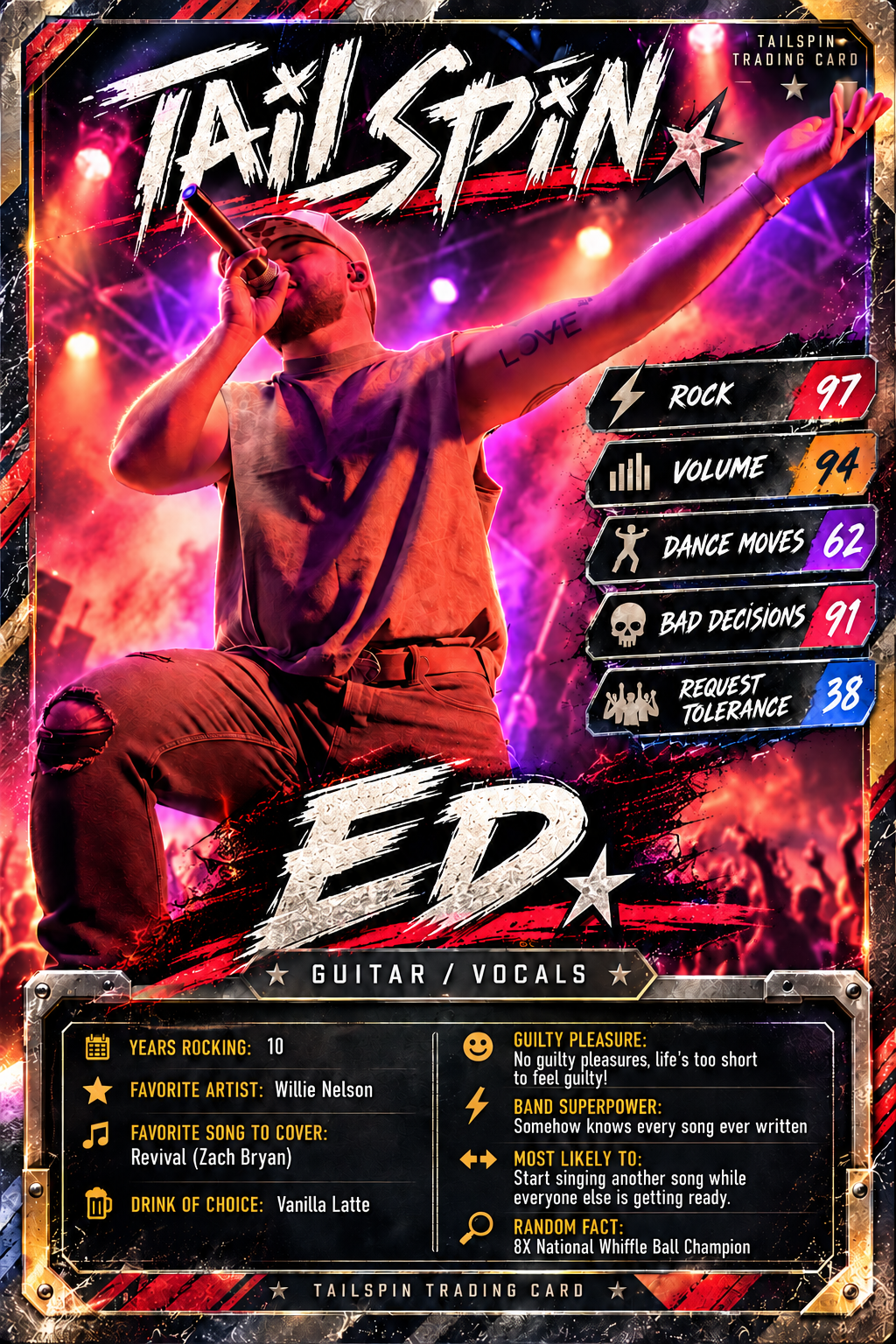
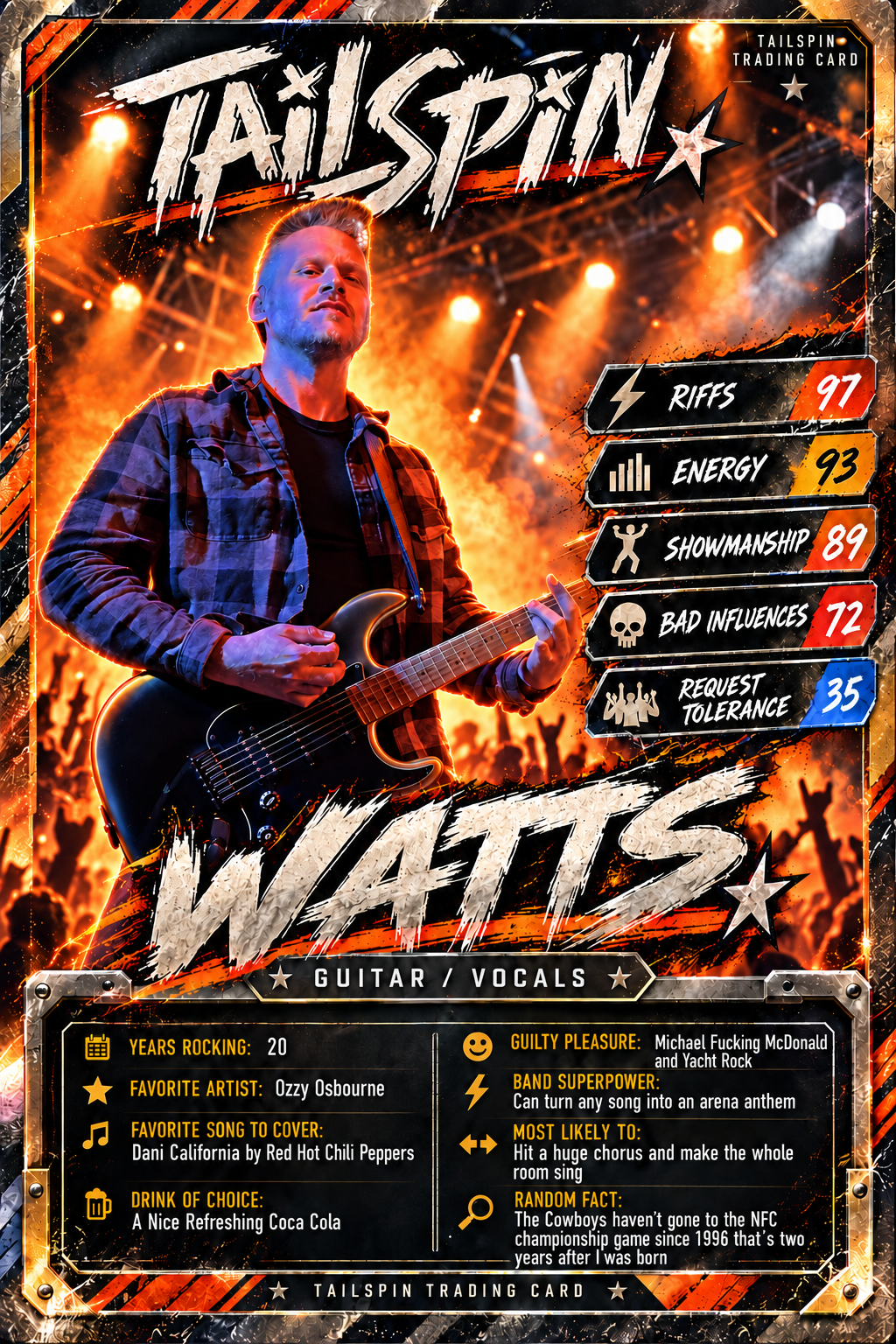
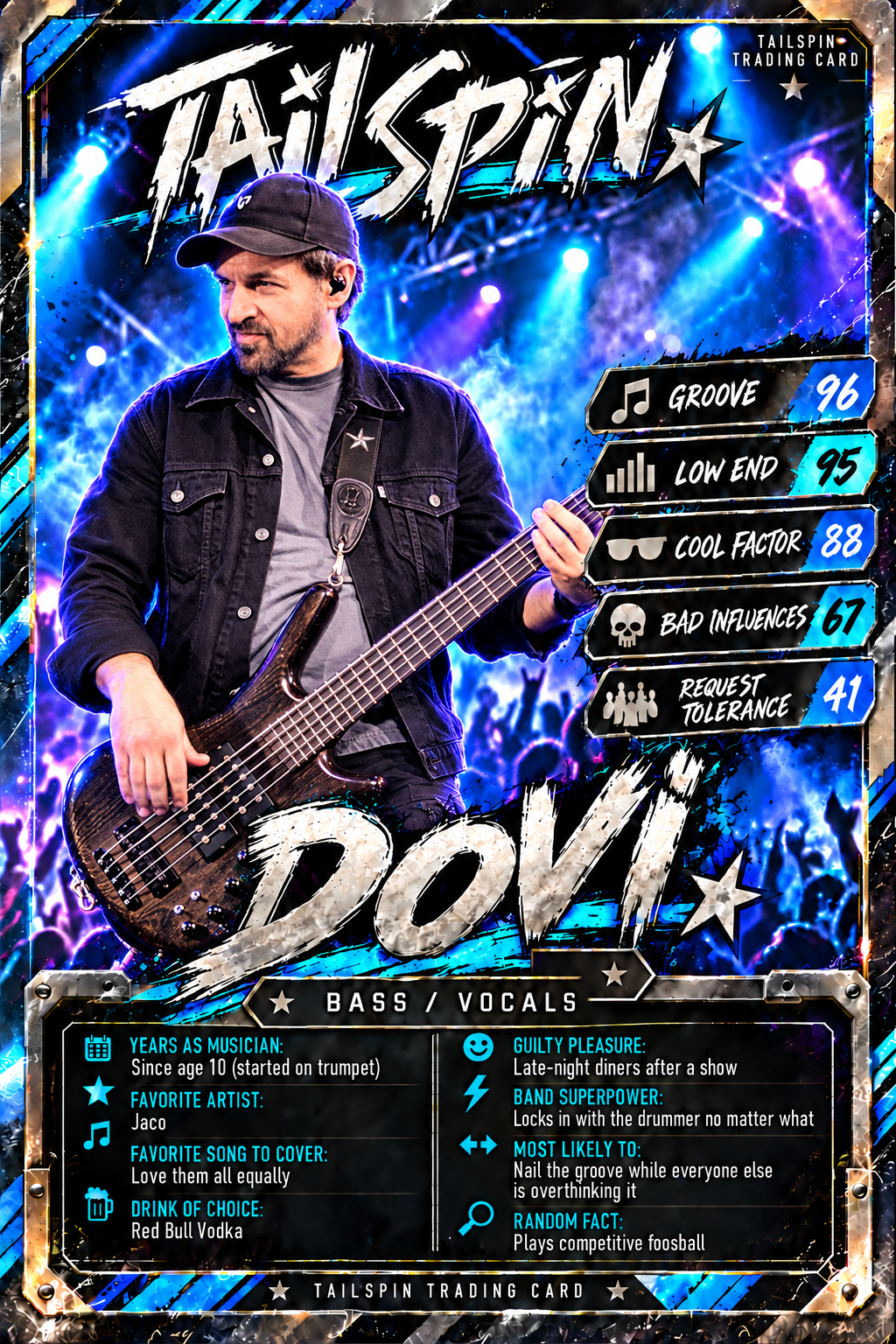
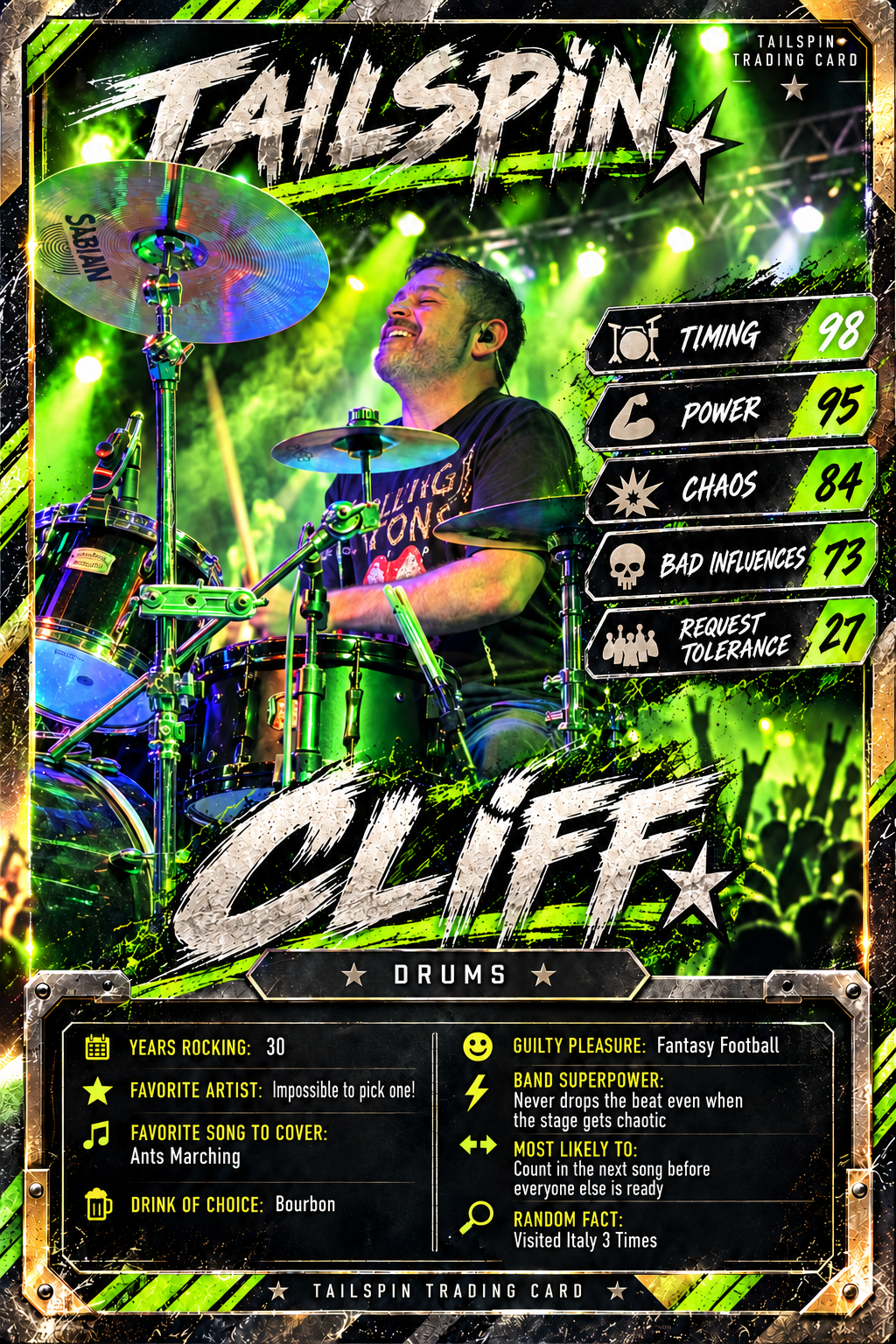
Tailspin is a Philadelphia cover band focused on hits from the 2000s, 2010s, and today. The band’s approach includes creative mashups, smooth song transitions, and concert-style sound and lighting. That combination may be a strong fit when you want recognizable music delivered with a high-energy live-show feel, but every event still deserves an honest conversation about audience, venue, and schedule.
When reviewing promotional materials, pay attention to more than whether you recognize the songs. Listen for vocals and instrumentation, watch how the band carries itself between songs, and notice whether the production feels appropriate for your room. A technically strong band can still be the wrong choice if its style doesn’t match the guests.
Build a simple comparison sheet
A one-page comparison can prevent the loudest number from making the decision for you. Create a row for each band and include:
- Total quoted price
- Performance hours and number of sets
- Setup, sound check, and breakdown assumptions
- Sound and lighting included
- Microphones or other event support included
- Travel and access costs
- Break structure
- Rain or weather considerations for outdoor events
- Communication and planning process
- Open questions or conditions
You can also add a column for musical fit. Give yourself a quick rating based on the audience, event tone, and the band’s visible performance style. This isn’t meant to turn music into a spreadsheet. It’s a way to keep practical details from getting buried under one attractive headline price.
Remember that the cheapest quote isn’t necessarily the least expensive choice if it leaves you responsible for major production, extra rentals, or complicated logistics. The most expensive quote isn’t automatically the best either. Value comes from the fit between the band, the event, the audience, and what the proposal actually covers.

Know which questions deserve a direct answer
Before making a decision, ask the questions that could change your budget or your confidence in the plan:
- What exactly is included in this quote? Ask for a plain-language breakdown rather than relying on package names.
- What information would change the price? Date, location, playing time, production, access, and schedule are common factors, but each provider handles them differently.
- What does the venue need to approve? Confirm volume limits, equipment rules, insurance requirements, and access procedures with the venue.
- How will schedule changes be handled? Events move. Find out who needs to be notified and what assumptions the quote depends on.
- Who is my planning contact? Clear communication matters before the band arrives, not only on the event day.
If the answers are vague, ask for clarification before comparing totals. A clean proposal isn’t just easier to budget; it gives you a better chance of coordinating the band with the venue, caterer, planner, and event host.
Make the decision based on confidence and fit
Your entertainment budget should respect both the event’s financial limits and the experience you want guests to have. Once the numbers are clear, consider which band gives you confidence in three areas: the music, the production, and the planning process.
For a wedding, that may mean finding a band whose style connects with different generations without making the reception feel generic. For a company event, it may mean a polished presentation and a schedule that works around dinner, remarks, or client activity. For a private party, it may come down to whether the band feels like the right match for the people you actually invited.
That’s a more useful decision than circling the lowest figure and hoping the rest sorts itself out. Good planning doesn’t remove every variable, but it puts the important ones where you can see them.
Comparing a live band booking budget is much easier when every quote answers the same basic questions. Gather your event details, clarify the schedule, separate production responsibilities, and judge musical fit alongside price.
Planning a celebration or event in the Philadelphia area, at the Jersey Shore, or nearby? Inquire about booking Tailspin and share the date, venue, audience, and kind of night you’re planning.