A small room can be a fantastic place for live music. You’re close enough to see the musicians, hear the crowd singing along, and feel the energy change when the opening notes hit. But smaller spaces also leave less room for guesswork.
When you’re planning a birthday party, private celebration, company gathering, or neighborhood event, the goal isn’t simply to fit a band into the room. It’s to create a layout where the musicians, guests, sound, and event schedule can all work together.
Here’s how to plan live music for a small event space without turning the room into a maze of cables, chairs, and people trying to find the bar.
Start with the room, not the band photo
Before you compare acts, take an honest look at the venue. A room that feels spacious during an empty walkthrough may become much tighter once you add tables, a buffet, a bar, a dance area, coats, gifts, and guests moving between activities.
Measure or confirm the areas that matter most:
- The proposed performance area
- The distance from the load-in entrance to the stage area
- The locations of outlets and other venue restrictions
- The ceiling height and any low fixtures
- The space needed for guests to move safely
- The location of tables, food service, bars, and exits
You don’t need an architectural survey for a birthday party. A simple floor plan, a few accurate measurements, and clear photos can give a band and venue coordinator a much better starting point.
Think about the guest experience
In a compact venue, placement affects how the event feels. If the band is pushed into a corner behind tables, guests may treat the performance like background noise. If the musicians are placed directly in the busiest walkway, people may have trouble moving around and the performers may have limited room to work.
A useful layout usually gives the band a clear focal point while preserving an obvious path for guests. You may want the dance area in front of the performance space, with dining or conversation areas positioned slightly to the side rather than directly between the band and the rest of the room.
That doesn’t mean every guest has to dance. Some people will want to sit, talk, or watch from a distance. Good planning gives them that option without making the musicians feel disconnected from the party.
Keep sightlines in mind
Guests should be able to see the performers from the areas where you expect them to spend time. A band hidden behind a tall buffet or blocked by a wall of cocktail tables may sound fine, but it won’t create the same visual connection as a performance people can actually watch.
Walk through the room from different guest viewpoints. Can someone near the entrance see what’s happening? Can guests at the back of the room see the performance area? Is the dance space clearly defined, or does it look like a gap between furniture?
Ask the band what information they need
Every band has its own setup, personnel, equipment, and production requirements. Don’t rely on assumptions based on another event you’ve attended. Ask the band what they need, then confirm those details with the venue.
Useful questions include:
- What performance-area dimensions work best for the group?
- How much space is needed for load-in and setup?
- What access information should the venue provide?
- Are there sound or volume policies the band should know about?
- What time does the band need access before guests arrive?
- Are there venue rules involving outlets, elevators, stairs, parking, or noise?
- How will breaks fit into the event schedule?
Requirements can vary significantly between bands and venues. A professional entertainment conversation should make those details clear before anyone arrives with an instrument case in one hand and a very optimistic floor plan in the other.
Choose energy that fits the room
A small space doesn’t automatically call for quiet background music. It does call for an act that understands how to connect with the room without overwhelming it.
For an event with a younger crowd, a high-energy cover band performing recognizable music from the 2000s, 2010s, and today can create a strong sing-along and dance-floor atmosphere. For a mixed-age gathering, familiar hooks and well-known choruses can help more guests participate, even if they don’t share exactly the same favorite artists.
The best choice depends on the event, the audience, and the venue’s expectations. Consider whether you want music that supports conversation, music that creates a dedicated dance period, or a balance that changes throughout the night.
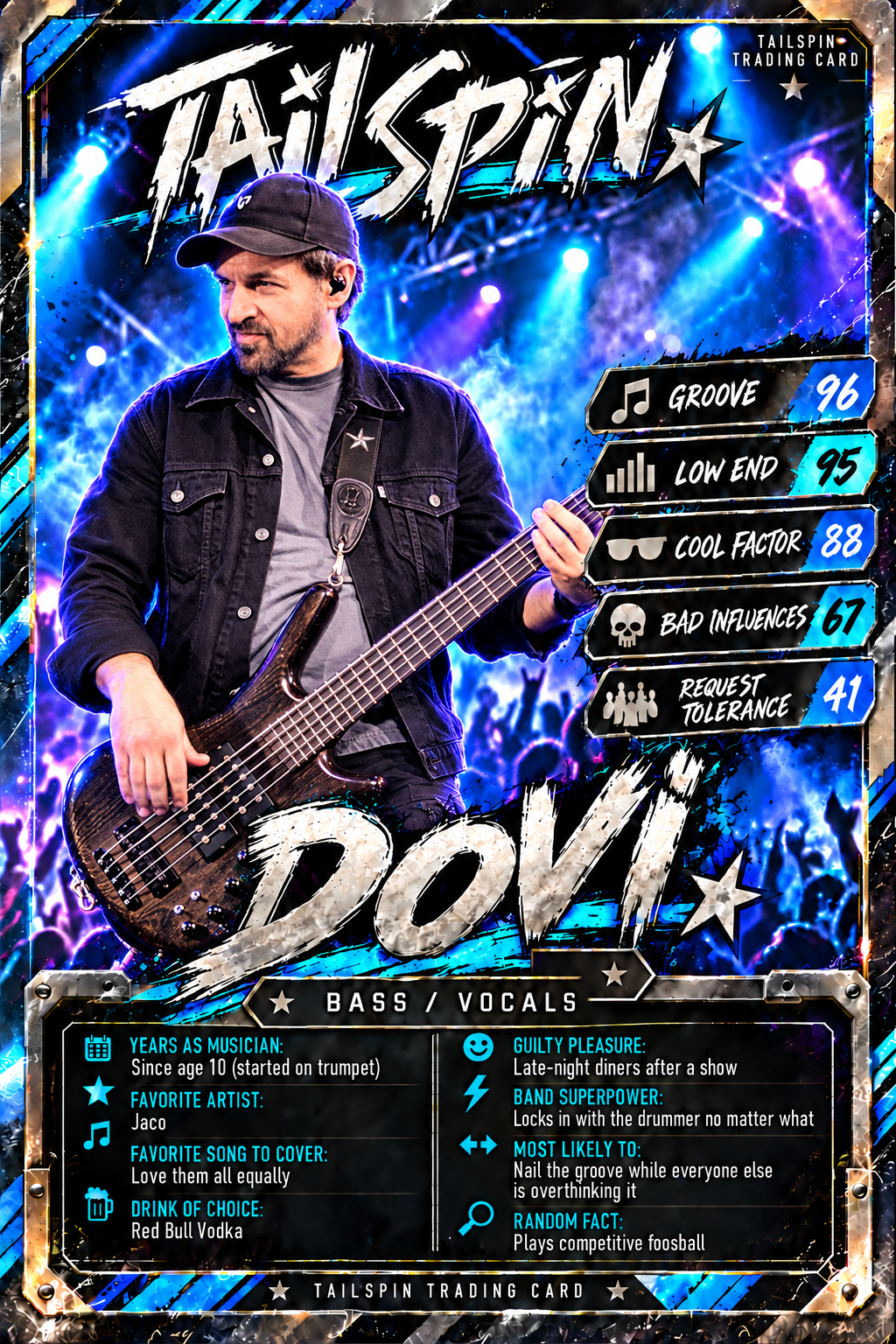
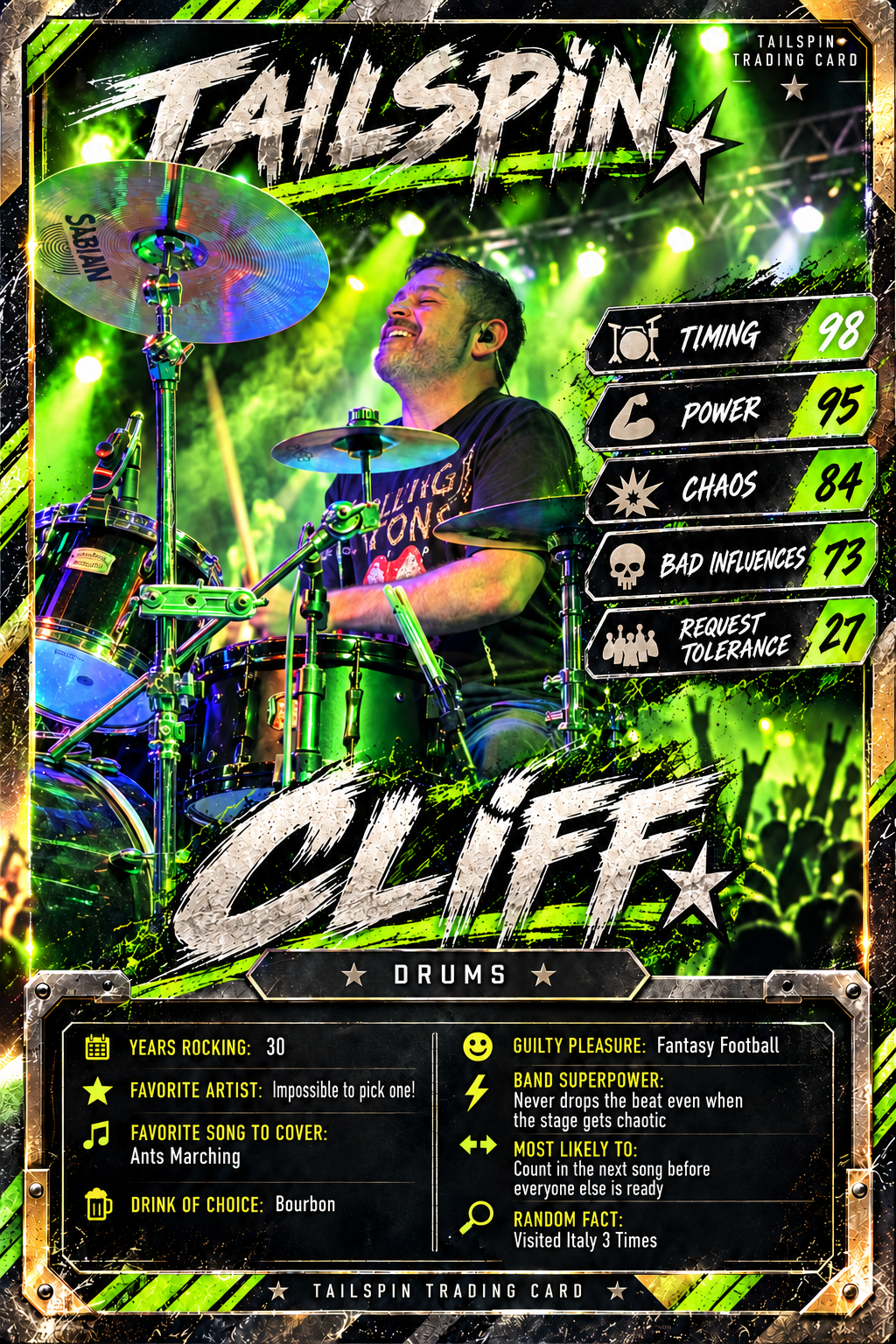
Tailspin brings creative mashups, smooth transitions, and concert-style sound and lighting to events throughout the Philadelphia area, the Jersey Shore, and the Delaware Beaches. For a smaller room, talk through how the band’s performance approach can fit the venue rather than assuming a standard setup will work everywhere.
Build the schedule around the room’s purpose
Small events often use one room for everything: arrival drinks, dinner, speeches, dancing, and the performance. That makes timing especially important.
Decide when guests need to talk and when you want their attention focused on the music. If speeches happen while the band is set up, leave a clear path for the person speaking and confirm how transitions will be handled. If dinner is served in the same space, consider whether the band should perform during the meal, after it, or in separate blocks.
Short breaks can also help the room breathe. Guests may want time to visit the bar, use the restroom, check in with friends, or simply rest their ears. The exact performance schedule should be confirmed with the band and coordinated with the venue’s event timeline.
For corporate gatherings, this planning matters even more. A live set can be a great way to shift an event from presentations into celebration, but it shouldn’t compete with announcements, networking goals, or a time-sensitive meal service.

Plan access and setup before event day
In a small venue, setup logistics can affect the whole event. Confirm where equipment enters the building, whether there are stairs or elevators, and whether the load-in route is shared with catering or guests.
Give the band accurate arrival and access information. The venue may have rules about when vendors can enter, where vehicles can park, or how long setup can take. Those details should be discussed directly with the appropriate providers rather than guessed from the room diagram.
It’s also smart to keep the performance area free until setup is complete. Don’t place gift tables, extra chairs, or decorative displays in the band’s planned footprint and hope everyone can improvise later. A few inches can matter when the room is already tight.
Don’t forget sound and volume expectations
Small rooms can make live music feel immediate, but sound behaves differently in every space. Hard floors, glass, low ceilings, and close walls can make a room feel louder or more reflective than expected.
Ask the venue about its sound policies and share them with the band in advance. If there are nearby residences, early closing requirements, or restrictions on amplified music, those details belong in the planning conversation. The band and venue can then discuss an appropriate approach.
Guests should be able to enjoy the music without losing every conversation outside the performance area. A clear schedule, thoughtful speaker placement, and communication between the band and venue can help create a better balance.
Use the space to your advantage
A compact room can give a live show a direct, communal feeling. Guests may feel more connected to the performers, and familiar songs can turn into a room-wide chorus quickly. You don’t need a giant stage to create a strong musical moment.
Focus on a clean layout, a sensible schedule, and an entertainment choice that matches the audience. Share the venue’s information early, confirm the practical requirements, and leave enough room for people to move comfortably.
Planning a celebration in a small venue? Inquire about booking Tailspin and tell us about the room, the event, and the kind of night you’re putting together.