Live music can change the feel of a fundraiser or community event in a hurry. A familiar chorus gives guests a reason to stay a little longer. A strong groove can turn a quiet room into a gathering place. And when the music fits the audience, it helps the event feel welcoming instead of overly formal.
But entertainment has to support the mission, not compete with it. The best planning decisions happen before anyone plugs in an instrument. Here’s how to book live music for a fundraiser or special event while keeping the schedule, audience, venue, and cause working together.
Start with the event’s real purpose
Before comparing bands, define what the music needs to accomplish. A fundraising dinner, a neighborhood festival, a school benefit, and a nonprofit gala may all include live entertainment, but they don’t need the same kind of performance.
Ask a few practical questions:
- Is the main goal conversation, dancing, celebration, or a combination?
- Will guests be seated for most of the event, or moving around the room?
- Does the entertainment happen during arrivals, after dinner, near the end of the program, or throughout the event?
- Are there speeches, auctions, awards, raffles, or announcements that need clear attention?
- What should guests feel when they leave: energized, connected, grateful, or ready to celebrate?
These answers give you a useful filter. A high-energy cover band may be a natural fit for a late-evening benefit where dancing is part of the plan. A more restrained musical approach may work better during a meal or donor reception. Neither choice is automatically better; the right choice depends on the room and the running order.
Choose music your audience recognizes
Fundraisers often bring together people who don’t share the same age, background, or taste. That doesn’t mean you need to book music that tries to please every possible listener. It does mean the entertainment should offer enough familiar entry points for guests to connect.
Music from the 2000s, 2010s, and today can be especially useful for a mixed crowd because many guests will recognize the hooks, choruses, and rhythms even if they don’t all listen to the same artists at home. Pop, rock, dance, and other accessible styles can give different groups a way into the evening.
When reviewing a band, listen for more than the song titles. Pay attention to how the musicians handle the transitions between styles. Do the arrangements keep the momentum moving? Does the performance sound polished without feeling overly rigid? Can the band shift the energy if the event moves from dinner into dancing?
Creative mashups and smooth transitions can be helpful here. They give guests recognizable moments while keeping the show from feeling like a series of disconnected songs.
Match the band to the event’s personality
The entertainment should feel like part of the event’s identity. A formal charity dinner may call for a polished presentation and thoughtful volume control. A community celebration might have more room for a visibly energetic stage presence. A private benefit hosted by a group of friends may want the atmosphere of a great night out.
Look at a band’s performance videos and promotional materials with your actual event in mind. Consider:
- Stage presence: Do the performers create energy without making the entire event about themselves?
- Audience connection: Does the room appear engaged, or is the band focused only on the stage?
- Musical range: Can the group move between eras and styles that make sense for your guests?
- Presentation: Does the lighting and overall production look appropriate for your venue?
- Professional fit: Does the band seem suited to a carefully scheduled event with announcements and other program elements?
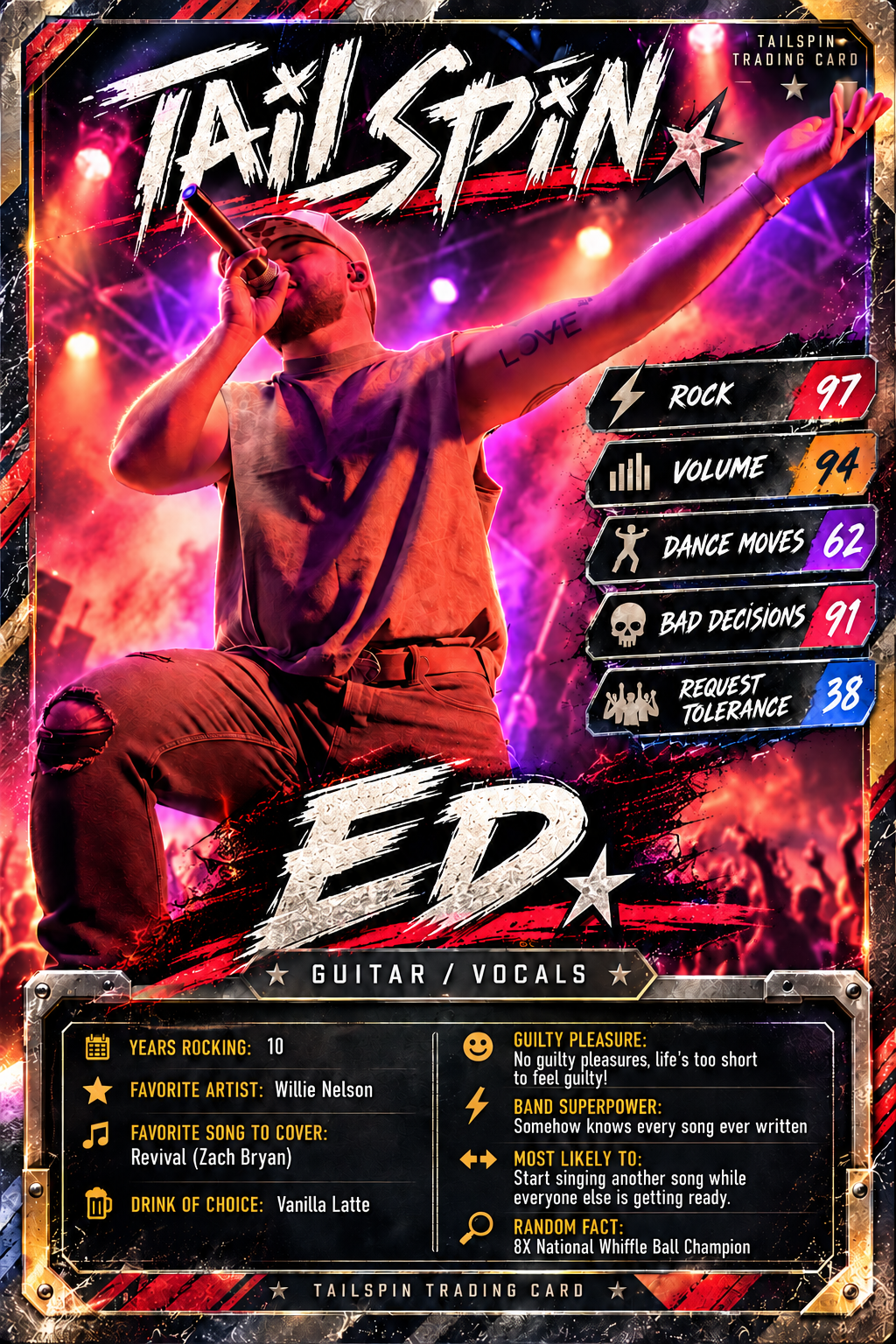
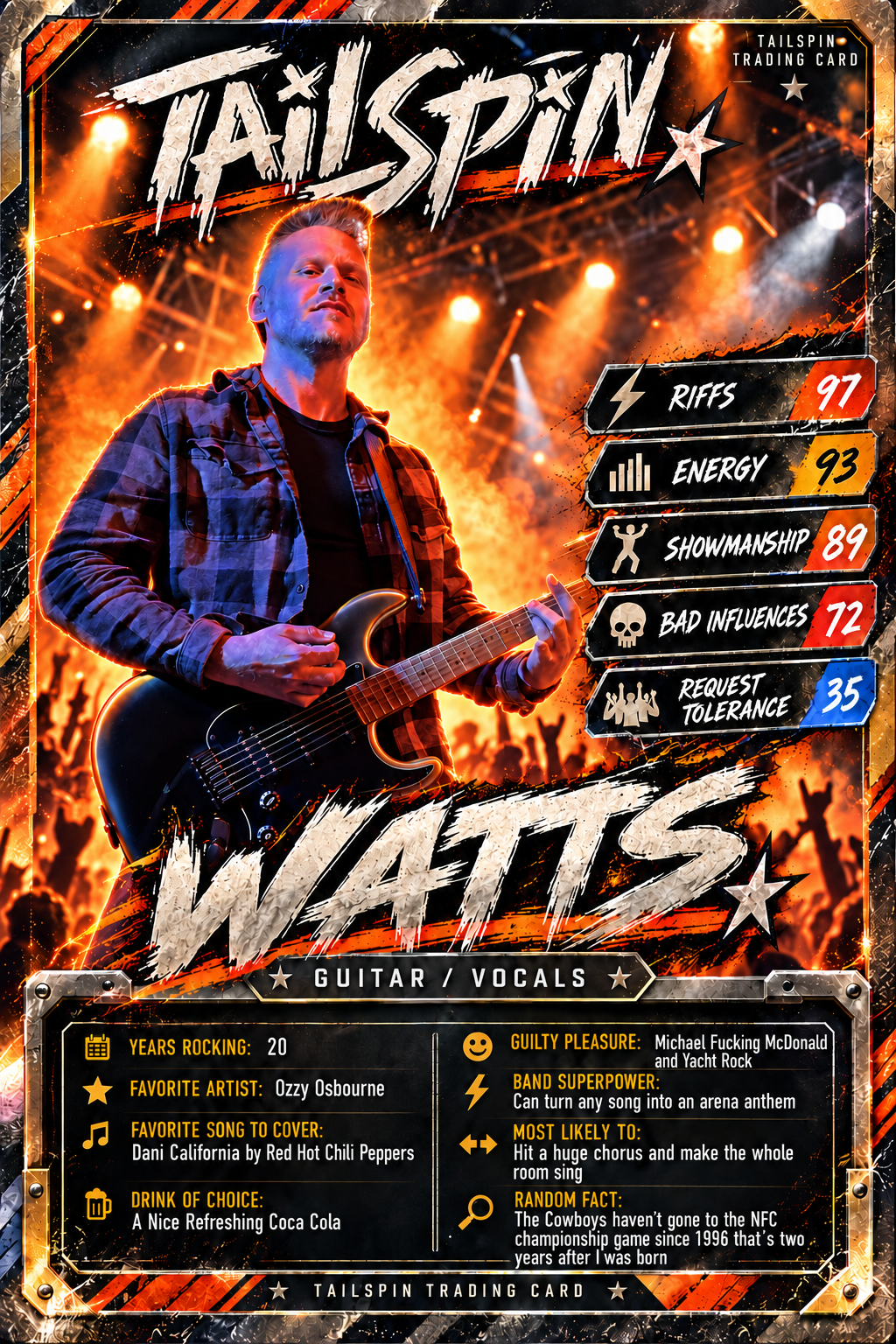
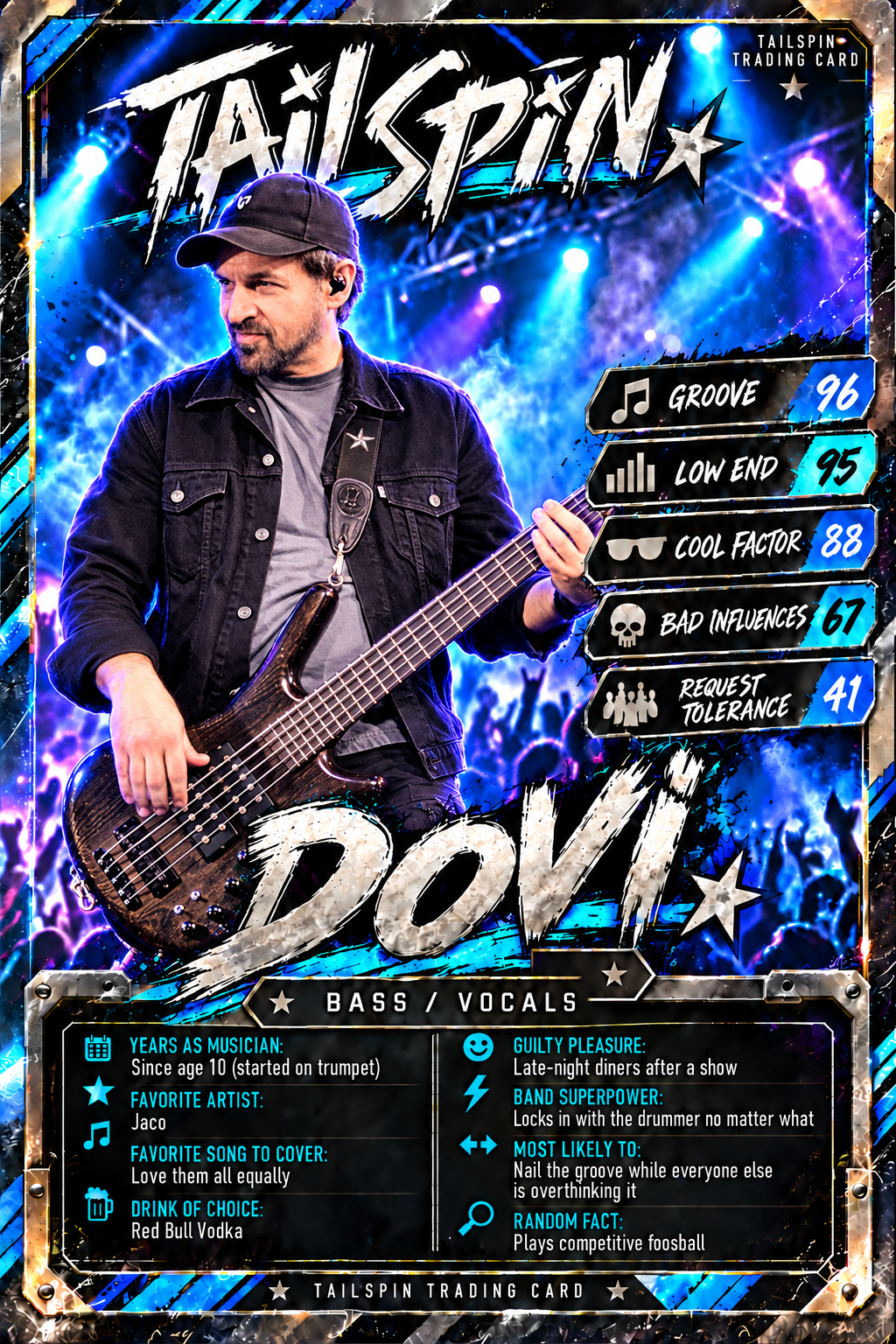
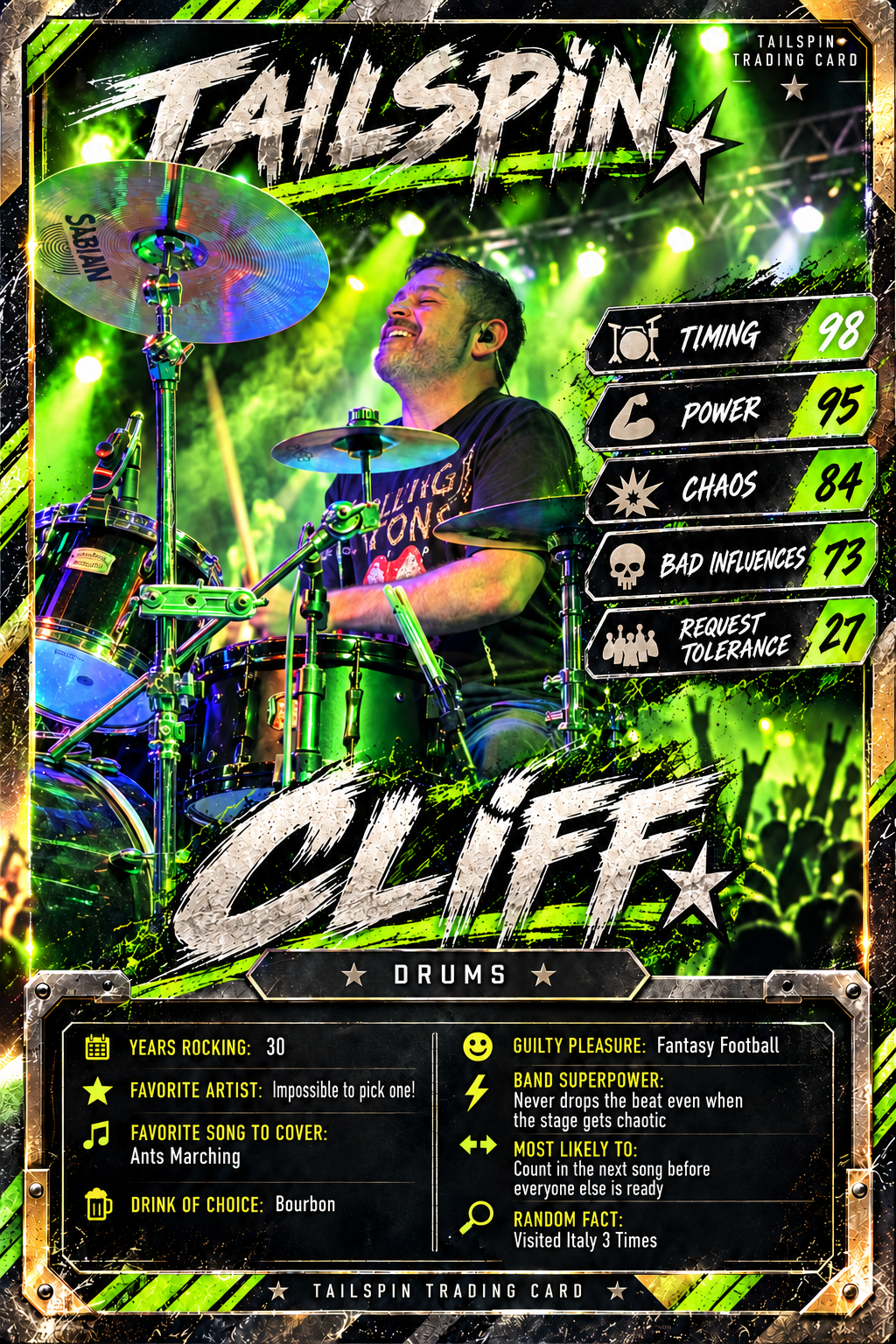
Tailspin brings a high-energy cover-band approach to hits from the 2000s, 2010s, and today, with concert-style sound and lighting, creative mashups, and smooth song transitions. For an event where the music is meant to build toward a lively celebration, that combination may be worth considering. You’ll still want to discuss your specific audience, venue, and schedule before making a decision.
Build the entertainment around the program
A fundraiser rarely consists of music alone. There may be a welcome, mission presentation, sponsor recognition, meal service, auction, awards, or a closing appeal. The entertainment schedule should leave room for those moments instead of forcing the event to race around the band.
A simple structure might look like this:
- Arrival: Use appropriate background music while guests check in, mingle, and find their seats.
- Opening program: Keep the focus on welcomes, hosts, speakers, and the organization’s purpose.
- Meal or reception: Consider how much volume is comfortable while people are eating and talking.
- Mission or fundraising moment: Give the appeal, auction, or presentation a clean pause with no competing sound.
- Celebration: Let the band take a more prominent role once the important information has been delivered.
This is only a planning example. Your venue, event format, and entertainment provider may call for a different arrangement. The important thing is to share the full running order early, including approximate times for speeches, breaks, meal service, and guest activities.
Talk through venue logistics early
Live music needs a workable place to happen. Before booking, ask the venue about the available performance area, guest flow, access for load-in, sound policies, and any restrictions that could affect the setup. Requirements vary by band and venue, so confirm the details directly rather than relying on assumptions.
It’s also useful to identify who will make timing decisions on the event day. The band, venue contact, planner, caterer, auction team, and host should not all be giving separate instructions. One designated point person can help keep changes clear and prevent the entertainment from getting caught between competing schedules.
If the event is outdoors, ask additional questions about weather plans, power, surface conditions, and what happens if the program needs to move. A backup plan doesn’t have to be dramatic. It just needs to be specific enough that everyone knows what changes and who communicates them.

Protect the cause without making the event feel like a meeting
Fundraisers have a message to deliver, but guests also need room to enjoy themselves. A successful entertainment plan respects both sides. Keep the mission moments clear and focused, then give people a genuine chance to socialize, dance, and celebrate the community they’re supporting.
That balance can affect where you place the band and how you handle announcements. If the stage blocks the main presentation area, guests may spend the night turning their chairs around. If every transition includes a long interruption, the energy can disappear. If the music is too loud during conversation-heavy portions, guests may disengage before the main celebration begins.
Good planning is often less about adding more entertainment and more about giving each part of the evening enough space to work.
Give the band useful information
When you inquire, provide more than the event date. A band can give you a more useful response when it understands the full picture.
- Event type and purpose
- Venue and general location
- Expected guest count, if known
- Preferred performance window
- Whether guests will be seated, mingling, dancing, or moving between spaces
- Major program elements such as speeches, auctions, awards, or presentations
- Venue rules or known sound restrictions
- Your preferred overall atmosphere
You don’t need to have every detail finalized before starting a conversation. You do want to be honest about what is known, what is still changing, and what the venue has or has not confirmed. That makes it easier to evaluate whether the entertainment is a sensible fit.
Think of music as part of the guest journey
The right live band doesn’t replace the purpose of a fundraiser. It helps shape the moments around it: guests arriving and finding their people, a room listening closely to a personal story, the shift after the final appeal, and the first rush toward the dance floor when the celebration begins.
For Philadelphia-area fundraisers, community events, and private celebrations, Tailspin offers a polished, high-energy live music option built around familiar hits and a concert-style presentation. The best fit depends on your audience and plan, so start with the event details and build from there.
Planning a fundraiser or community event? Tell Tailspin about your event and entertainment needs, and let’s talk through the possibilities.