Booking a live band isn’t just a matter of finding talented musicians and putting a date on the calendar. The better question is whether the act fits the room, the audience, the event schedule, and the client’s expectations.
That match matters whether you’re recommending entertainment for a wedding, placing a band at a shore nightclub, planning a corporate celebration, or helping a private-event client choose between several options. A great band in the wrong setting can feel like a square peg in a very loud, very expensive hole.
Here’s a practical way to evaluate an act before you recommend it.
Start with the event, not the band
Before reviewing videos or asking about dates, get clear on what the event actually needs. The same band may be an excellent fit for one client and a poor fit for another, even if both events want live music.
Ask a few basic questions:
- Who will be in the audience?
- Is the goal dancing, background entertainment, a concert-style show, or a mix?
- What kind of venue will host the event?
- How much time is available for music?
- Are there speeches, presentations, meals, awards, or other scheduled moments?
- Does the client want familiar hits, a particular era, a specific genre, or broad variety?
For example, a late-night bar crowd may be ready for a high-energy set built around recognizable party songs. A corporate dinner may need a more carefully timed performance with clear volume expectations and room for announcements. A wedding reception usually benefits from music that can connect with different generations without making the evening feel like a playlist assembled by committee.
Review performance videos for useful evidence
A promotional video can look polished and still leave important questions unanswered. When you review an act’s videos, look beyond the number of cameras, quick edits, or dramatic lighting. You’re trying to understand what the band feels like in a real room.
Watch the audience
Do people appear engaged? Are they dancing, singing, watching closely, or drifting toward the bar? Audience reaction isn’t a guarantee of what will happen at another event, but it can help you see whether the act creates a connection beyond simply playing accurate notes.
Listen for transitions
Long pauses, awkward endings, or abrupt changes can affect the energy of a live event. Look for bands that understand how to move from one song to the next. Creative mashups, medleys, and smooth transitions can help a set feel intentional rather than like a series of disconnected songs.
Check the full presentation
Notice the balance between musicianship, stage presence, vocals, lighting, and overall visual organization. A band doesn’t need to be flashy for every event, but it should present itself in a way that matches the client’s expectations. A professionally planned gala, a packed nightclub, and a casual private party may call for different levels of production and presentation.
Match musical style to audience expectations
“They play covers” doesn’t tell you enough. Two cover bands can have completely different approaches to song selection, arrangement, pacing, and audience interaction.
Ask how the band thinks about its repertoire. Does it focus on one era or genre? Does it move across styles? Does it build a set around sing-along choruses, dance-floor favorites, current hits, or deeper cuts? You don’t need a song-by-song promise before making a recommendation, but you do need a clear sense of the act’s musical identity.
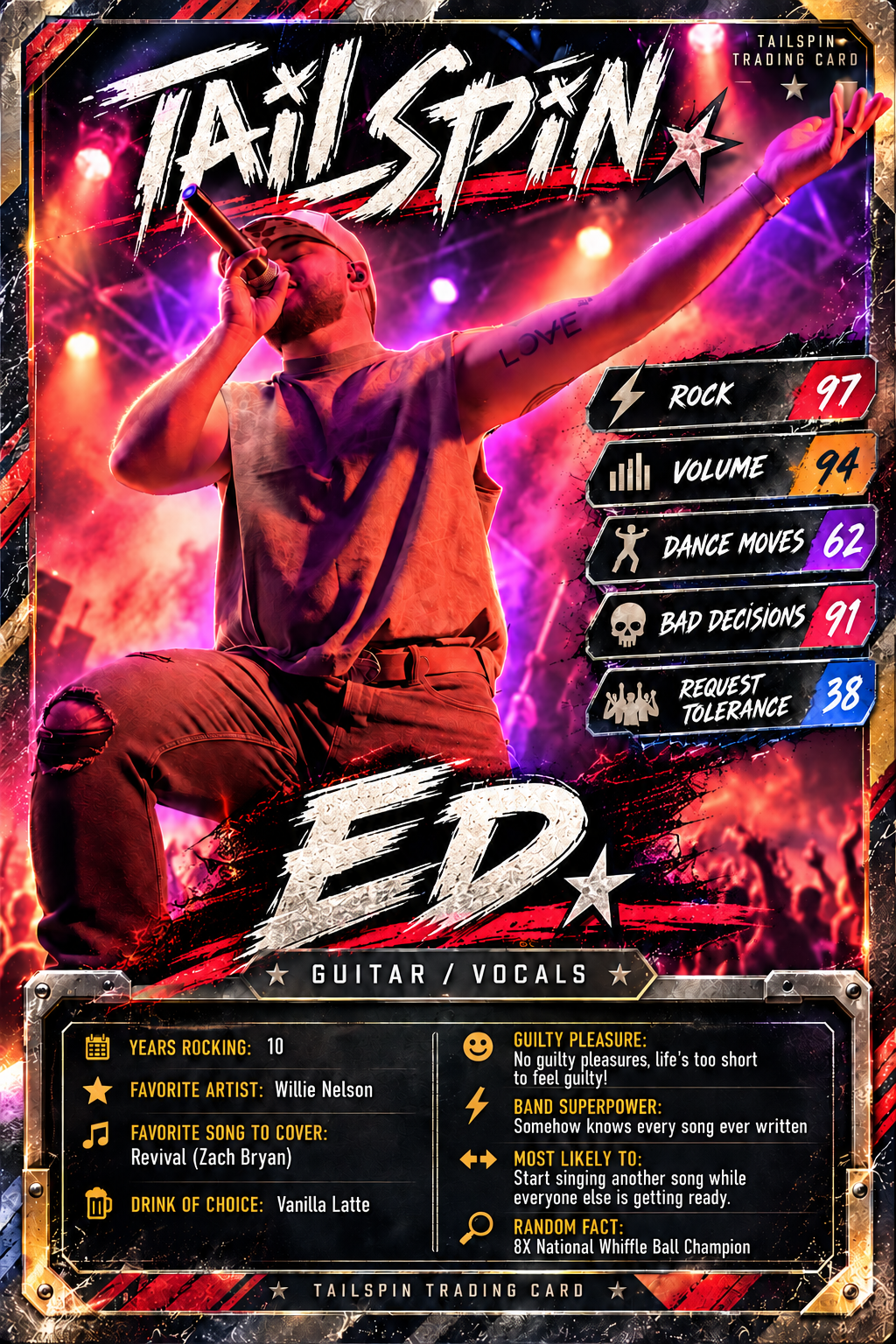
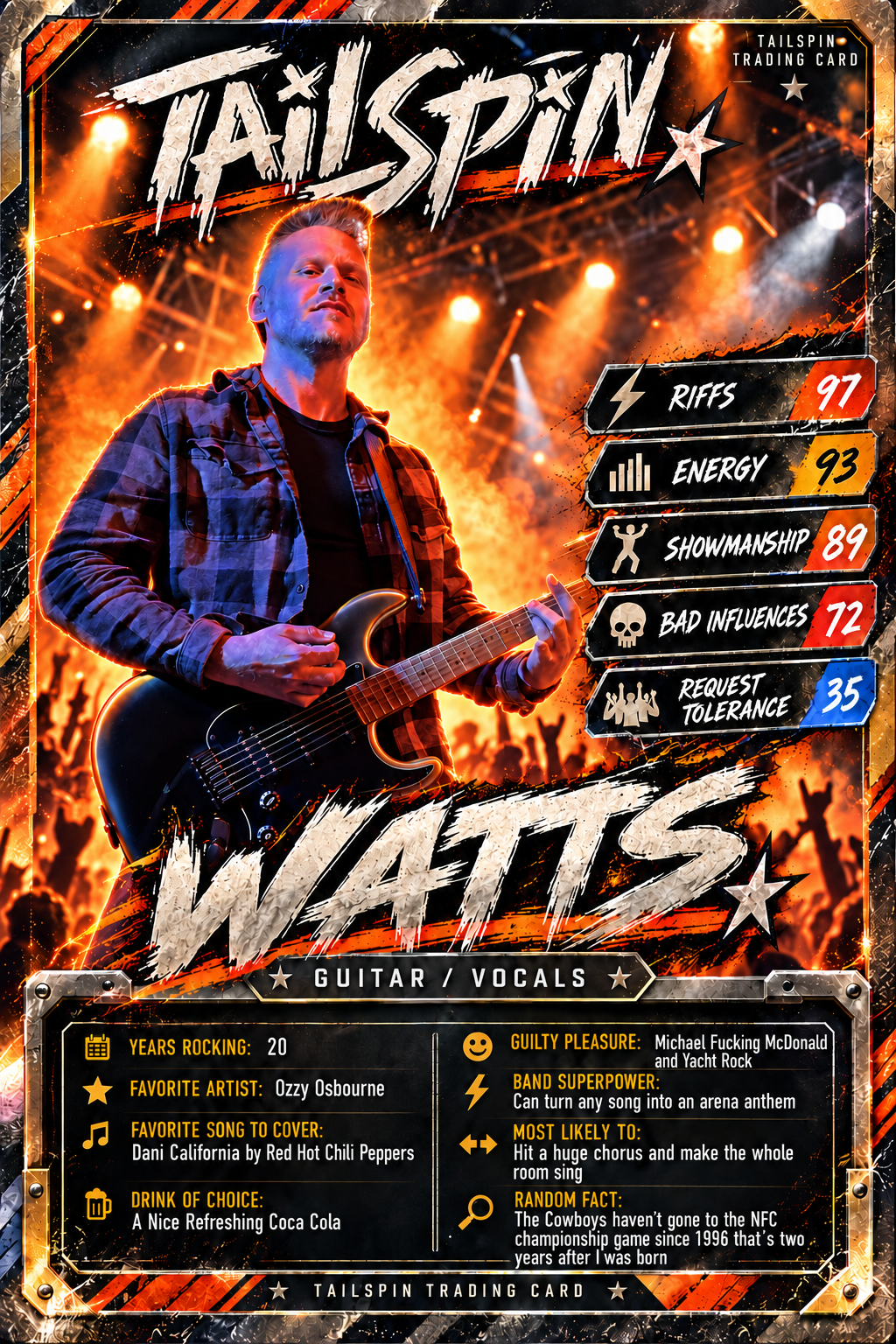
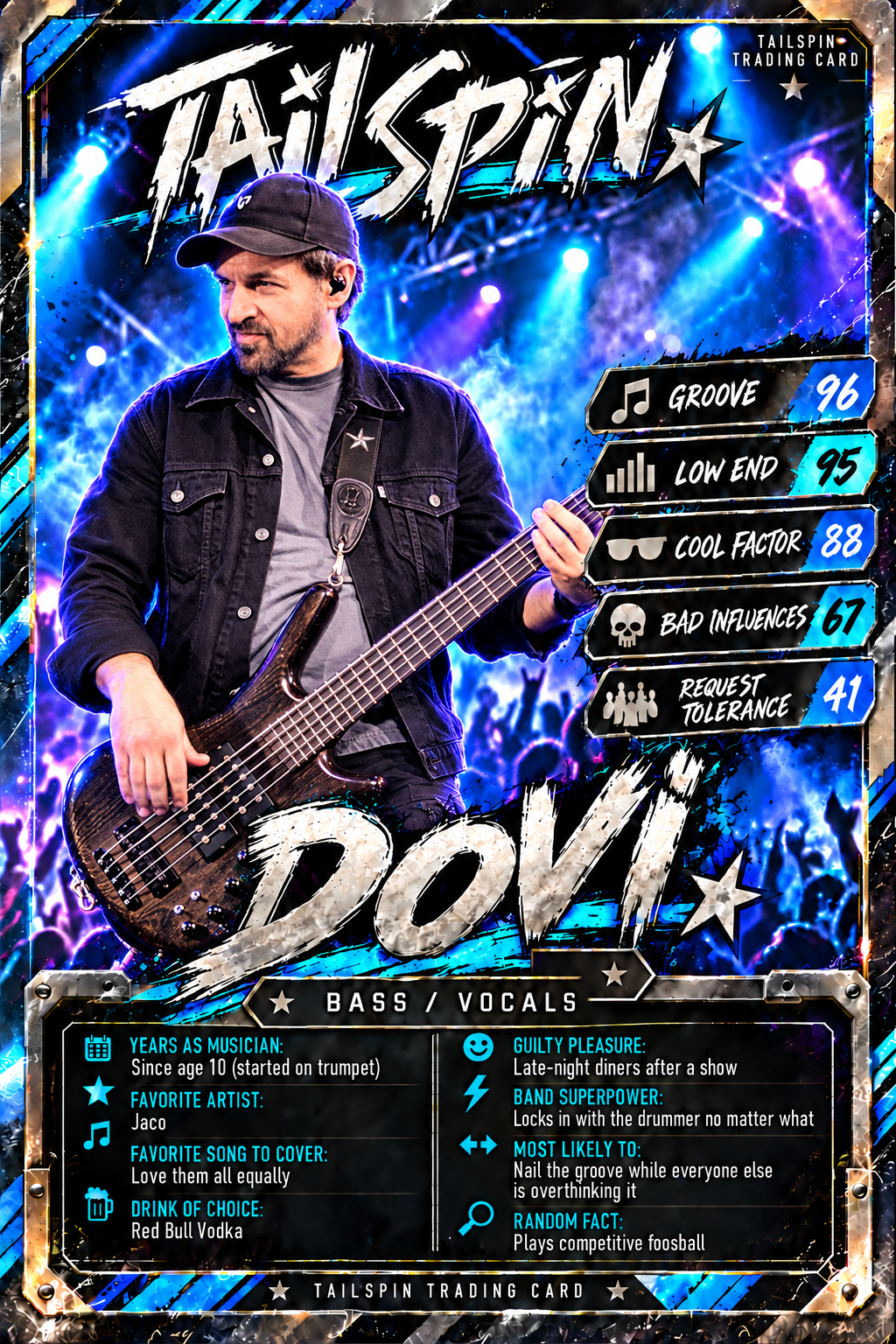
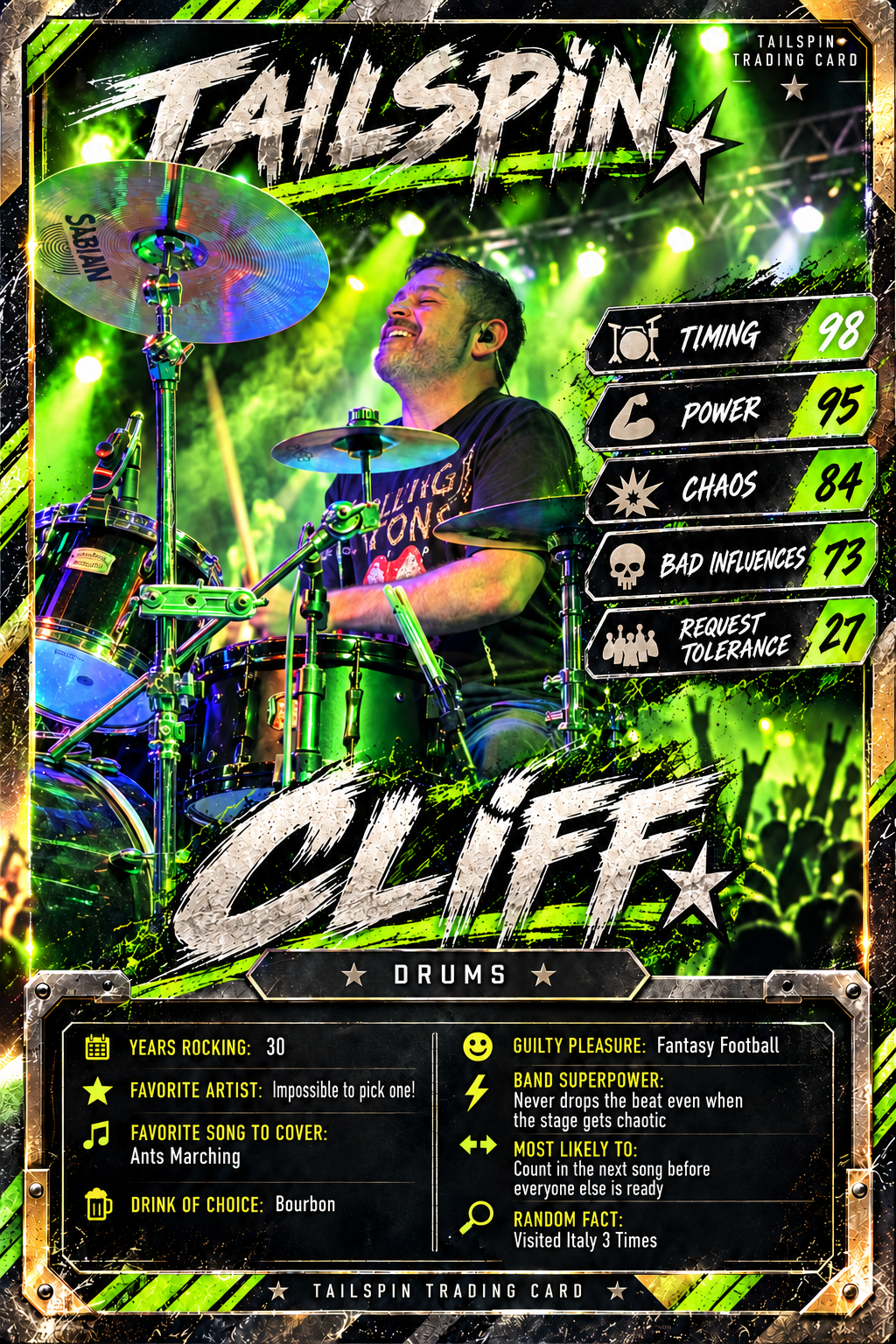
Tailspin, for example, is a Philadelphia cover band focused on hits from the 2000s, 2010s, and today. The band’s approach includes creative mashups, smooth song transitions, and concert-style sound and lighting. That profile may suit clients who want familiar modern music delivered with the energy of a live show.
It may not suit an event specifically looking for traditional jazz, acoustic background music, or a narrowly defined classic-rock format. That’s not a criticism. Good booking is about fit, not forcing every client toward the same act.
Consider the venue before promising the experience
A band’s sound and visual presentation depend partly on the room. Before recommending an act, gather the venue details that could affect the performance:
- Available performance area and its location in the room
- Guest capacity and typical audience layout
- Access for load-in and equipment movement
- Sound restrictions or neighborhood noise rules
- Power availability and venue production policies
- Lighting restrictions, ceiling limitations, or décor concerns
- Curfews and required end times
Don’t assume that a venue’s stage is large enough, that its sound system is available, or that its staff handles every technical detail. Requirements vary widely. The venue, band, and client should confirm those specifics directly before the agreement is finalized.
This is especially important for shore events in places such as Atlantic City, Wildwood, and Long Beach Island, where venues may have very different layouts and operating rules. The same conversation matters in Philadelphia hotels, suburban event spaces, bars, and private homes.
Evaluate communication as part of the booking
Talent gets attention, but communication keeps an event moving. When you’re evaluating a band for a client or venue, pay attention to how clearly the act handles practical questions.
A dependable booking conversation should make it possible to clarify:
- Performance windows and break structure
- Setup, sound check, and access timing
- Venue contacts and day-of coordination
- Production responsibilities
- Music preferences and audience expectations
- Schedule changes or special event cues
That doesn’t mean every detail needs to be decided in the first email. It does mean the band should be willing to identify what needs confirmation and keep the right people involved. For an agent, clear communication also makes it easier to set accurate expectations with the client instead of filling gaps with assumptions.

Use a simple fit test before making the recommendation
Once you’ve reviewed the act and event details, run the booking through a quick fit test. You can score each category informally from one to five:
- Audience fit: Will the music make sense for the guests?
- Energy fit: Does the band’s performance level match the event’s purpose?
- Venue fit: Can the space support the act’s presentation and production needs?
- Schedule fit: Can the performance work around meals, speeches, awards, or other programming?
- Communication fit: Can the band coordinate clearly with you, the client, and the venue?
This isn’t meant to turn live entertainment into a spreadsheet. It’s a way to spot mismatches before they become expensive or awkward. If an act scores well musically but poorly on venue or schedule fit, pause and ask more questions. If the band looks right across the board, you can recommend it with a clearer explanation of why.
Give the client a reason, not just a name
When you send a band recommendation, explain the match in practical terms. Instead of saying, “This is a great band,” try something more specific:
“This act is a strong option because the audience knows the music, the performance has a high-energy concert feel, and the band’s style should work well for a room where dancing is a priority. We’ll still need to confirm the venue’s space, access, sound rules, and event timeline.”
That kind of recommendation helps the client understand the decision. It also leaves room for responsible planning. No band can guarantee a particular crowd reaction, attendance level, or dance floor. The job is to make a thoughtful match and prepare the conditions for a strong live-music experience.
A better match makes everyone’s job easier
For booking agents and entertainment buyers, the strongest recommendations usually come from looking at the whole event: the people, the purpose, the room, the schedule, and the band’s actual presentation. Promotional materials start the conversation, but careful questions finish it.
Tailspin brings hits from the 2000s, 2010s, and today to events throughout the Philadelphia area, the Jersey Shore, and the Delaware Beaches. Think the band could fit your room or your client’s event? Inquire about booking Tailspin and share the details you’re working with.