Your wedding reception doesn’t need a complicated entertainment strategy. It does need a thoughtful one. The best music plans give the evening a clear rhythm: guests arrive and settle in, important moments get their spotlight, and the dancing has room to build naturally.
That balance takes a little more planning than handing over a playlist and hoping for the best. Whether you’re working with a live band, a DJ, or both, here’s how to shape a reception that sounds like you and moves comfortably from one part of the night to the next.
Start with the feeling you want, not just a song list
Before choosing specific songs, talk with your partner about the atmosphere you want people to feel when they walk into the reception. Do you picture an upbeat party right away, a relaxed dinner with a bigger dance set later, or a mix of both?
That answer helps guide the musical decisions that follow. A reception built around dinner conversation will need a different opening volume and pacing than a late-afternoon celebration where dancing begins soon after the introductions.
It also helps to describe your taste in practical terms. “We like recognizable songs from the 2000s and 2010s, with some older favorites mixed in” gives your entertainment provider useful direction. So does “We want a lively party, but we don’t want every moment to feel like a club.”
Map the musical moments that matter most
Make a simple list of the reception moments that need music or a cue. Depending on your plans, that might include:
- Guest arrival and cocktail hour
- Wedding party and couple introductions
- First dance
- Parent dances or other family dances
- Dinner and toasts
- First open-dance set
- Cake cutting or other traditions
- Last dance and send-off
You don’t have to include every traditional moment. The point is to identify what matters to you, then make sure the band, DJ, coordinator, photographer, venue, and other key vendors know the order.
For each special moment, decide whether you have a specific song in mind or whether you prefer a general musical direction. You may already know the exact first-dance song. For dinner or guest arrival, you might simply want music that stays warm and conversational.
Choose first-dance songs that feel personal and workable
A memorable first dance usually starts with a song that means something to the couple. It doesn’t have to be the most obvious romantic choice, and it doesn’t need to impress anybody on the internet. If the song makes you think of your relationship, you’re already on the right track.
There are a few practical questions worth asking before you settle on one:
- Does the song fit the amount of time you want to spend dancing?
- Will a live arrangement preserve the parts of the song that matter most to you?
- Would you prefer the original recording for this moment?
- Does the song’s tempo feel comfortable if you’re not experienced dancers?
Ask your entertainment provider how they handle that specific song or whether they recommend using a recording for the spotlight moment. Requirements vary by band, venue, and event format, so confirm the plan rather than assuming every song can be performed the same way.
Think about your guests without losing your own taste
A wedding reception often includes several generations, different musical backgrounds, and guests who may not agree on much beyond loving the couple. Your music should reflect you, but it should also give the room multiple ways to participate.
That doesn’t mean building a random grab bag of songs. Look for shared points of connection: familiar choruses, strong dance rhythms, and recognizable songs from different eras. A set can move from modern pop and rock to older favorites when the transitions feel intentional.
It’s also useful to separate “must play” songs from “please avoid” songs. Keep the must-play list realistic. A long list of required tracks can leave little room for the band or DJ to respond to the room. A shorter list of meaningful choices, along with clear boundaries, gives the entertainment team a better picture of your priorities.
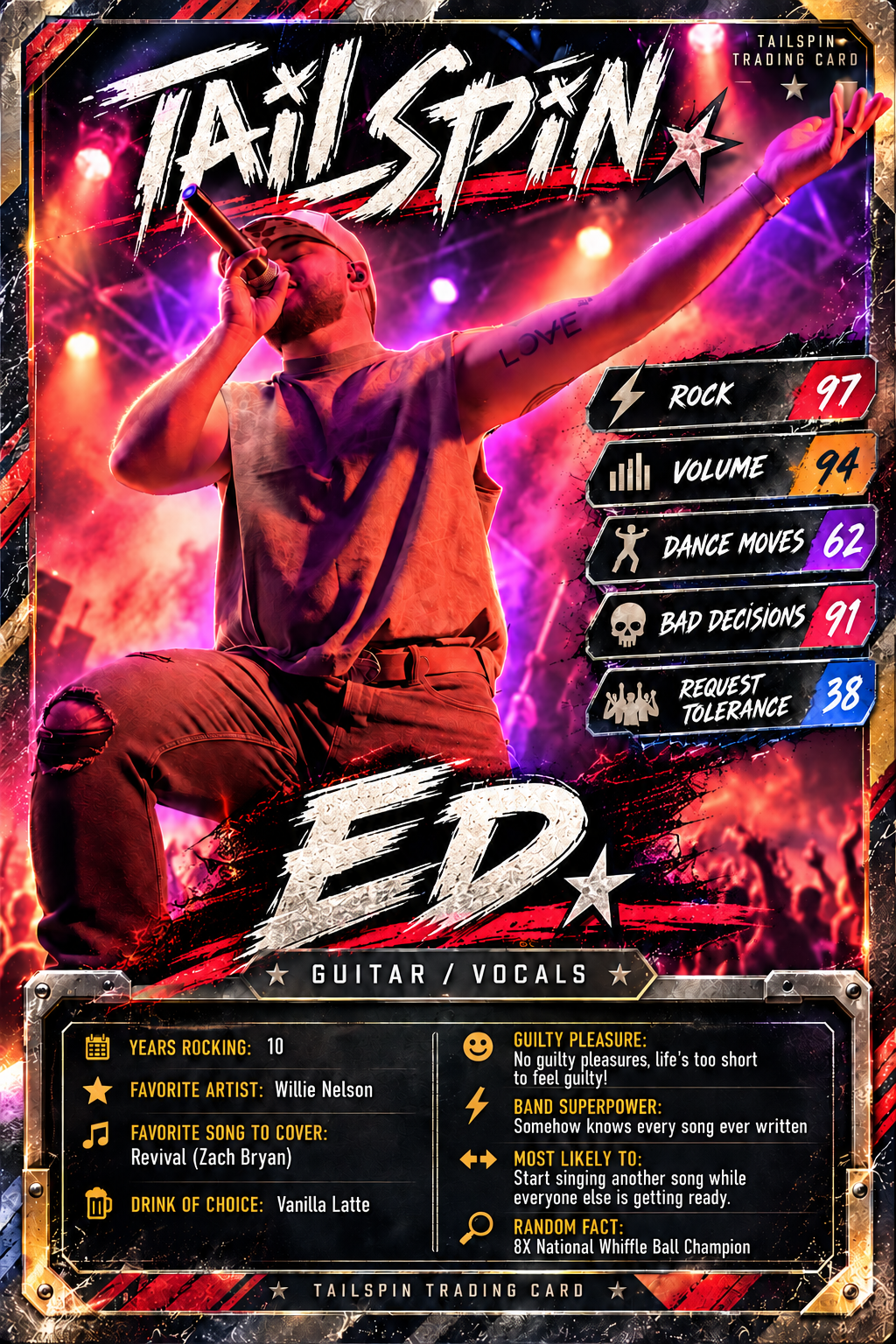
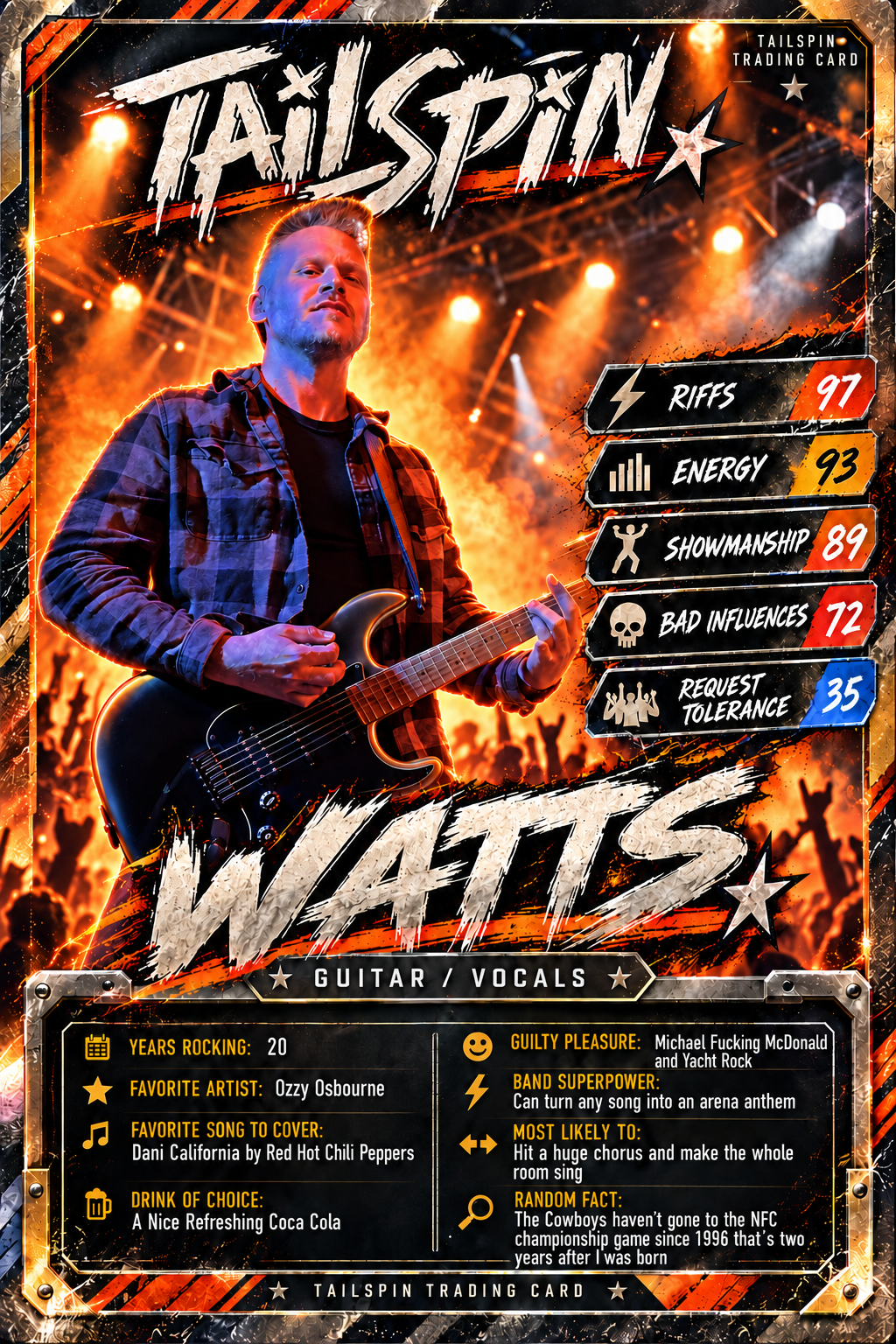
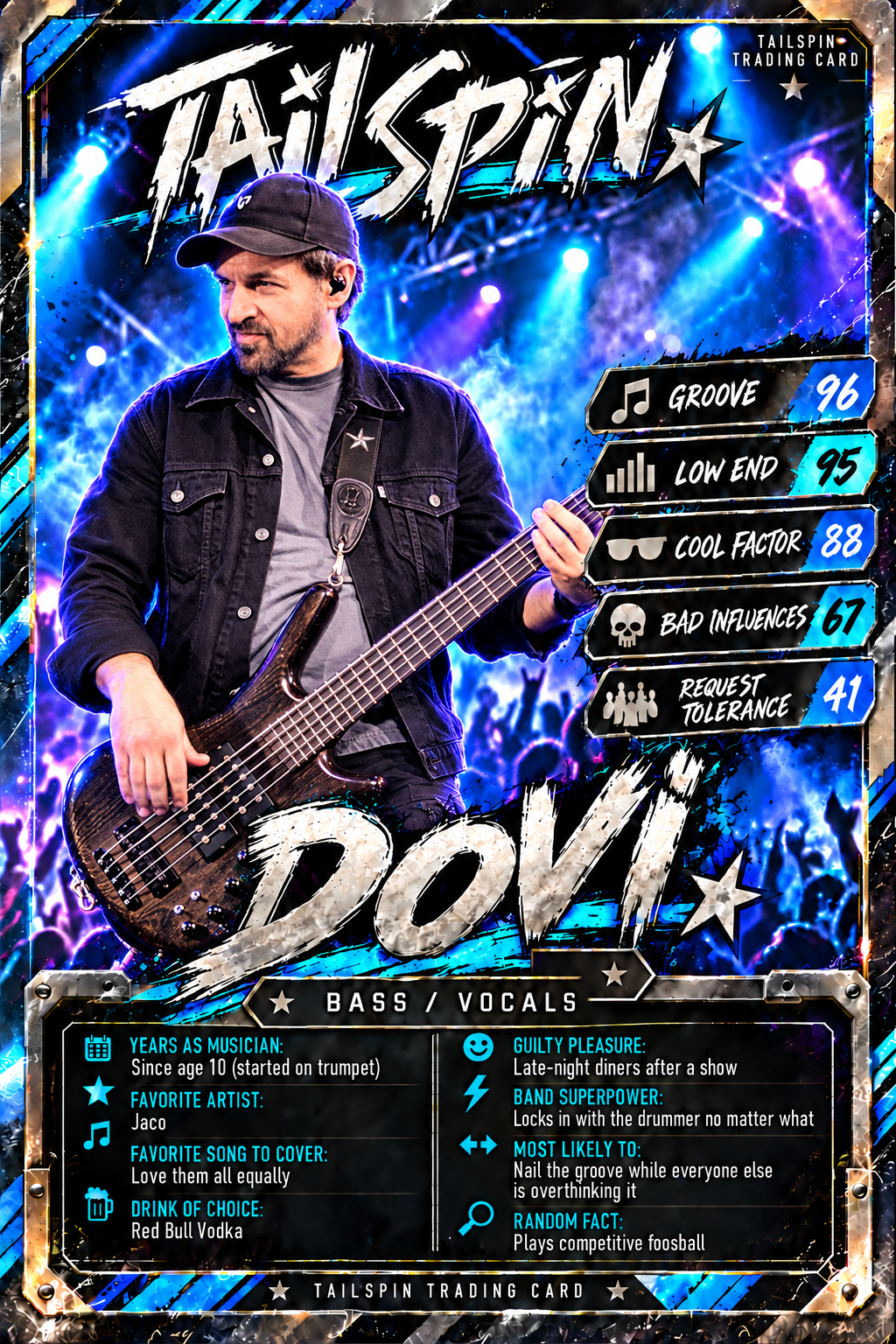
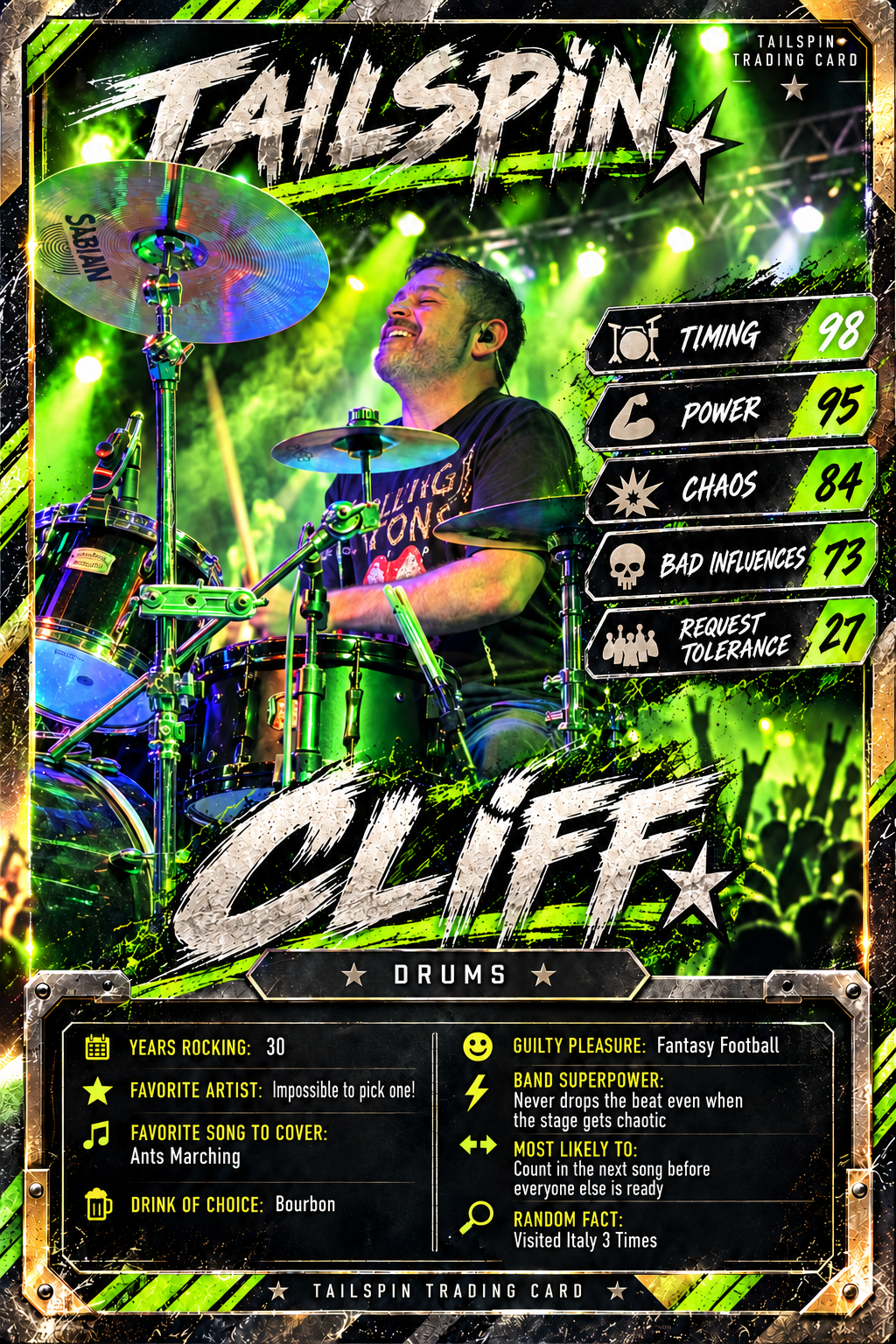
If you’re considering a live cover band, ask how the group approaches songs from different decades and styles. Tailspin focuses on hits from the 2000s, 2010s, and today, with creative mashups and smooth transitions that can connect familiar songs without making the evening feel like a series of isolated tracks.
Plan the energy curve instead of rushing to the dance floor
Many couples worry that the party has to start at full speed. It usually works better to let the energy rise in stages. Guests may want time to greet one another, find their seats, eat, and listen during the first part of the reception. Once the formalities are finished, the entertainment can invite people into a stronger dance set.
A live band can help create that arc through song order, arrangement, and transitions. A familiar opening can draw people in. A sequence of higher-energy songs can encourage more guests to join. A short pause for a toast or tradition can give the room a reset before the next set.
Talk through that shape with your band and coordinator. You don’t need to script every minute, but everyone should understand when the music should support conversation, when it should take center stage, and when formal events interrupt the flow.

Coordinate the details that guests never see
Good reception music depends on more than song choices. Share the venue’s rules and event schedule with your entertainment provider early enough for everyone to review the plan. Important questions include:
- Where will the band or DJ set up?
- Is there adequate electrical power available?
- How will guests, caterers, and vendors access the performance area?
- When can equipment be brought into the room?
- Are there venue rules about sound levels, performance hours, or amplified music?
- Where will speeches and other announcements take place?
- How much time is available for setup, sound check, and breaks?
These details vary widely. A historic venue, hotel ballroom, restaurant, and outdoor tent may all have different access, power, noise, and scheduling requirements. Confirm the specifics with the venue and the entertainment provider instead of relying on a generic wedding timeline.
Make sure the person running the reception schedule knows how to communicate with the entertainment team. A coordinator, planner, bandleader, or designated point person can help prevent the classic problem of a speech beginning while the band is preparing to start a song.
Build breaks and announcements into the plan
Live musicians need breaks, and your guests need occasional changes of pace. Breaks are easier to manage when they’re planned around dinner, toasts, dessert, or another natural transition. Depending on the band and event structure, recorded music or another approved option may cover those pauses, but confirm what’s included before you build the timeline around it.
Announcements also deserve attention. Decide who will introduce the couple, invite guests to the dance floor, announce dinner, and handle special traditions. Keep those cues clear and avoid stacking several announcements on top of one another unless there’s a good reason.
A smooth reception doesn’t mean nothing changes. It means the people responsible for the evening know how to adjust without leaving guests wondering what happens next.
Questions to ask a wedding band
When you’re comparing bands, ask questions that reveal how they’ll fit into your actual reception:
- How do you structure music around dinner, formalities, and dancing?
- How do you handle song requests and do-not-play preferences?
- How are breaks planned?
- What information do you need from the venue and coordinator?
- How do you approach transitions between songs and different parts of the evening?
- What should we provide about setup access, sound restrictions, timing, and the performance space?
Listen for specific, practical answers. You’re not only hiring musicians; you’re choosing a partner for one of the most closely scheduled parts of the celebration. A polished presentation, clear communication, and a musical style that fits your guests all matter.
Give the plan room to breathe
The strongest reception timelines are organized without feeling over-programmed. Leave a little space for guests to react, for a song to land, and for the evening to take its natural shape. Your entertainment provider can use that framework to create a set that feels lively rather than mechanical.
Tailspin brings a high-energy Philadelphia cover-band approach to weddings and other special events, combining familiar music with concert-style sound and lighting, creative mashups, and smooth song transitions. If that fits the kind of reception you’re planning, share your date, venue, schedule, and musical priorities so the conversation can start with useful information.
Want a wedding reception that feels like your kind of party? Inquire about booking Tailspin and tell us about the celebration you’re putting together.