There’s a special moment when a live band starts a song and the room recognizes it before the first verse arrives. Someone shouts the title. A few people point at their friends. Then the chorus lands, and suddenly half the room is singing.
That reaction isn’t just about nostalgia. Familiar music gives people an easy way into the night. You don’t need to know the band personally or study the setlist. You hear a few notes, connect the song to a memory, and feel ready to join in.
That’s a big part of what makes a live cover band show work. The songs already mean something to the audience, while the live performance gives them a fresh setting, a louder pulse, and a room full of people to share it with.
Recognizable songs remove the awkward starting line
At a night out, there can be a few minutes when everyone is still deciding how involved they want to be. Do you head toward the dance floor? Stay near the bar? Wait for your friends to make the first move?
A familiar song helps answer that question. When the opening sound points toward a favorite hit, people know what kind of energy is welcome. They can sing along from their table, move closer to the stage, or start dancing without needing an introduction.
This is especially useful for groups with different musical preferences. A recognizable song creates common ground without asking every person in the room to have identical taste. One guest may be there for the dancing, another for the memories, and another because the rest of the group invited them. A strong cover show gives each of them a way to participate.
Why the 2000s and 2010s connect so quickly
The music of the 2000s and 2010s sits in a useful sweet spot for many live audiences. These songs are recent enough to remain deeply familiar, but old enough to carry memories of school, first apartments, road trips, packed parties, and nights out with friends.
That era also crossed plenty of musical lanes. Pop, rock, hip-hop, dance, and electronic influences shared the same radio, playlists, and party environments. A live show can move between those sounds while keeping the audience connected through songs they already know.
“Familiar” doesn’t have to mean predictable, either. The best live arrangements preserve the part people came to hear—the chorus, hook, or signature rhythm—while giving the band room to add its own energy. That balance lets the audience feel at home without making the performance sound like a copy played through a vending machine.
Live arrangements create new moments inside old favorites
Hearing a recorded song and hearing it played live are different experiences. A recording is fixed. A live arrangement has movement. The band can stretch a section, build anticipation before a chorus, or shift the groove so the room responds physically.
Creative mashups can make that effect even stronger. When two songs share a rhythm, theme, vocal shape, or emotional lift, combining them can create a quick moment of recognition followed by surprise. The audience gets the pleasure of knowing what’s coming, then the fun of hearing the band take it somewhere else.
Good mashups aren’t just a pile of song fragments. They need a musical reason to exist. The tempos have to cooperate, the transitions need to feel intentional, and the change should serve the energy of the room. When those pieces line up, people may find themselves singing one chorus while already anticipating the next.
Transitions matter more than people realize
A live set is not only a collection of individual songs. It’s also the space between them.
A long pause can cool off a room that was just starting to move. A smooth transition, on the other hand, keeps the audience engaged while the musical mood changes. That might mean moving from one upbeat song into another without losing the rhythm, or using a familiar hook to bridge two different styles.
Thoughtful sequencing also gives the show shape. Not every song has to be played at maximum intensity. A set can rise, breathe, and build again. The goal is to create a steady series of moments that feel connected rather than a random playlist performed one track at a time.
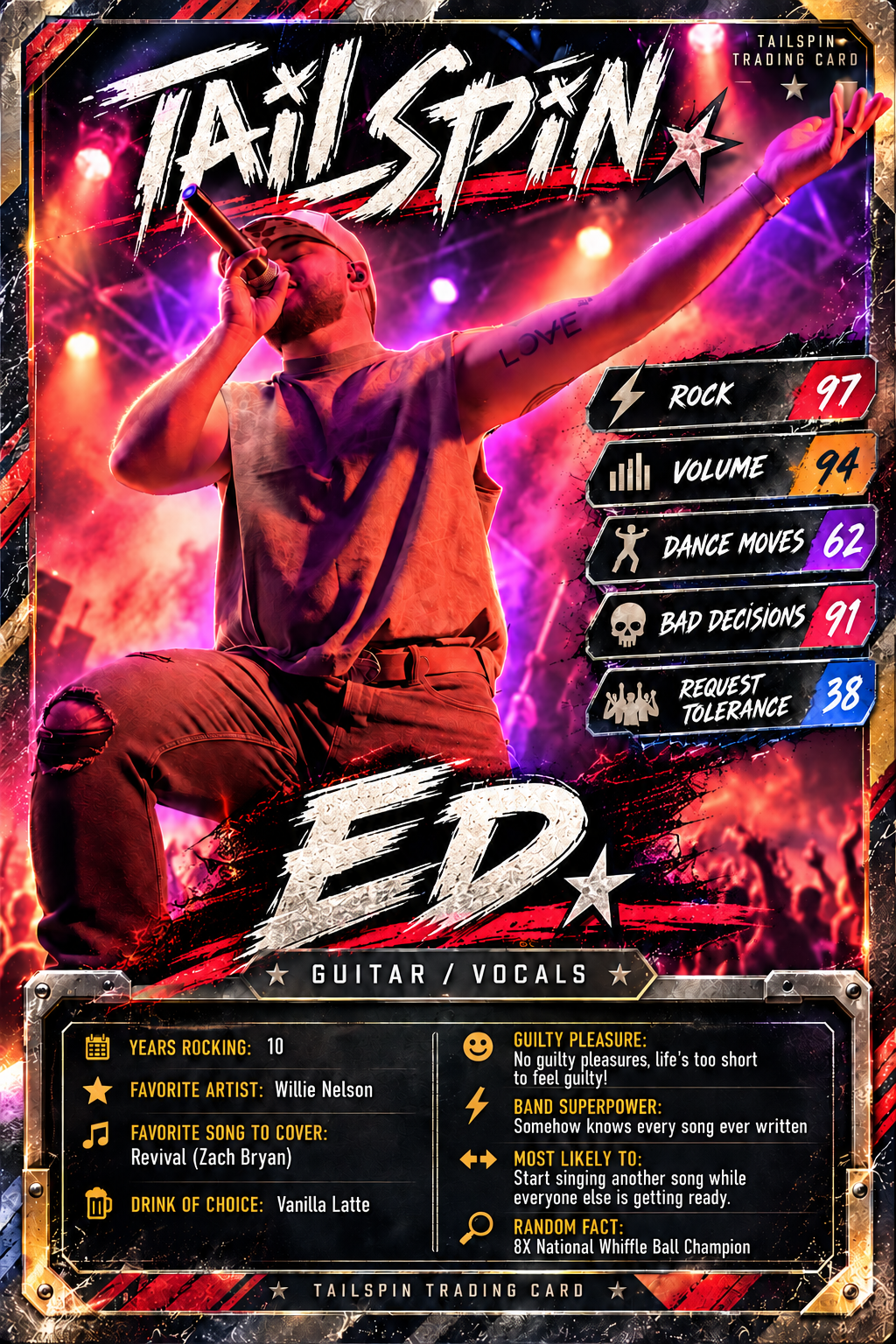
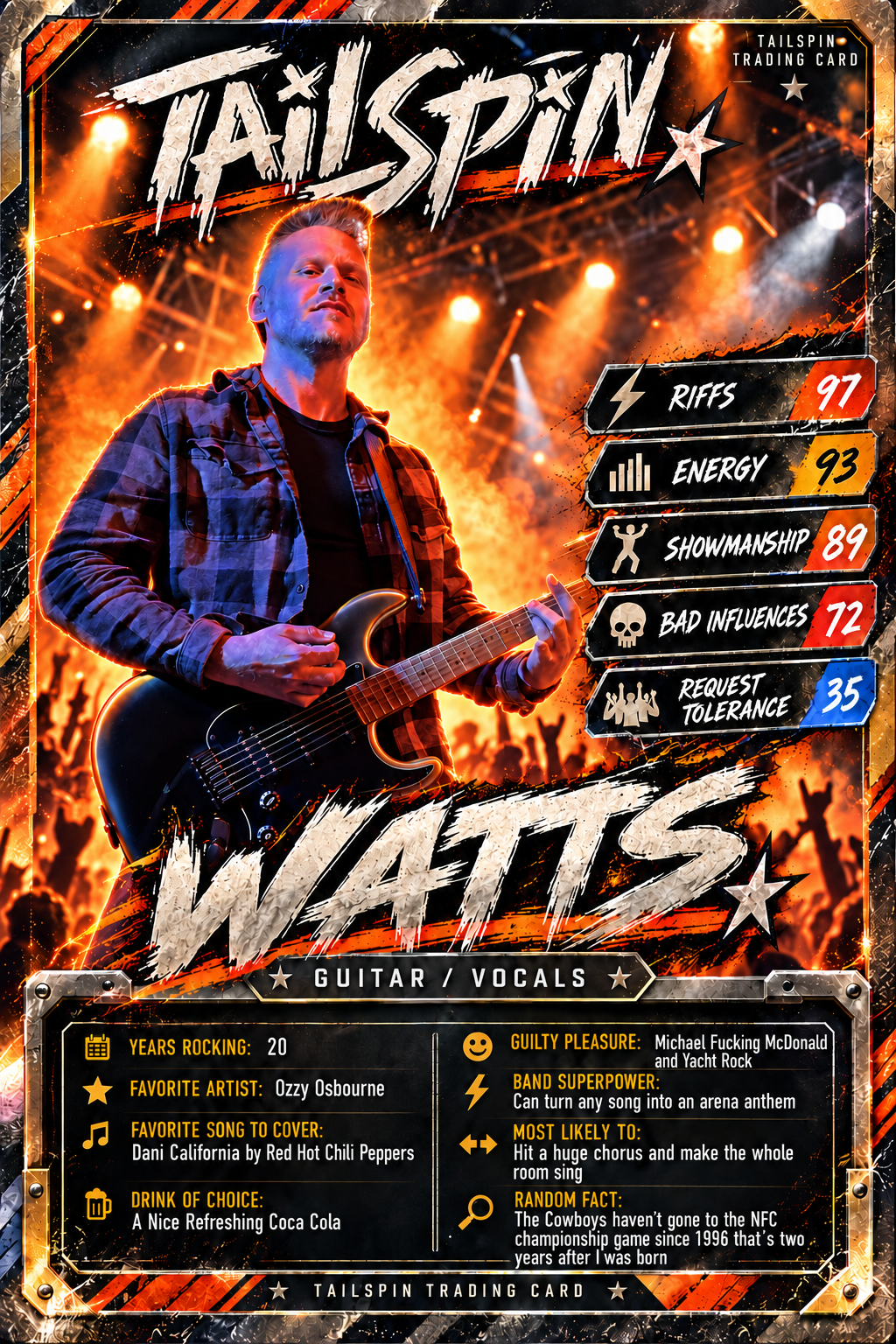
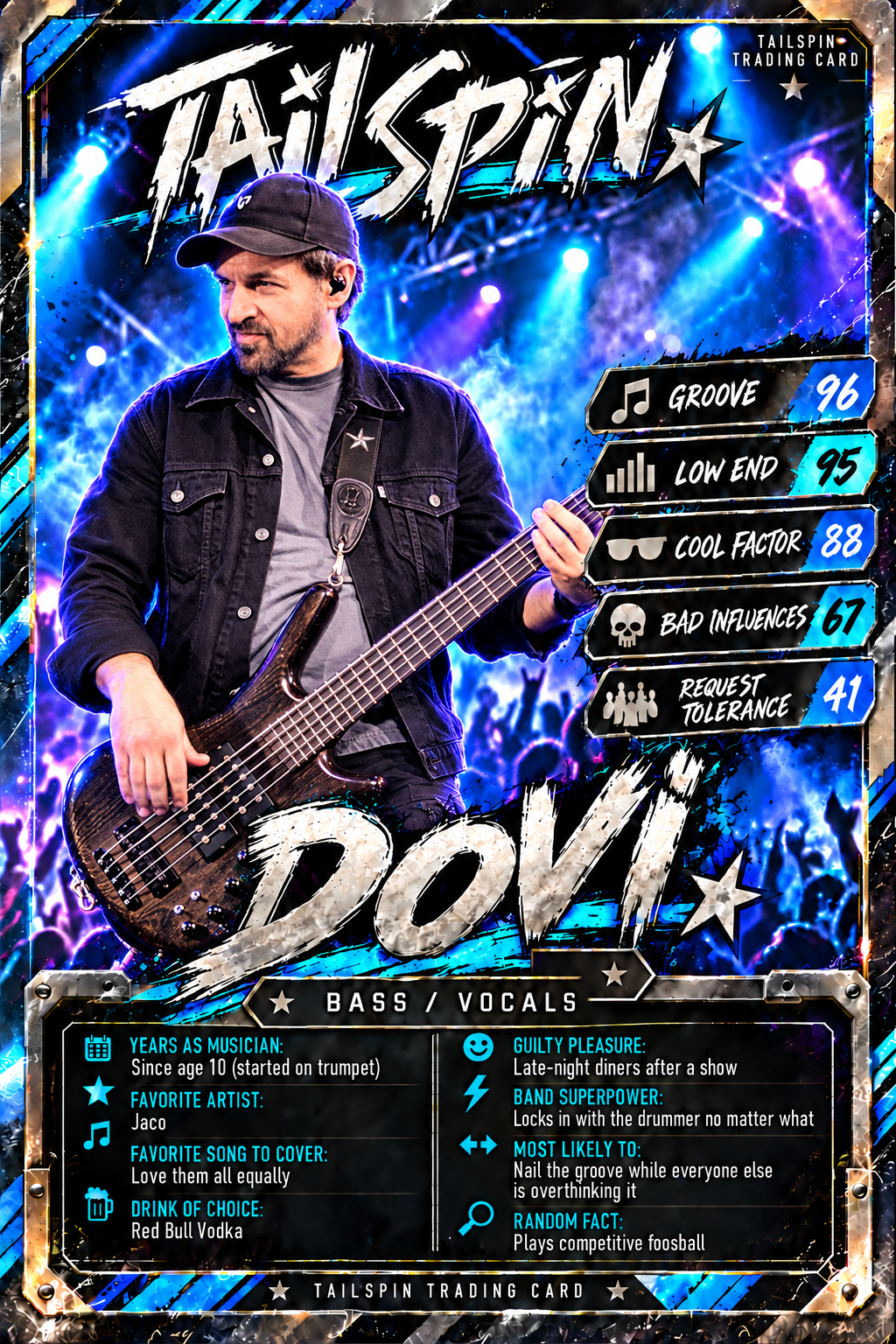
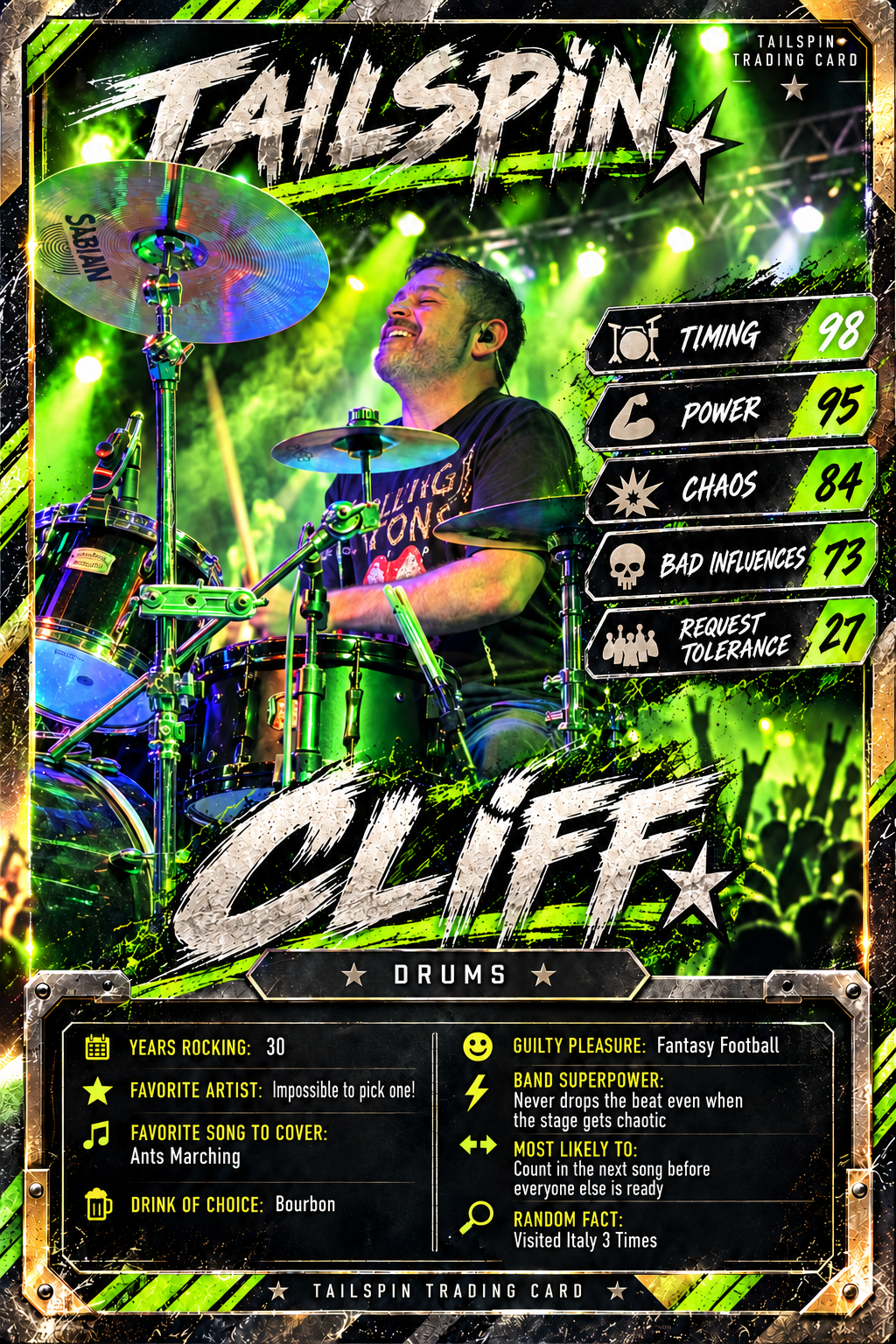
For a band like Tailspin, that approach is central to the live experience: hits from the 2000s, 2010s, and today, arranged with creative mashups, smooth song transitions, and concert-style production. The result is designed to feel like a live event, not background music with people standing in front of it.

The room becomes part of the performance
There’s a reason sing-along moments feel bigger in a crowded room. Hearing other people respond changes the way you experience the song. A chorus isn’t coming only from the stage anymore; it’s coming from friends, strangers, and the person two tables away who somehow knows every word.
That shared response can make a familiar song feel new. You may have heard it hundreds of times, but you haven’t heard this particular room sing it tonight. You haven’t watched your friend abandon a perfectly reasonable conversation to get on the dance floor. You haven’t seen a whole crowd recognize the same musical cue at exactly the same time.
This is where stage presence matters. A band doesn’t need to turn every second into a spectacle. It does need to communicate confidence, stay connected to the audience, and make the performance feel active. Musicians who look engaged help the room stay engaged too.
Production supports the feeling without replacing the music
Sound and lighting can shape how a live show feels, but production works best when it supports the songs instead of distracting from them. Clear sound helps vocals, hooks, and instrumental parts reach the room. Concert-style lighting can mark a transition, emphasize a big musical moment, and make the stage feel like the center of the night.
The right balance depends on the venue. A nightclub may welcome a more immersive presentation, while a wedding or private event may need the production to fit around conversations, announcements, and the overall schedule. Either way, the equipment and visual choices should help the audience understand where to focus and when the energy is building.
How to make the most of a live cover show
- Invite people with different tastes. A group doesn’t need identical playlists to enjoy a familiar, varied live set.
- Arrive ready to participate. You don’t have to rush the stage, but singing along or moving closer can change the night quickly.
- Listen for the transitions. The fun may be in how the band connects two songs, not only in the songs themselves.
- Let the night develop. A show can begin with people watching and end with the whole room involved.
- Check the band’s current schedule before making plans. Show details can change, so use the band’s official website for the latest information.
There’s still room for surprise in familiar music
The appeal of a cover band isn’t simply that the audience knows the words. It’s that known songs create a shared starting point, and live musicians can build something new from there.
That combination—recognition, movement, and a little surprise—is why a room can go from casually listening to singing together in the space of one chorus. Whether you’re heading out with friends in Philadelphia, planning a summer night at the Jersey Shore, or just looking for a reason to leave the house, a good live show gives familiar music a fresh set of memories.
Ready to hear your favorites with a room full of people singing along? Check Tailspin’s upcoming shows and come hang with the band.