Requesting a quote from a live band should be simple. You share a few details, the band learns what you’re planning, and both sides can figure out whether the event is a good fit.
The trouble is that “How much for a band?” doesn’t give an entertainment provider much to work with. A wedding reception, a company holiday party, a shore-town celebration, and a nightclub set may all involve live music, but they can have very different schedules, audiences, spaces, and technical requirements.
You don’t need to write a novel before reaching out. A clear first message with the information below can make the conversation faster and more useful.
Start with the basics: date, location, and event type
The first details a band will usually need are straightforward:
- Event date: Include the day, month, and year.
- Venue or general location: A venue name is helpful, but a city or region is a fine starting point if the venue isn’t booked yet.
- Event type: Mention whether it’s a wedding, corporate event, private party, fundraiser, bar or nightclub show, or another kind of gathering.
- Expected guest count: An estimate helps everyone think about the room, sound, and overall scale.
If your date is flexible, say so. If the venue is still being selected, say that too. Being upfront about what’s confirmed and what’s still in progress prevents confusion later.
Explain what you want the music to do
Two events with the same guest count can need completely different entertainment. One client may want a dance-focused celebration. Another may want music that supports conversation during dinner and builds toward a more energetic finish. A bar manager may be looking for a high-energy act that fits a late-night crowd.
Describe the role you want the band to play. Useful phrases might include:
- “We want the reception to become more dance-focused after dinner.”
- “The band will be part of an employee celebration with a short program and several speeches.”
- “We’re planning a nightlife event for guests who know current pop and rock hits.”
- “We want live music for a relaxed private party, with a livelier final portion.”
These aren’t rigid instructions. They give the band a feel for the night you’re trying to create and help them explain how their approach may fit.
Share the schedule, including the parts between songs
A live band needs to know more than the advertised start time. Include the major pieces of the event schedule, such as:
- Guest arrival or cocktail time
- Dinner or meal service
- Speeches, presentations, awards, or announcements
- Special dances or planned moments
- When you want dancing or the main performance to begin
- Venue end time or any required music cutoff
You don’t need to have every minute finalized before making an inquiry. Even a rough timeline helps the band understand whether music will be continuous, divided into sets, or built around other event activities.
It’s also worth identifying who will manage announcements and schedule changes. That might be an event planner, venue coordinator, company representative, or another designated person. Clear communication becomes especially valuable when a presentation runs long or dinner service takes a little more time than expected.
Describe the audience without trying to predict every song
Audience information helps a band understand the room. Share the general age range, whether guests are employees and clients or mostly friends and family, and what kinds of music tend to get people involved.
You might mention that the crowd enjoys recognizable hits from the 2000s, 2010s, and today, or that guests have a strong preference for pop, rock, dance, or a blend of styles. You can also point out whether different generations will be attending.
You don’t need to build a perfect playlist before contacting a band. In fact, broad guidance is often more useful at the beginning. The important question is whether the band’s musical identity matches the people in the room.
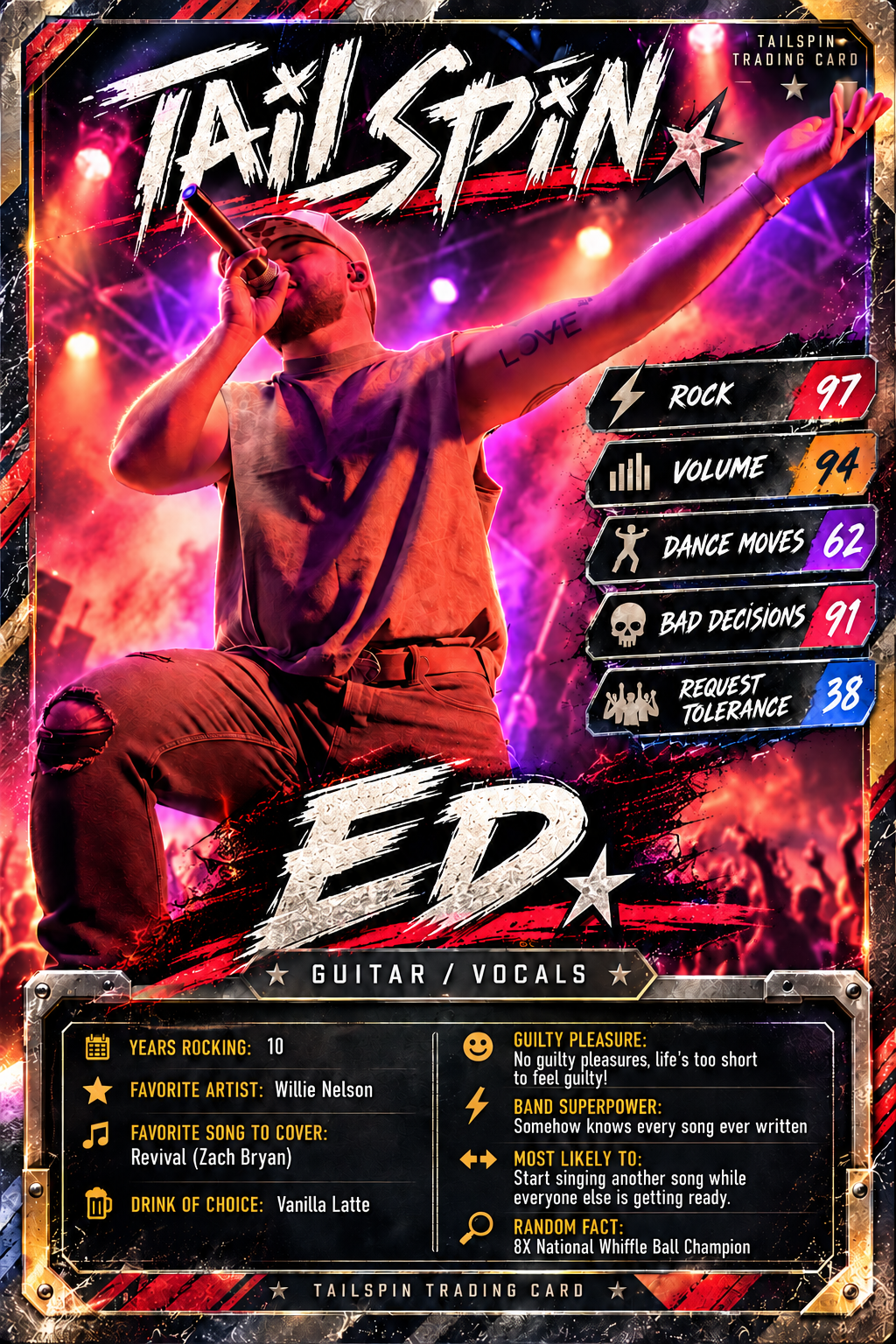
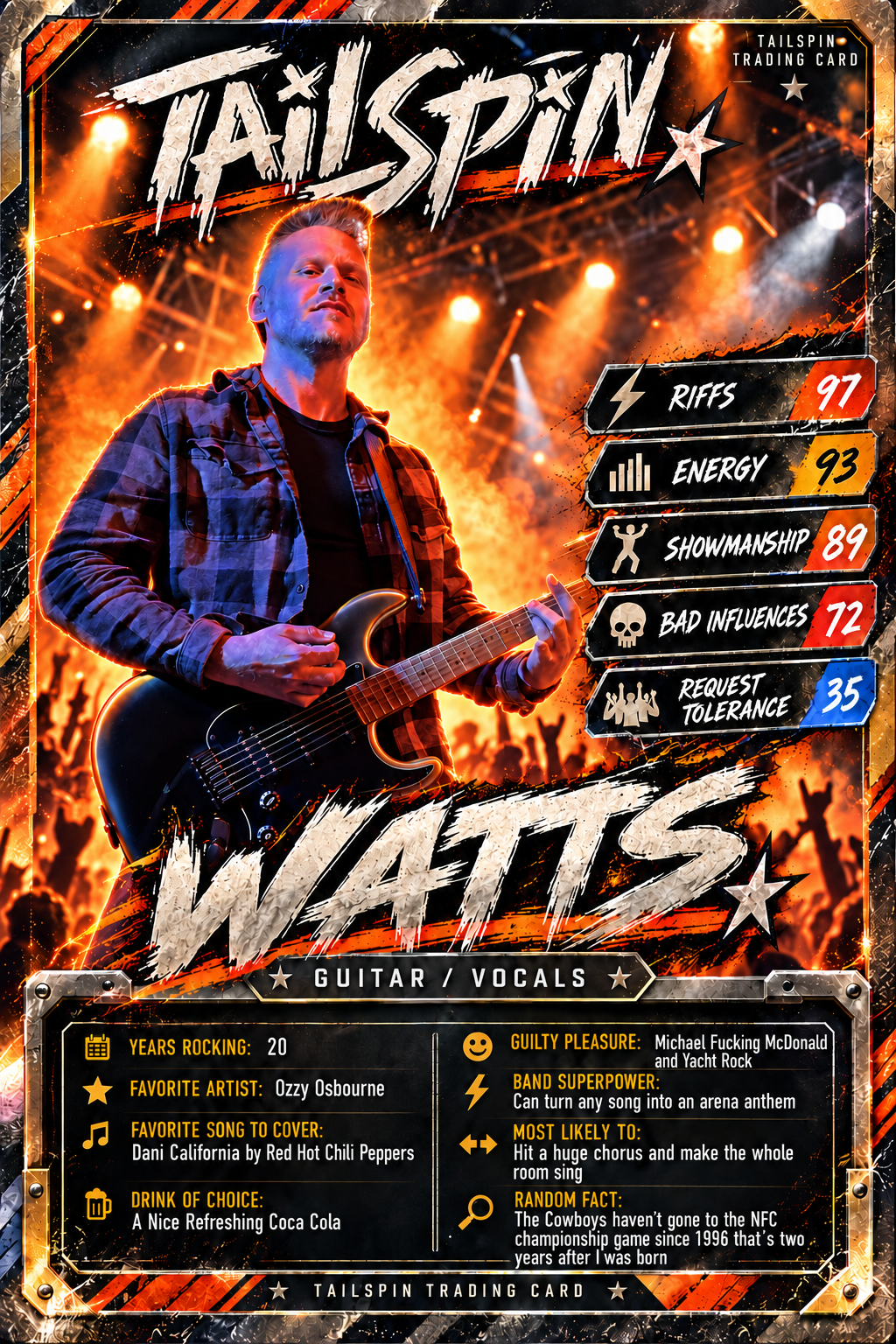
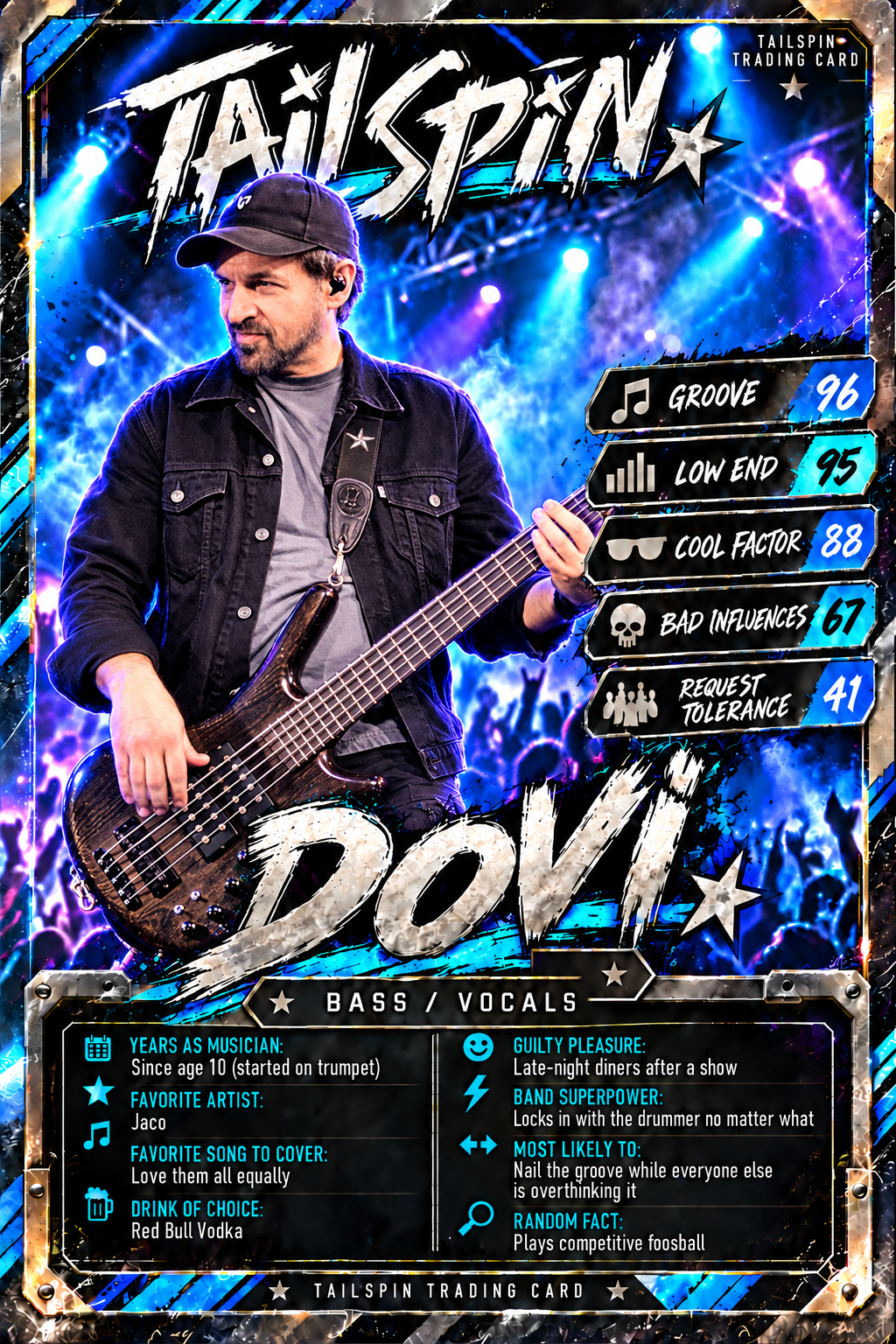
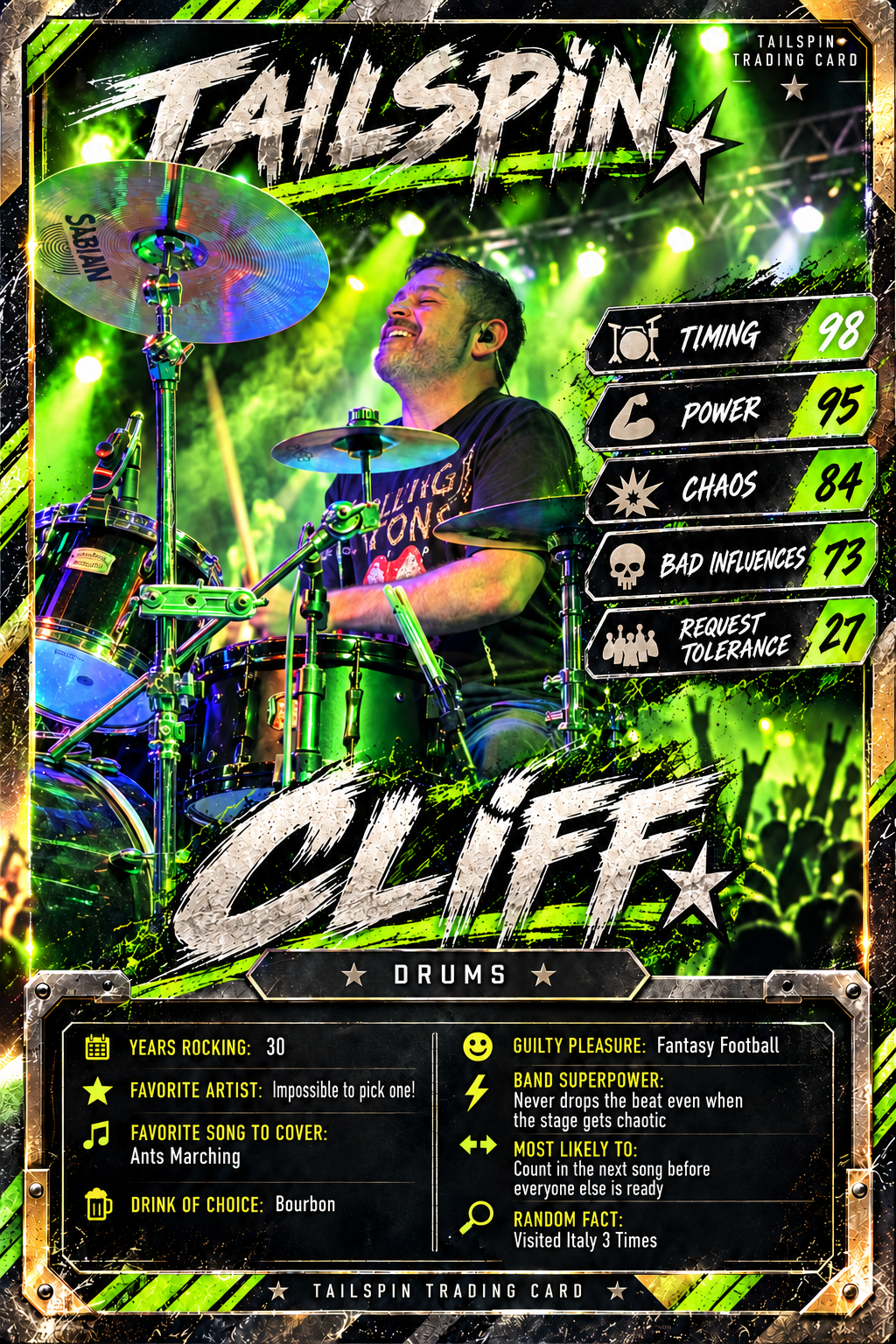
Tailspin brings a high-energy approach to familiar music from the 2000s, 2010s, and today, using creative mashups and smooth transitions to keep the performance moving. That can be useful context when you’re deciding whether the band’s style fits your audience, whether the event is in Philadelphia, the surrounding suburbs, or a shore community.
Ask the venue about the room before you ask the band about the stage
Many event details depend on the venue, not the band. Before requesting a quote, ask the venue what it allows and what it requires. Questions may include:
- Where can live music be set up?
- How much space is available for the performers?
- Are there sound limits or a required music cutoff?
- Is there a designated load-in entrance?
- How far is the performance area from parking or the loading area?
- What power access is available near the performance area?
- Does the venue require insurance documentation or other paperwork?
- Are there restrictions on lighting, volume, fog, haze, or other production elements?
Share the venue’s answers with the band rather than assuming every room works the same way. A historic venue, hotel ballroom, outdoor event space, and nightclub can each present different logistical questions.
The band and venue should confirm the exact requirements together. Your job is to connect the right people and make sure important restrictions don’t remain hidden until event week.
Be clear about timing, access, and event-day logistics
Include any information that affects how the performance fits into the day. For example, tell the band whether the event is indoors or outdoors, whether the performance area is on a different floor, and whether guests will already be in the room during setup.
Ask the venue about access windows, but don’t assume those details are the same as the band’s setup needs. The venue may control when vendors can enter, while the band determines how much time it needs for setup and sound check. Those details should be confirmed directly with the appropriate providers.
If the event has a tight schedule, mention that early. A band can then discuss realistic transitions between load-in, sound check, guest arrival, dinner, speeches, and performance time.
Tell the band about special requests and firm boundaries
If there are songs, styles, traditions, or moments that matter to you, mention them during the inquiry. You can also share anything you want to avoid. That might include a music style that doesn’t suit the event, a strict volume limitation, or a request for the band to pause during a presentation.
Keep the distinction clear between preferences and requirements. “We love modern pop and rock” gives useful direction. “The event must end with all music off by a specific time” is a firm logistical requirement.
Any requested song or special arrangement should be discussed with the band rather than assumed. Every act handles requests differently, and the band should be the one to confirm what it can provide.
Ask focused questions after you share the information
Once the band understands the event, a few practical questions can move the conversation forward:
- Does the band’s style fit the audience and type of event?
- How does the band typically structure its performance for this kind of schedule?
- What does the band need from the venue?
- How are breaks handled?
- Who will coordinate timing and event-day communication?
- What information should be confirmed with the venue before booking?
- Are there musical preferences or production questions the band needs clarified?
Some answers depend on the specific event, venue, and agreement, so treat an initial conversation as the beginning of the planning process—not a substitute for written confirmation.
A simple message you can use
Here’s a useful structure for your first inquiry:
- Introduce yourself and the organization or hosts.
- Share the date, venue, location, and event type.
- Give the expected guest count and audience description.
- Explain the atmosphere and role you want the music to play.
- Include the rough schedule and any firm end time.
- List known venue restrictions or access details.
- Share important music preferences or special moments.
- Ask what additional information the band needs to prepare next steps.
That message gives the band something useful to evaluate without forcing you to solve every production detail in advance. It also helps reveal whether the band communicates clearly and asks thoughtful follow-up questions—both important qualities when you’re trusting someone with a major part of your event.
Make the first conversation count
The best booking conversations are specific but not complicated. Bring the date, location, event purpose, audience, schedule, and venue information you have. Be honest about what’s still undecided. Then let the band explain what it needs to know.
For events throughout the Philadelphia area, the Jersey Shore, and nearby regions, inquire about booking Tailspin with your event details. We’ll have a much better starting point when we know what you’re planning and what you want the room to feel like.