When you’re booking a live band, the music usually gets the spotlight first. That makes sense. You want a performance with recognizable songs, strong musicianship, and enough energy to keep people engaged.
But the way a band sounds and looks in the room matters just as much. A great song can lose its impact if the vocals disappear, the mix feels harsh, or the stage is so dim that the performance becomes background noise. Production isn’t about making an event flashy for the sake of it. It’s about helping the audience experience the music clearly.
Here’s what venue managers, event planners, and entertainment buyers should ask about sound and lighting before booking a live band.
Start with the room, not the gear list
It’s tempting to begin with technical terms and equipment specifications. Those details can matter, but they’re only useful in context. The first question is whether the band’s approach fits your venue and event.
A live music setup for a crowded nightclub may need to work differently from one for a corporate celebration, private party, or wedding reception. Room size, ceiling height, layout, audience position, nearby dining areas, and the event schedule can all affect how sound and lighting should be handled.
Ask the band or booking representative questions such as:
- How do you approach production for different room sizes?
- What information do you need about the venue before confirming the performance?
- How should the stage or performance area be positioned in relation to guests?
- Are there venue rules about sound levels, lighting, access, or load-in?
- What should the venue or planner provide, and what does the band coordinate?
Requirements vary by act, venue, and event, so don’t assume that one band’s setup will work exactly like another’s. The goal is to start a practical conversation early enough to avoid surprises.
What good live sound should accomplish
Live sound isn’t simply about making the band loud. A well-managed mix helps the audience hear the parts of the performance that make the songs connect: lead vocals, harmonies, rhythm, melodies, and the overall drive of the band.
For a cover band, clear vocals are especially important. Familiar choruses are one of the easiest ways for a room to participate, whether guests are singing from the dance floor or quietly recognizing a favorite song from their table. If the vocal sits too low in the mix, that connection disappears.
At the same time, sound should suit the event. A nightclub audience may expect more intensity, while a corporate event or wedding may need room for announcements, dinner, conversation, and a range of age groups. Volume is part of the planning conversation, not a detail to leave until the band arrives.
Questions to ask about sound
- How do you balance performance volume with the needs of the room?
- How are sound checks handled before guests arrive?
- Who is responsible for managing the live mix during the performance?
- How do you coordinate with a venue’s in-house sound team, if one is available?
- How will speeches, announcements, or other scheduled moments fit around the performance?
You don’t need to know every technical term to get useful answers. A dependable entertainment partner should be able to explain the plan in plain English and identify any information they need from you.
Why lighting changes the audience’s experience
Lighting helps define where the audience should look and what kind of atmosphere the event has. A performance area that is clearly visible feels more intentional than a band standing in a dark corner. Lighting can also help shift the mood from dinner or conversation toward dancing and full-band energy.
That doesn’t mean every event needs a giant spectacle. The right approach depends on the room, the event style, and the desired atmosphere. A polished corporate celebration may call for a clean, professional look. A late-night club setting may support a more dynamic visual presentation. A wedding reception needs lighting that complements the celebration without competing with the people in the room.
When reviewing a band’s promotional materials, look for more than whether the lights appear bright. Notice whether the performers are visible, whether the lighting changes with the music, and whether the overall presentation feels organized rather than random.
Lighting questions worth asking
- What kind of visual atmosphere does your production create?
- How does the lighting work in a smaller room or unusual performance space?
- Can the setup work alongside venue décor, branded elements, or wedding lighting?
- Are there timing or access considerations for installing and checking the lighting?
- Are there venue restrictions that should be reviewed before booking?
As with sound, the details depend on the provider and the venue. Ask for a clear overview instead of assuming that “concert-style lighting” means the same thing to everyone.
Use videos carefully when comparing bands
Performance videos can give you a useful first impression, but they need to be viewed critically. Camera microphones and phone recordings don’t always represent what the audience heard in the room. A video can still help you evaluate stage presence, musical energy, transitions, and how the production supports the performance.
As you watch, consider these points:
- Can you see the performers clearly, or is the stage mostly lost in darkness?
- Do the vocals remain understandable when the full band is playing?
- Does the lighting add energy without distracting from the musicians?
- Do transitions between songs feel smooth, or does the momentum stop repeatedly?
- Does the presentation fit the kind of event you’re planning?
Try to watch more than one clip if possible. One short video may capture an unusual room, a single song, or a particularly dramatic moment. A broader sample gives you a better sense of the band’s typical approach.
Plan the production conversation before the contract
Once you’re seriously considering a band, gather the information needed for a realistic production discussion. That may include the venue address, performance area, guest count, room layout, event timeline, access instructions, sound restrictions, and the location of speeches or other programmed moments.
You should also confirm how the band’s setup fits into the broader schedule. Ask when the performance area needs to be available, when sound checks occur, and how breaks or announcements are handled. Exact setup times, power needs, and stage requirements vary, so they should come directly from the band and venue rather than from a generic checklist.
Share the venue’s rules early. If the room has sound limits, restricted access, a tight load-in window, or strict end times, those details can affect the entertainment plan. Early communication gives everyone a chance to solve problems while there’s still time to adjust.

How Tailspin approaches the live presentation
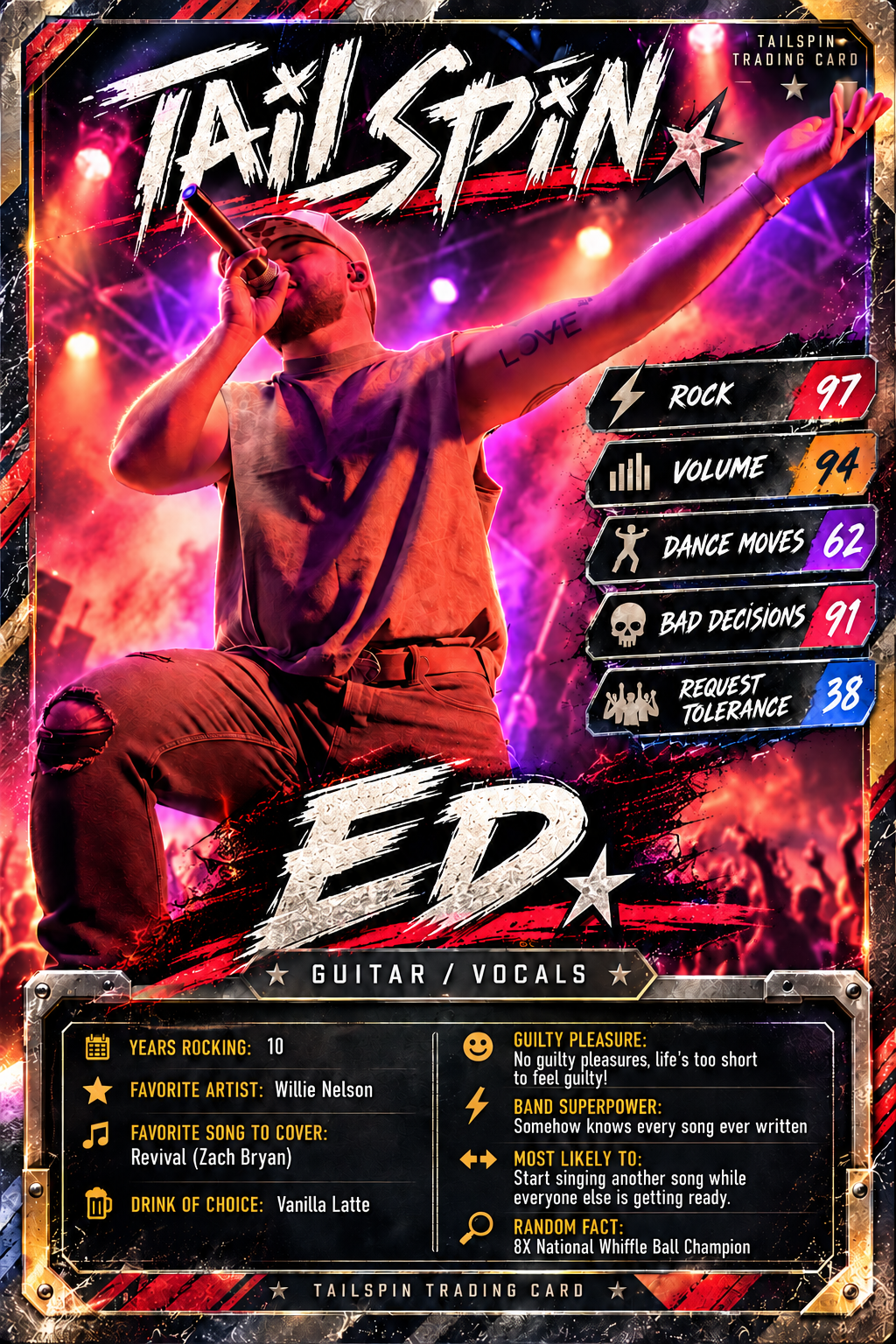
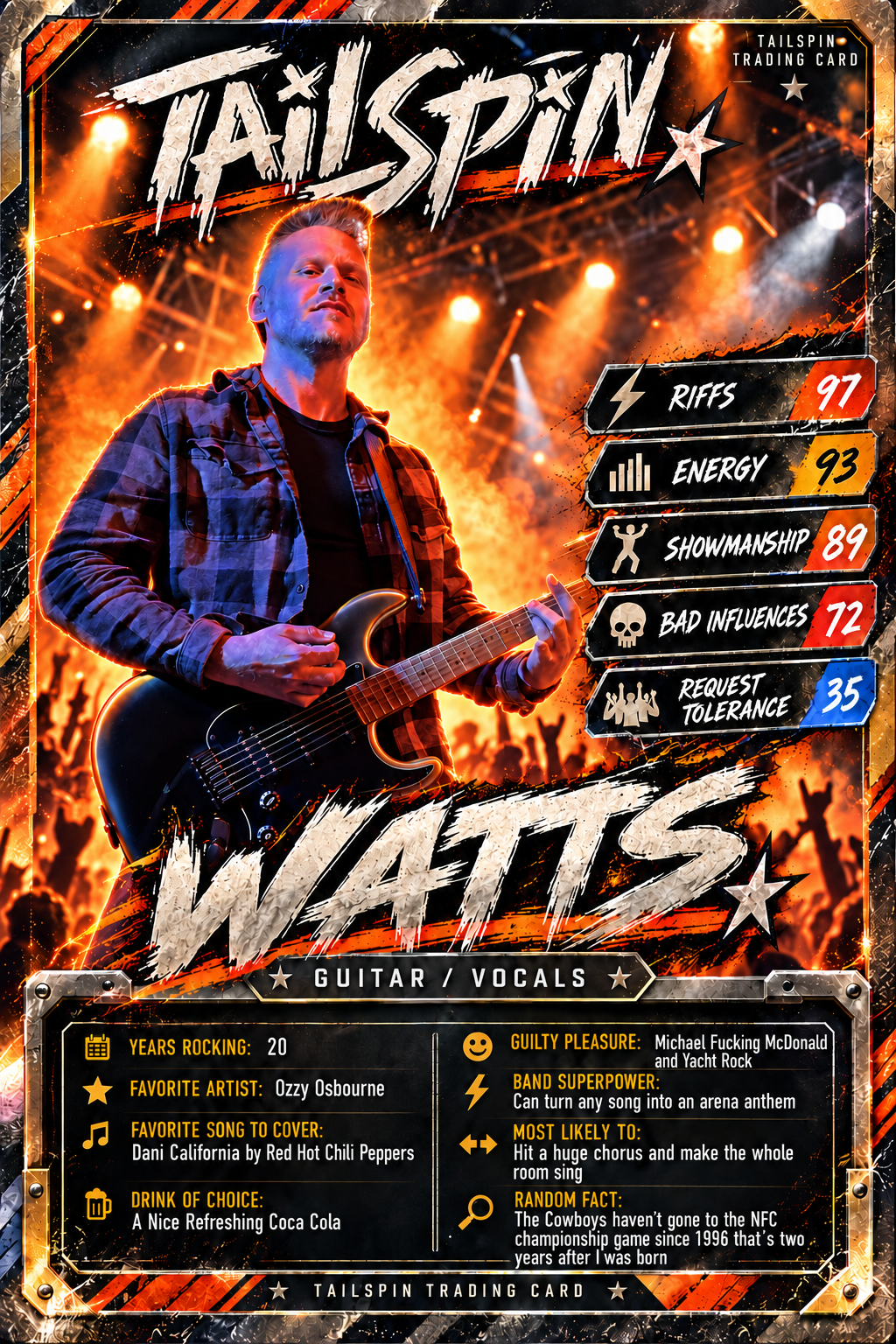
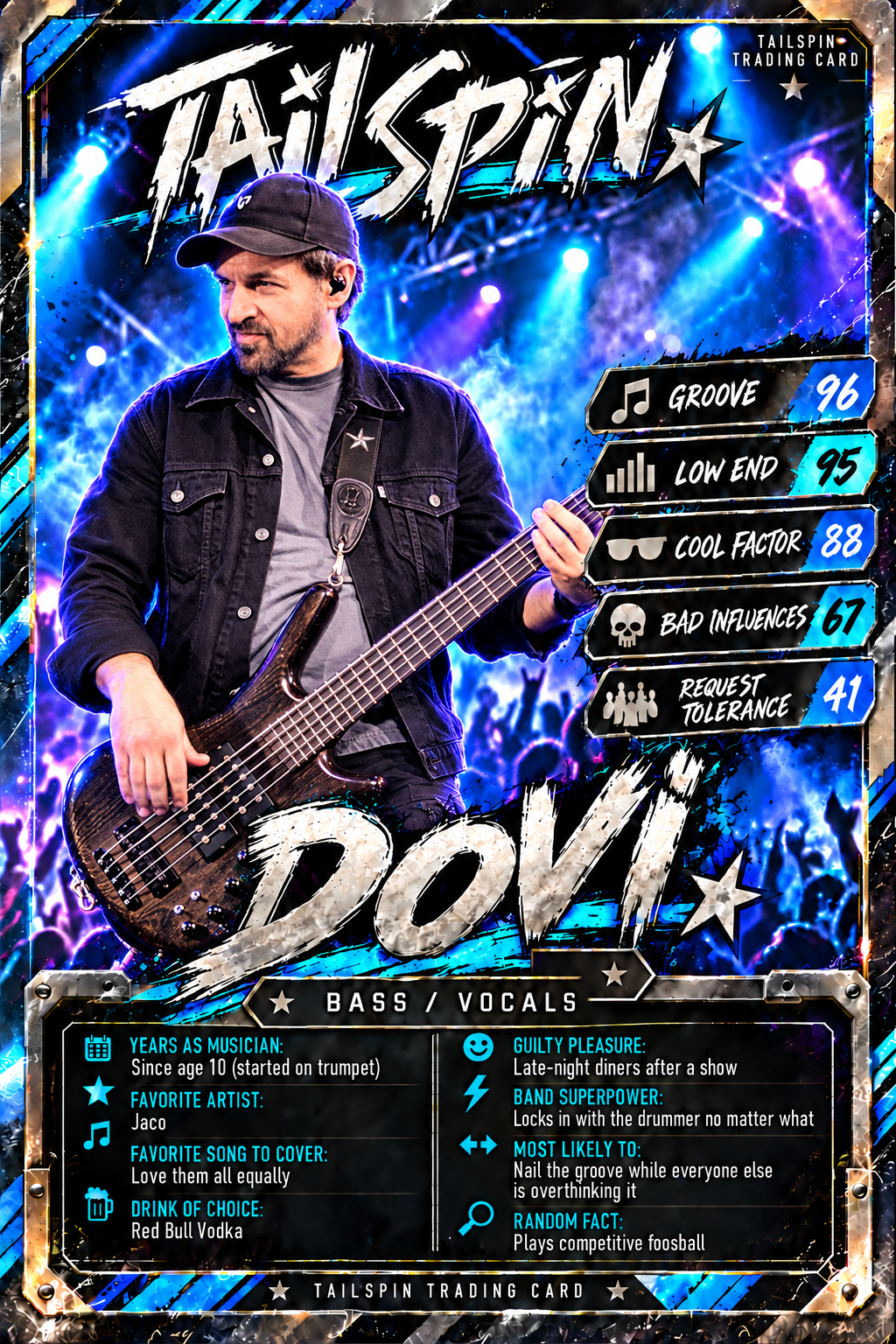
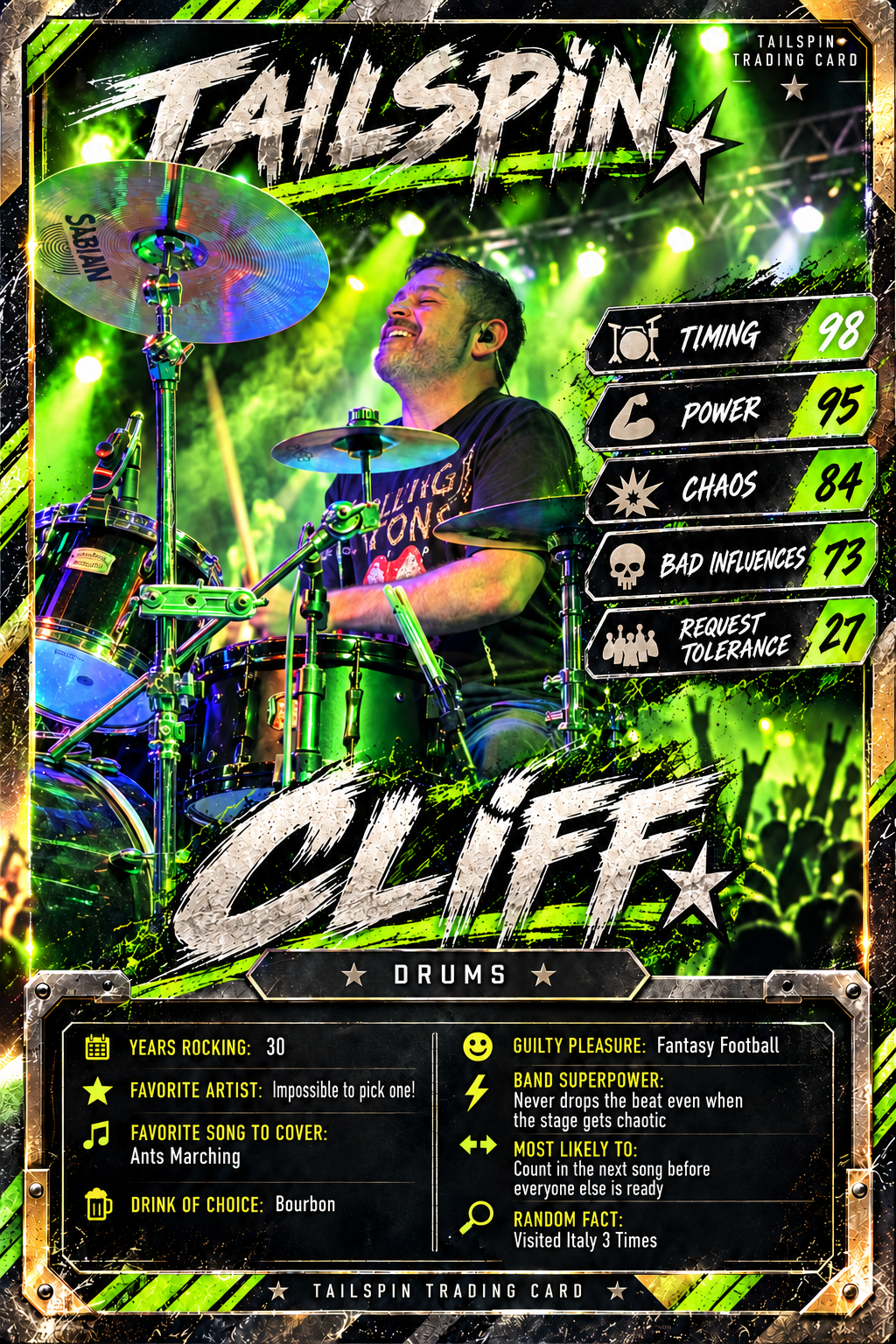
Tailspin brings a high-energy cover-band format built around hits from the 2000s, 2010s, and today. The band’s approved performance approach includes creative mashups, smooth song transitions, and concert-style sound and lighting.
For a planner or venue manager, that combination is worth discussing because it connects the musical flow with the visual presentation. Familiar songs give guests an easy entry point, while thoughtful transitions and a concert-style atmosphere help the performance feel like a focused part of the event rather than a collection of unrelated songs.
The best fit still depends on your room, schedule, audience, and venue requirements. A good conversation should cover those specifics before anyone makes assumptions about production.
A simple final checklist
Before booking a live band, make sure you can answer these questions:
- Will the band’s sound and presentation fit the room and audience?
- Have you discussed volume expectations and venue restrictions?
- Do performance videos show clear vocals, visible musicians, and consistent energy?
- Have you shared the event timeline and performance-area details?
- Do you understand how sound checks, speeches, breaks, and access will be coordinated?
- Has the band explained what information it needs from the venue or planner?
Production should make the live music easier to experience, not harder to plan. Ask specific questions, share accurate venue information, and look for a band that can explain its approach without turning the conversation into a technical maze.
Planning an event where the music needs to feel polished and energetic? Inquire about booking Tailspin and tell us about your room, schedule, and audience.